
Looking for ways to make money recycling?
Recycling helps the environment and can also provide a steady source of extra income. Many everyday items—aluminum cans, paper, cardboard, plastics, metals, electronics, and more—can be converted into cash if you know where to take them and how to prepare them for resale or reuse.
Some businesses and local recycling centers pay for materials because they can reuse or resell them. Recycling operations benefit by reducing raw material costs, and you benefit by turning waste into earnings. Best of all, recycling for profit often requires little or no startup capital—just time and consistent collection.
11 Best Ways To Make Money Recycling
If you want to earn extra cash from items you would otherwise discard, here are 11 practical and proven recycling opportunities to explore.
1. Aluminum cans
Aluminum cans are one of the most profitable and accessible recycling streams. Collect cans from home, work, friends, and local businesses. Store them until you have a large quantity, then take them to a recycling center that pays by weight. Typical rates vary by location and market price but often fall between $0.35 and $0.50 per pound. Crushing cans saves space and makes transport easier.
2. Paper and cardboard
Old newspapers, magazines, junk mail, and cardboard boxes can add up to meaningful earnings if you collect enough weight. Some recycling centers accept paper and cardboard and pay by the ton, so bulk collection is key. Additionally, platforms and services that resell used boxes can provide another route for monetizing cardboard, and craft sellers sometimes buy paper tubes or specialty paper items for projects.
3. Plastic bottles
Plastic recycling can be profitable in states or regions with bottle deposit programs. In those areas you can redeem bottles for a per-item fee—commonly between 5 and 15 cents each. When there’s no deposit program, some recycling centers still pay by weight. To maximize value, rinse, sort by type, and remove caps or labels if required by the center.
4. Scrap metal
Metals vary widely in value. Separate ferrous metals (those containing iron or steel) from nonferrous metals (copper, brass, aluminum, stainless steel). Nonferrous metals typically command higher prices. Clean metals, remove nonmetal parts, and keep materials sorted to get the best rates at local scrap yards. Check current market prices before you sell to time larger drops.
5. Glass bottles and jars
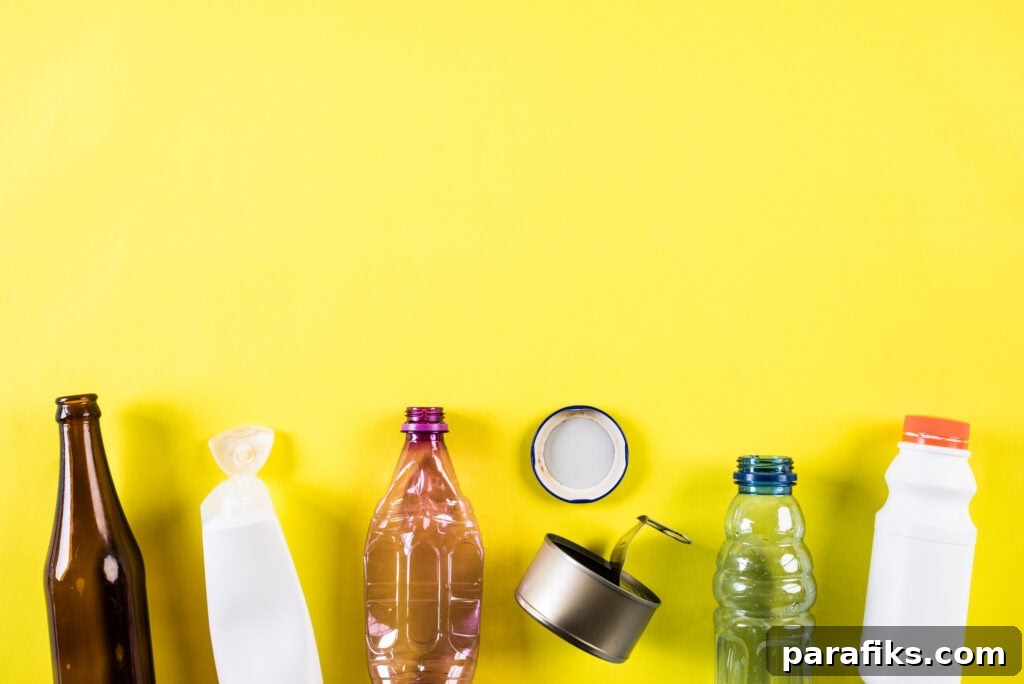
Glass is accepted by many recycling centers and redemption programs. Some centers pay per bottle or by weight; typical per-bottle rates range from a few cents up to around $0.15. Collect glass from neighbors, parties, or local cafes (with permission), rinse containers, and separate by color if required to increase acceptability and value.
6. Electronics (e-waste)
Old phones, tablets, laptops, and gaming consoles often retain resale value. Many trade-in and buyback services give instant quotes online and pay for working or repairable devices. For nonworking units, specialized recyclers extract valuable metals and components. Preparing accurate device information and protecting any personal data before selling or recycling is essential.
7. Wine corks
Natural wine corks are collected by craft makers and eco-product manufacturers. Local wine shops, wineries, and organized cork recycling programs will sometimes accept large donations. You can also sell corks to crafters or small businesses that upcycle them into products. Ensure corks are clean and dry before offering them for sale or pickup.
8. Used cooking oil
Used cooking oil has commercial uses in biodiesel production, soap making, and industrial lubricants. Collect oil in suitable containers and contact local biofuel companies or oil recycling services that accept household quantities. Proper storage and labeling make pickup or drop-off safer and more likely to be accepted.
9. Old books
Textbooks, collectible editions, and out-of-print books often sell well online. Use ISBNs or barcodes to get price quotes from book buyback services and marketplaces. Local used bookstores may offer cash or store credit, and yard sales can move large volumes quickly. Condition and demand affect book value, so sort and research titles before listing them.
10. Ink cartridges
Unused or lightly used ink cartridges can be sold to recycling programs, office supply stores, or online marketplaces. Many stores offer store credit or discounts in exchange for old cartridges, and some manufacturers pay for mail-in returns. Prices vary, but cartridges can fetch between $0.12 and $0.60 each depending on brand and model.
11. Car batteries
Auto shops and recycling centers regularly accept lead-acid car batteries and often pay a modest fee or offer store credit—commonly around $10 per battery. These batteries contain recyclable lead and plastic, and many retailers will accept them when you replace a battery in your vehicle.
Where To Sell Recyclables
Recyclable materials can be sold to a range of buyers depending on volume and item type. The main options include local recycling centers and scrap yards, online marketplaces, and specialized companies that handle specific waste streams.
Local recycling centers
Local centers are ideal for aluminum, glass, and some plastics and paper. They typically pay by weight and accept bulk deliveries, so collecting consistently will increase earnings.
Online marketplaces
Platforms that let you list items for resale—such as general marketplaces and niche craft or electronics sites—work well for unique or higher-value goods like books, electronics, corks, and specialty craft supplies. Selling directly to consumers often yields higher returns than bulk recycling.
Specialized companies
Certain firms specialize in electronics trade-ins, biofuel feedstock, cartridge buybacks, and automotive parts. Search for reputable local or national services for your item type and follow their preparation guidelines to ensure acceptance and best payment.
Even if a recycler doesn’t pay for a particular item, donating or dropping it off for proper disposal is still environmentally valuable.
Frequently Asked Questions
Here are common questions about earning money through recycling and concise answers to help you get started.
What is the most profitable recycling?
Materials like aluminum, copper, and certain nonferrous metals typically offer the highest returns because of strong demand and efficient recycling processes. Electronics with valuable components can also be profitable when sold through trade-in programs or to specialized recyclers.
How can recycling make you money?
Collect and sort recyclable materials, then sell or redeem them at centers that pay by weight or per item. Use online buyback services for electronics and books, and take advantage of deposit-return programs where available.
How profitable is waste recycling?
Profitability varies by material type, market conditions, and collection volume. Recycling typically won’t replace a full-time income for most people, but it can produce meaningful supplemental earnings, reduce household waste, and support sustainable habits.
How to make money recycling plastic bottles?
Collect large quantities, rinse and sort bottles, and take them to a facility that pays for plastics or to a redemption center if your state has a bottle deposit program. Follow local preparation rules—such as removing caps or flattening bottles—so they qualify for payment.
How many plastic bottles do you need to make $1,000?
That depends on the redemption rate. At $0.10 per bottle, you would need 10,000 bottles to reach $1,000. Rates and feasibility vary, so factor in collection logistics and travel time when planning large-scale efforts.
Final Tips: How To Make Money Recycling
Start by identifying which materials are most common in your home and community. Build relationships with local recycling centers, learn their acceptance and payment policies, and collect consistently to maximize volume. Keep items clean and sorted to meet buyer requirements and increase value. Combining online sales for higher-value items with local drop-offs for bulk materials creates a balanced approach that boosts earnings while reducing waste.
If you’re motivated to earn extra income and reduce landfill waste, recycling offers numerous practical paths—many of which you can begin today with items you already have.