Do you want to learn how to start a vending machine business?
Recently, there has been increased interest in vending machine side hustles because they can generate relatively passive income. I researched the topic and spoke with an experienced operator to share practical guidance for newcomers.
Lakinya Francis, a vending entrepreneur from Miami, earns between $7,000 and $10,000 a month from vending machines. I interviewed Lakinya to learn how to start a vending machine business and what to expect.
Common questions this interview addresses:
- Is there room for new people in the vending machine business?
- How much does the average vending machine make per day or month?
- Which types of vending machines are most profitable?
- How much does a vending machine cost?
- How many hours per week does it take to run a vending machine business?
- What are the downsides of owning a vending machine business?
This interview will help you understand the fundamentals and may inspire a new way to earn extra income.
Related content:
- How To Start a Blog — Free Course
- How I Make Money Selling Printables on Etsy
- 12 Paid Survey Sites to Make $50+ Per Month
- 17 Best Online Jobs to Make $1,000+ a Month
- Are Laundromats Profitable? How Much Do Laundromats Make?
- How To Make $7,000 a Month
How to start a vending machine business
Please give us a little background on yourself and how you got started.
Hi, I’m Lakinya from Miami, Florida. I studied at the University of South Florida in Tampa and, after graduating, worked as a middle and high school teacher for four years. I later took a more stable job with the state government, which led me to seek a side business to supplement my income.
In 2016 I researched side hustles that were affordable, realistic to start, and wouldn’t conflict with my day job. Vending machines stood out, even though they weren’t a widely discussed opportunity at the time. I made a decision to buy machines and learn by doing.
Starting without guidance meant I learned from mistakes, but I began with five used machines placed at a large tile manufacturer and a mechanic shop in downtown Miami. After two years I sold the machines along with the location contracts for $2,000 more than my purchase price.
After a brief pause, I noticed construction of a new entertainment district in my city — a complex that would include a movie theater, bowling alley, restaurants, and family attractions. I researched the project, contacted the project manager, and successfully pitched vending services. That deal led to eight machines at a high-traffic location; to manage costs I partnered with a family member who helps maintain the site.
That venue draws many teenagers and families on weekends, and those machines now generate roughly $7,000 to $10,000 a month. With vending, location is everything: the right placement and consistent foot traffic make the difference.
We’re now moving toward specialty vending. My brother, an avid fisherman, suggested placing live bait and tackle vending machines across Key West and other prime fishing spots. This specialty approach can create significant earning opportunities if you secure strong locations. My long-term goal is to shift from snacks and drinks toward live bait and tackle vending in South Florida.
What do you like about having a vending machine business?
I consider vending machines a relatively safe investment because people will always need food and beverages. While not entirely passive, a machine functions like an employee: it sells without requiring a caretaker on site, avoiding many challenges associated with managing staff.
Vending is a large and growing industry, especially as machines adopt automated and contactless payment features that increase convenience and sales.
Is there room for new people to have a vending machine business?
Urban areas continue to expand with more schools, hotels, shopping centers, offices, and recreational facilities. With ongoing development and new high-traffic spaces, there is ample opportunity for newcomers who find and secure strong locations.
How much does the average vending machine make in a day? How much does a vending machine make a month?
Earnings depend heavily on foot traffic. For a machine placed in a location with solid traffic, the average monthly revenue typically ranges from $500 to $600. Some exceptional locations can produce that in a week. The key factor is consistent, sufficient foot traffic.
How profitable is owning a vending machine?
With the right products and prime locations, vending machines can generate thousands of dollars per month. Profitability hinges on placement, product selection, pricing, and efficient restocking and maintenance.
What type of vending machines make the most money?
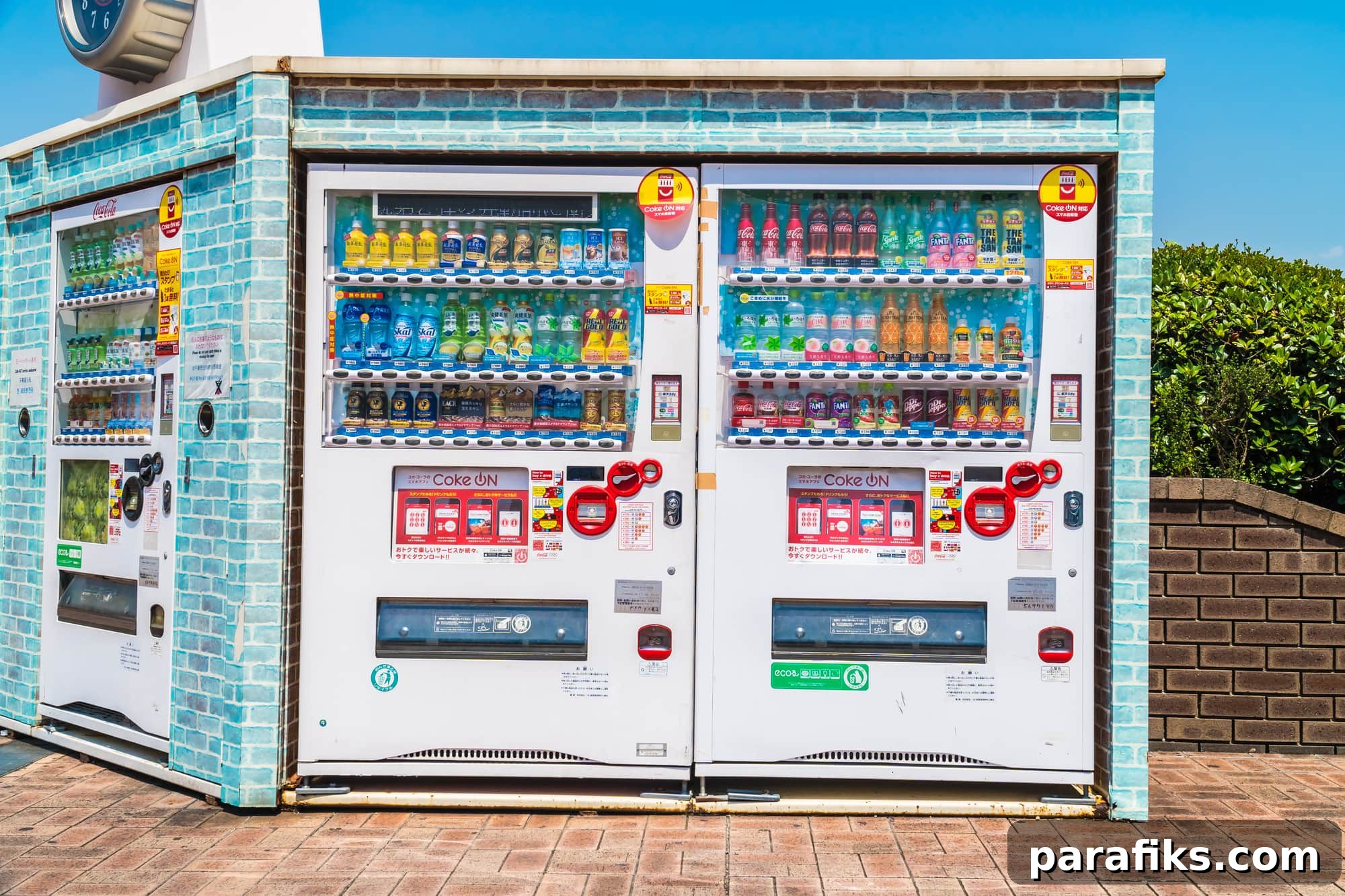
Traditional snack and drink machines remain profitable, but specialty vending can produce even higher returns. Examples include:
- Beauty supply vending machines in hotels or busy tourist areas selling items like flat irons, hairbrushes, extensions, and styling products. In high-demand tourist locations, a single machine could generate around $1,500 a month or more.
- Campus dormitory machines stocked with toiletries, grooming items, and convenience products for students without cars.
- Other specialty niches such as laundry supplies, live bait and tackle, CBD products, and school supplies—each can be highly profitable when placed in the right environment.
How much does the average vending machine cost? Where do you buy a vending machine?
Prices vary based on whether you buy refurbished or new, and the features you need. Basic used snack machines with a credit card reader can be purchased for around $2,000. Adding branding (logos or custom colors) might add about $500. A new machine with modern features and a card reader typically costs around $5,000.
Where is the best place to put vending machines?
The best locations are simply where people gather: office buildings, apartment complexes, laundromats, churches, summer camps, youth clubs, schools, medical offices, and break rooms in businesses with 50 or more employees. High and consistent foot traffic is the single most important factor.
What is your typical work schedule? How many hours does it take each week to run a vending machine business?
Many vending operators run it as a side hustle alongside a 9-to-5 job. Maintenance can be managed in a few hours per week for a modest number of machines. For example, servicing five machines across two locations might take roughly two to three hours total, including travel and restocking.
When evaluating locations, consider hours of operation to ensure they align with your availability, or plan for assistance if you can’t access the location during your hours.
What are the negatives of owning a vending machine business?
Vending requires effort and planning. Challenges include:
- Time commitment for weekly restocking and troubleshooting.
- Underperforming locations that fail to meet revenue expectations, requiring relocation or replacement.
- Risk of vandalism or theft at some sites—insurance can mitigate these risks.
- Potential location fees or revenue sharing if owners request compensation or if sites charge rent (for example, malls).
- Payback for your initial investment can take time—realistically six months to a year for many setups.
Despite these cons, with proper preparation and the right locations, vending can be a successful and scalable business.
Can you list the steps needed to get started with a vending machine business?
Key steps to start:
- Decide which type of vending you want to pursue (snacks, drinks, specialty items).
- Research and secure locations that match your chosen niche and offer strong foot traffic.
- Select the specific products you will sell and determine reliable suppliers.
- Purchase or lease vending machines, considering whether you need credit card readers and custom branding.
- Plan logistics for stocking, maintenance, and cash management, and consider insurance and any required permits or business registrations.
Are there any other tips for someone who wants to start a vending machine business?
Don’t wait for opportunity—create it. Vending can fit many lifestyles and budgets. Start by scouting potential high-traffic locations and validate demand before committing to machines or inventory. Test, learn, and be ready to pivot your product mix or location strategy based on performance.
Are you interested in learning how to start a vending machine business? Why or why not?