

One of the most common reasons people give for not traveling more is cost. The good news is that you don’t need a fortune to explore the world—it’s entirely possible to travel on a budget and still have an unforgettable time.
 Many people assume vacations require thousands of dollars or only suit high earners, but that is simply not true. Plenty of travelers make smart choices to reduce costs—some travel on low incomes, some travel cheaply or even for free—and they still have fantastic experiences. With a little planning, you can too.
Traveling on a budget reduces stress about money and helps you enjoy your trip more. Below are practical, actionable strategies to help you travel more affordably without sacrificing enjoyment.
How to travel on a budget
Stay with locals and couchsurf.
Couchsurfing and staying with locals can eliminate accommodation costs and offer a chance to meet friendly people who can show you authentic local life. Hosts may offer a couch, a spare room, or other arrangements, usually agreed upon in advance.
Use hostels for affordable accommodation.
Hostels are a staple of budget travel. In many destinations you can find beds for under $20 a night. Hostels are not just cheap—they’re social, often centrally located, and a good option for solo travelers and anyone looking to save.
People of all ages use hostels and couchsurfing. For example, travelers in their 60s are happily using these options to tour the world while keeping costs low.
Be flexible with your flights.
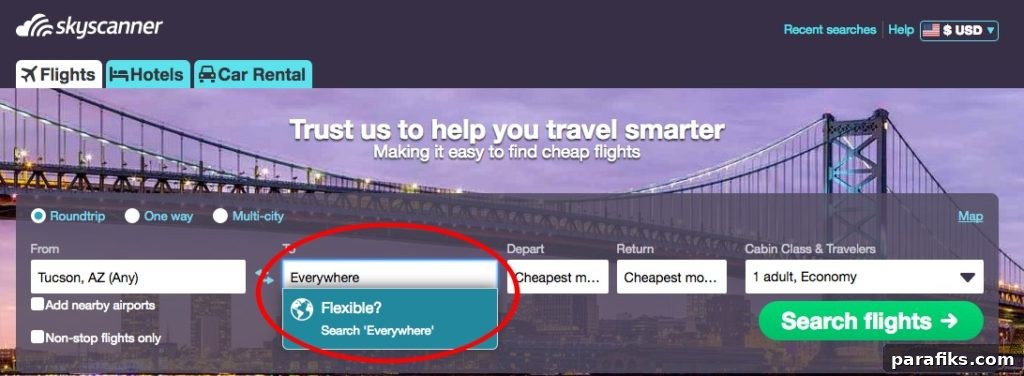
Flexible dates and destinations are one of the biggest levers for saving on airfare. Tools like Skyscanner allow you to search “Everywhere” as a destination and view the cheapest months to fly. Searching by whole month or the cheapest month can reveal fantastic deals—sometimes even surprisingly low roundtrips to faraway places.
Join travel deal groups.
Travel-focused social groups, especially on Facebook, are excellent sources for flash sales and limited-time deals. Members often post discounted fares and last-minute offers that can shave hundreds off your trip cost. Seek out active, budget-oriented groups to stay informed.
Travel in shoulder or off-season.
Visiting a destination in the mid-season or off-season usually means lower prices, fewer crowds, and still-pleasant weather. Businesses lower rates to attract visitors during quieter periods, which can translate into significant savings on hotels, tours, and activities.
Earn money while traveling.
If you plan longer trips, consider ways to earn income on the road. Remote work, freelancing, running a website, teaching English, housesitting, or seasonal jobs are all viable options to help fund travel. Combining work and travel can extend your trips and reduce the need to dip into savings.
Work in the travel industry for perks.
Jobs with airlines, hotels, and travel companies can come with travel benefits like discounted or free flights and upgrades. If you’re pursuing a career change and enjoy travel, industry roles can offer both income and substantial travel perks.
Use credit card rewards responsibly.
When used responsibly, credit card sign-up bonuses and reward programs can cover flights, accommodation, or experiences. If you always pay your balance in full and avoid interest, rewards cards can be a powerful tool to travel cheaply. Points can be redeemed for flights, hotel stays, or cash back—helping you stretch your travel budget further.
Consider budget airlines.
Low-cost carriers like Spirit, Frontier, and similar airlines often offer dramatically cheaper fares than legacy carriers. While budget airlines may charge for extras, for short hops or when you travel light they can provide unbeatable savings.
Housesit for free accommodation.
Housesitting sites connect homeowners with trusted sitters who care for the home and pets in exchange for free lodging. Housesitting can be a great way to stay in a destination affordably, and reliable sitters with strong reviews are always in demand.
Choose inexpensive destinations.
Some countries and cities are simply much cheaper for travelers. Research destinations where your money stretches further—affordable food, transport, and lodging can make a big difference to the overall cost of a trip.
Use short-term rentals like Airbnb.
Short-term rentals can be more economical than hotels, especially for groups or longer stays. Rentals often include kitchens and extra space—helpful for saving by cooking meals and splitting costs among travelers.
Join hotel loyalty programs.
Signing up for free hotel loyalty programs earns points toward future free nights, and can unlock perks like upgrades, early check-in, and late checkout. Even when booking through discount sites, register for the hotel’s program to collect rewards.
Be flexible with accommodation dates.
Tweaking your travel dates can lead to large savings. Weekday stays and avoiding peak periods often lower nightly rates. A small date shift can turn a $300-per-night booking into a much cheaper option for the exact same room.
Ask for discounts.
Always ask whether a discount or special rate is available—especially for last-minute bookings. The worst answer is “no”; the best is a reduced rate that saves you money.
Find cheaper local transport options.
Use local rideshare services, public transit, bike rentals, or walk when possible. Rideshares are often cheaper than taxis, and public transport or shared rides will stretch your travel budget.
Hitchhike selectively and safely.
Hitchhiking can reduce transport costs in regions where it’s common and safe, such as certain hiking areas. Only consider this if you understand local norms and prioritize personal safety.
Use student or other discount IDs.
If you qualify for student, youth, senior, or other discounts, use them. Discounted entry fees, transportation fares, and attraction tickets add up over a trip.
Eat like a local and cook some meals.
Dining where locals eat is often cheaper and more authentic than tourist-focused restaurants. Buying groceries and preparing some meals where you stay can significantly reduce food expenses while still allowing for special meals out.
These budget strategies make travel more achievable and enjoyable. With a bit of flexibility, research, and creativity, you can see more of the world without overspending. What budget travel tips have worked best for you?