

Are you thinking about buying or selling an online business and want an honest Flippa review?
I’ve personally purchased one website and sold three, so I understand the potential and pitfalls of online business marketplaces. Flippa is one of the best-known platforms for buying and selling websites, e-commerce stores, mobile apps, domain names, SaaS products, and even YouTube channels.
Flippa acts as a marketplace connecting buyers and sellers, facilitating hundreds or thousands of transactions each month. You’ll find everything from small starter blogs to large, established e-commerce businesses. While Flippa can offer great opportunities, listings vary in quality and accuracy, so you must do careful research before completing any transaction.
Flippa Review
Below is a comprehensive Flippa review covering how the platform works for buyers and sellers, fees, safety tips, and practical advice from my experience.
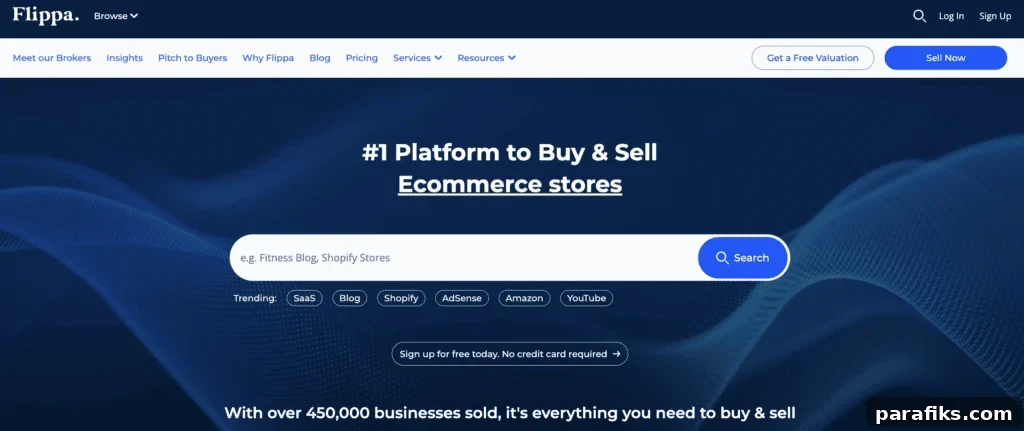
What Is Flippa?
Flippa is a marketplace for buying and selling digital businesses—essentially an eBay for online assets. Sellers list their properties and provide data about traffic, revenue, and operations. Buyers can browse listings, ask questions, and make offers or bids. Flippa offers tools like verification badges and escrow to help protect both parties during a transaction.
Types of online businesses on Flippa
On Flippa you can find a wide range of digital properties, including:
- Websites and blogs (niche content sites, authority blogs, and content-driven platforms)
- E-commerce stores (Shopify, Amazon storefronts, and other online shops)
- Mobile apps for iOS and Android
- Domain names
- SaaS businesses (subscription-based software products)
Prices vary widely—from a few hundred dollars for starter sites to millions for large, profitable businesses—making Flippa suitable for buyers with different budgets and goals.
Buying a Business on Flippa
Buying on Flippa can be a smart shortcut to owning an income-generating asset, but it requires diligence. A good acquisition can provide immediate revenue, an established audience, and a proven model. However, not every listing is a good deal—some may be overstated, poorly documented, or risky.
Why buy a website?
Buying an existing site saves the time and uncertainty of starting from scratch. Key advantages include:
- Immediate income potential
- Existing traffic and customer base
- Established systems and monetization methods
Many buyers improve acquired sites through design updates, SEO, new monetization channels, or better marketing, increasing revenue faster than starting a new project.
How to buy a business on Flippa
The buying process is straightforward but should be handled carefully:
- Create a Flippa account.
- Search for listings that match your niche, budget, and goals.
- Carefully review each listing and the supporting documentation.
- Ask detailed questions to the seller about traffic, revenue, operations, and expenses.
- Place a bid or make an offer.
- If you win, complete payment using an escrow service.
- Transfer assets and control, ensuring all credentials and rights are handed over.
Take your time with each step—buying a business is a major commitment and often the difference between a successful acquisition and a costly mistake.
How Flippa works for buyers
Flippa provides tools to evaluate listings, including verified traffic, revenue proofs, seller ratings, and site age details. These can be useful, but always validate the data independently—don’t rely solely on screenshots or seller claims.
Due diligence for buyers
Due diligence is essential. Key items to verify include:
- Traffic sources and trends—review Google Analytics or other verified analytics.
- Revenue verification—request bank statements, PayPal reports, or merchant processor records.
- SEO and backlinks—use third-party tools to check rankings and backlink quality.
- Content quality and originality—scan for duplicates or scraped content.
- Technical health—check site speed, hosting, CMS version, and plugin status.
Flippa offers paid reports like a “Red Flag Report” that can highlight potential issues, but you should still perform your own checks and consider hiring an expert for high-value purchases.
The Selling Process
Selling a website on Flippa can monetize your hard work and potentially deliver a strong payout. Effective preparation and honest documentation tend to attract more buyers and better offers.
Why sell a website?
Reasons to sell include funding a new project, realizing gains, or exiting a business you’ve grown as far as you want. Websites commonly sell for multiples of monthly profit; many transactions fall between 20x and 36x monthly earnings, though actual multiples vary by niche, growth potential, and stability.
How to sell a business on Flippa
To sell on Flippa, create a listing with detailed financials, traffic data, and operational information. Flippa charges listing fees and applies a success fee after a sale. You can use auctions, set a buy-now price, or accept offers; added listing features can increase visibility but cost more.
Preparing your business for sale
Make your listing attractive by cleaning up your financial records, fixing broken links and technical issues, and documenting operations and growth opportunities. Highlight unique selling points like loyal audiences, recurring revenue, or proprietary products.
Flippa’s Fees and Payment
Flippa charges upfront listing fees and a tiered success fee when a sale completes. Fees help maintain listing quality and support platform services like escrow and verification.
Listing fees
Typical starting listing fees (subject to change) include:
- Domains: starting fee
- Websites and apps: starting fee
- Established businesses: higher starting fee
Optional add-ons such as featured placement or boosted visibility are available for an additional cost.
Success fees for sales
Flippa charges a tiered success fee, which decreases as sale price increases. For smaller sales the percentage is higher; for very large deals the fee percentage drops. This fee is deducted when the sale completes.
How Flippa pays you when selling a site
Flippa uses escrow to protect both buyer and seller. The buyer deposits funds into escrow, assets are transferred, the buyer verifies the purchase, and the escrow provider releases payment to the seller, after deducting Flippa’s fee. This process reduces risk and ensures a fair exchange.
Flippa Scams
While Flippa hosts many legitimate listings, some scams can occur. Common issues include doctored revenue screenshots, inflated traffic using bots, and listings with plagiarized content. These risks mean buyers must be vigilant.
Common Flippa scams
Watch for fake income screenshots, manipulated analytics, purchased or automated traffic, and sites built with copied or stolen content. Any of these can lead to a poor investment or legal problems after purchase.
How to stay safe on Flippa
To reduce risk, follow these practical steps:
- Always request raw data—Google Analytics access, merchant statements, and bank records rather than screenshots.
- Validate traffic and SEO metrics with independent tools.
- Check content originality with plagiarism checkers.
- Review the seller’s history and reputation on Flippa.
- Consider hiring a specialist or broker for high-value purchases.
- Use escrow services for payments and transfers.
- Ask lots of detailed questions and pause if answers are evasive.
Flippa Pros and Cons
Here’s a concise overview of Flippa’s strengths and weaknesses based on market presence and user experience.
Pros of Flippa
- Large buyer pool increases exposure and chances to sell quickly.
- Wide variety of listings across niches and price ranges—suitable for beginners and experienced buyers.
Cons of Flippa
- Fees can reduce net proceeds—smaller sales incur a higher percentage fee.
- Some fraudulent or inflated listings exist, so due diligence is essential.
Frequently Asked Questions
Common questions about Flippa and quick answers:
Is Flippa reputable?
Yes—Flippa has been operating since 2009 and is widely used. It’s a legitimate marketplace but requires careful vetting of individual listings.
Is it safe to sell on Flippa?
Selling can be safe if you use escrow, provide honest documentation, and follow Flippa’s recommended processes.
Is it safe to buy on Flippa?
Buying can be safe with sufficient due diligence: verify analytics and finances, inspect content originality, and use escrow for payments.
What should I check to ensure a website is legitimate?
Verify traffic data, income proof, the seller’s reputation, and ask in-depth operational questions. If anything feels off, pause and investigate further.
How much does Flippa take from a sale?
Flippa applies a tiered success fee. Smaller sales have higher percentage fees; the fee percentage decreases as sale value increases. Always confirm current fee schedules on the platform before listing.
How long does it take to sell on Flippa?
Time to sale varies by price and demand. Some sites sell in days; others take weeks or months. Smaller listings often sell faster; larger, higher-priced businesses typically take longer to find the right buyer.
What are some Flippa alternatives?
Other marketplaces and brokers exist for buying and selling online businesses, including specialized brokers that focus on vetted, higher-value transactions. Choose the platform that best fits your budget, niche, and risk tolerance.
Flippa Review – Summary
Flippa is a legitimate and established marketplace for digital assets, offering a wide range of listings and strong market exposure. It’s suitable for buyers and sellers across many price points. However, success depends on careful due diligence, realistic expectations, and appropriate use of verification and escrow services.
From my experience buying and selling sites, Flippa can be a useful platform when you vet deals thoroughly and avoid shortcuts. If you plan to buy or sell, prepare your documentation, verify claims, and consider professional help for high-value transactions.
Are you interested in buying or selling online businesses?
Recommended reading:
- How To Turn $1,000 Into $10,000
- How A Mother-Daughter Team Made $66,000 From Selling Their Blog in 8 Days
- How I Successfully Built A $1,000,000+ Blog
- Best Blogging Courses & Resources That Helped Me Make $100,000+
- How To Start A Blog FREE Course