

Hello! Today I have an excellent article from Adam Olson. Adam explains how to get traffic to a new blog. Enjoy!
Figuring out where to start with SEO and web marketing can feel overwhelming, especially when you’re new to blogging.
This guide aims to ease that anxiety for new bloggers. If you’re experienced, stick around—you may still pick up a useful tip. The strategies below cover basic to more advanced techniques.
Related articles:
- The Ultimate Guide To Making Money Blogging – How I Earn Over $50,000 A Month Online
- How To Start a WordPress Blog on Bluehost
- How To Quit Your Job And Become A Full-Time Blogger
- How To Start a Blog Free Email Course
- What is a blog and how does it work?
Why Should You Listen To Me?
You may be wondering who I am and why I’m sharing these tips. I’m Adam Olson. I co-manage a personal finance blog called Wallet Squirrel with my friend Andrew Kraemer. We began working on niche websites several years ago, which led me to dive into SEO and web marketing.
After finishing my master’s degree in software development, I joined Wallet Squirrel in March 2017 and finally had the chance to apply everything I’d learned. In under nine months we grew the blog from near anonymity to a site that attracts organic visitors daily.
When I joined, we had about 1,000 monthly views. Within six months that climbed to over 10,000 views per month. Our Alexa ranking moved from around 4.5 million to roughly 325,000.
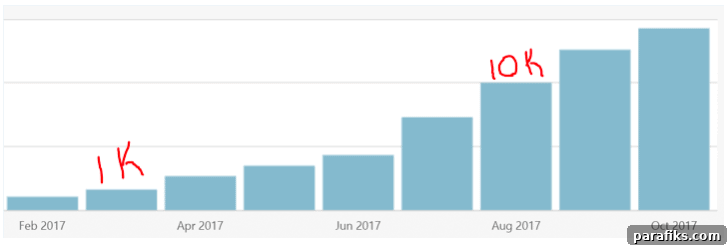
We’re still a small site, but we’ve maintained consistent growth—about 30% monthly—by applying solid SEO and marketing strategies. That’s why I want to teach you how to get traffic to a new blog.
How To Get Traffic To A New Blog – 6 Effective Techniques
Here are six practical SEO techniques that range from simple to more advanced. These are the actions that had the biggest impact for Wallet Squirrel or are easy wins you should implement immediately.
Performance
Site speed matters. A slow website frustrates visitors and hurts search rankings. We learned this the hard way: Wallet Squirrel loaded so slowly that even we avoided it. Google also de-prioritizes slow pages.
Fast performance improves both user experience and SEO—if your pages load quickly, visitors are more likely to stay and explore.
What to do: Test your site with tools like Google’s PageSpeed Insights to identify issues. Use caching and image optimization plugins (for WordPress, examples include WP Fastest Cache and TinyPNG). Keep plugins to a minimum and only use trusted tools that actually reduce load time.

SSL Certificate
An SSL certificate is a simple but essential step. With increasing concerns about security, users—and Google—prefer HTTPS sites. Google gives a ranking boost to secure sites.
What to do: Most hosts let you add SSL to your plan, and some include it free. If you’re comfortable with technical setup, free options like Let’s Encrypt exist. Otherwise use your host’s simpler install option.
Keywords
Keyword research is critical. For months we neglected it and saw minimal organic traffic. New blogs especially rely on organic search, so researching keywords before writing is essential.
Once we started researching and targeting keywords for every post, organic traffic surged—now roughly 45% of our traffic comes from search engines.
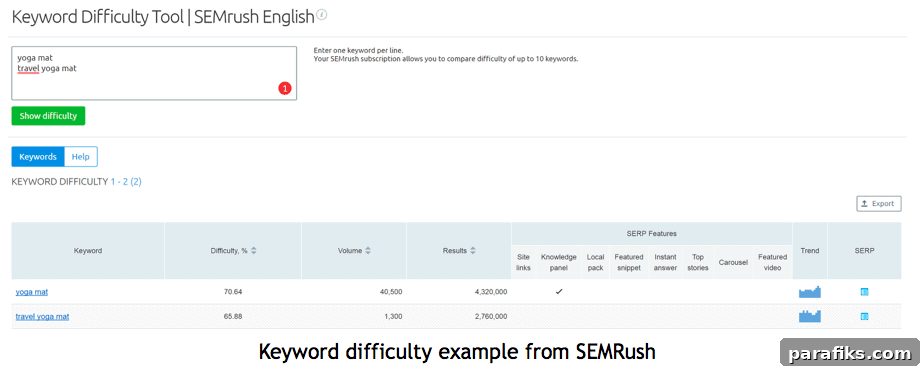
What to do: Use tools like Google Keyword Planner to find search volume and related phrases. Compare similar keywords and pick one that balances search volume and competition. Use a tool like SEMRush to check keyword difficulty—often a lower-volume, lower-competition phrase yields faster wins than targeting a very high-volume, highly competitive keyword.
Example: “Yoga mat” may have tens of thousands of monthly searches and heavy competition, while “travel yoga mat” might have fewer searches but is easier to rank for and attracts more targeted visitors.
Content
Content remains king. Consistent, high-quality content is the foundation of SEO. More well-written content increases your chances of ranking and being discovered.
We now aim for at least 1,000 words per article (1,500–2,000 is ideal) and publish on a consistent schedule—every Monday and Thursday.
What to do: Plan your topics and keywords at least a month ahead. Batch writing helps: dedicate a weekend to draft the month’s posts so you can refine them over time and focus on promotion.
Backlinks
Backlinks—links from other sites to yours—matter a lot. But avoid buying irrelevant links. Google’s algorithms can detect low-quality or paid links and may penalize sites that use them.
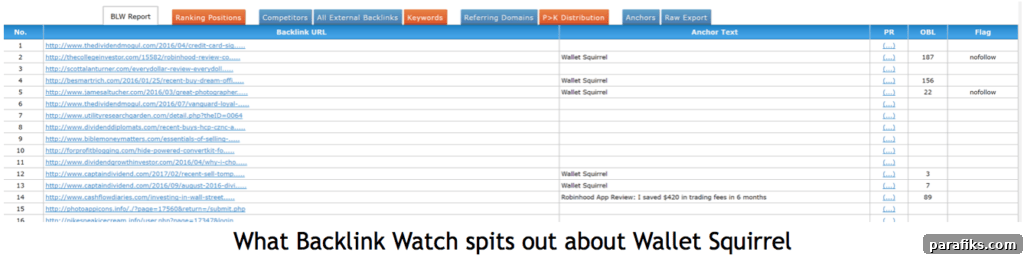
What to do: Search Google for your target keyword and pick a top-ranking competitor URL. Use a backlink checker to see which sites link to that competitor. Reach out to those site owners with a polite pitch explaining why your post could be a valuable resource and offer to exchange value where appropriate.
Avoid spammy comment links—these can harm your site. When reaching out, offer something useful to the other site to increase the likelihood of a link.
Indexing
Indexing is often overlooked. If you don’t notify search engines about a new post, it can take weeks for them to find it. You should prompt Google and Bing to crawl new content so it appears in search results sooner.
What to do: Set up Google Search Console and Bing Webmaster Tools for your site. Use the “Fetch as Google” (or “Submit URLs” on Bing) feature to request indexing. When fetching, include relevant internal links in the article so bots can discover and update those pages too.
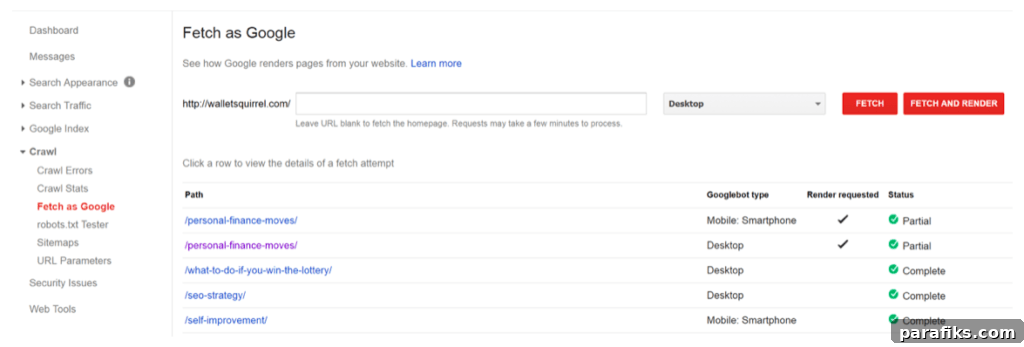
After fetching in Search Console, click “Request Indexing,” complete the verification prompt, and choose to crawl the URL and its direct links—this helps ensure internal links are crawled as well.
Web Marketing Strategy
With your SEO foundation set, it’s time to promote your content so people actually see it. Below are the marketing tactics we use at Wallet Squirrel.
Social Media
Social media has become our second-largest traffic source after organic search. It’s one of the easiest ways to let people know about new posts.
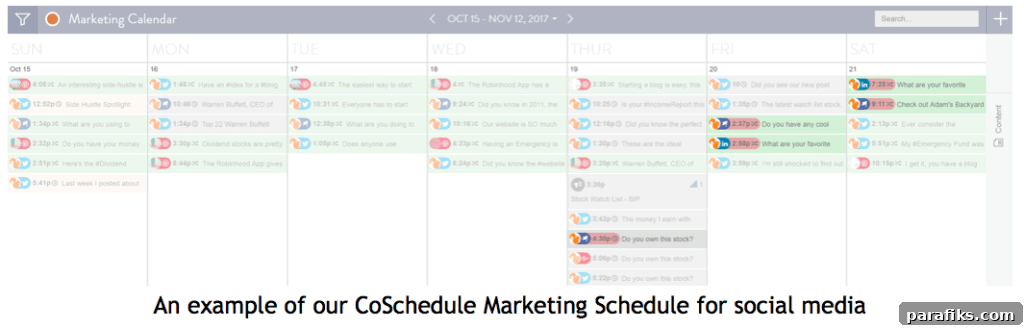
What to do: Use a social media scheduler to plan and automate posts. Tools like Buffer, MeetEdgar, and CoSchedule can help. Choose the tool that fits your workflow and get a posting schedule in place.
Other Social Platforms
Beyond mainstream social networks, community-driven platforms like Quora, Reddit, Slideshare, and others can drive traffic. They let you answer questions or repurpose posts to reach new audiences.
What to do: Participate on Quora by answering relevant questions and linking to posts when appropriate. Use Reddit and StumbleUpon carefully—follow community rules to avoid being flagged as spam. Convert popular posts into Slideshare presentations to reach different audiences.
Syndicating
Syndication places your article on larger publications—like Medium or industry sites—which exposes your content to their audience. Syndication can increase traffic if the platform links back to your original post.
What to do: Research publications relevant to your niche and learn their contributor and syndication policies. Always include a link back to the original article so Google recognizes it as syndicated content rather than duplicate content. Polish your syndicated posts—they should be your best work.
Tools like Grammarly can help catch grammar and clarity issues before you submit to high-profile sites.
Guest Posting
Guest posting involves writing original content for another blog to reach their audience and build credibility.
What to do: Identify blogs in your niche, prepare a concise pitch, and offer unique post ideas. Include links to your previous guest posts or portfolio to establish credibility. Follow up politely if you don’t hear back—timing and persistence often pay off.
Impressions
Making a positive impression on established bloggers can lead to shares and collaborations. Commenting on and sharing their content helps you get noticed.
What to do: Engage genuinely with influencers’ recent topics on social media or their blog. Offer helpful resources, data, or visuals that relate to their conversation—this can prompt them to share your content.
Infographics
Infographics are shareable visual summaries that amplify your brand each time they circulate. They’re an effective way to communicate and attract attention.
What to do: Use Pinterest for design inspiration, then create infographics in a design tool like Adobe Illustrator. If you lack design skills, hire a freelance designer affordably to create polished visuals.
What’s Next?
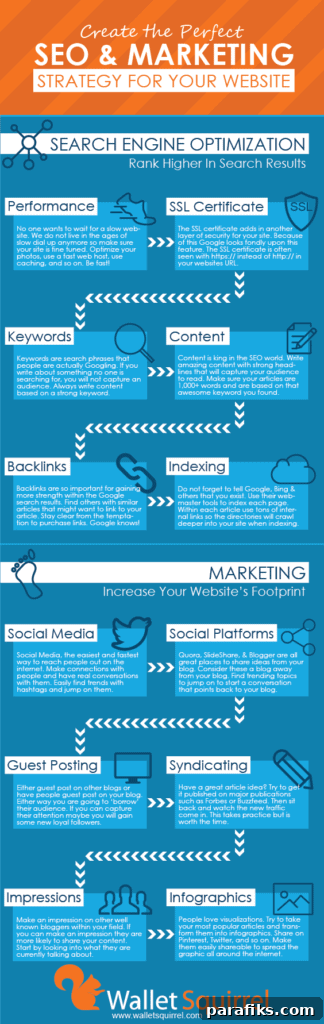
These six areas—performance, SSL, keywords, content, backlinks, and indexing—combined with a focused web marketing plan will give a new blog a strong foundation for growth. There are many more tactics beyond these, but this list offers practical and effective places to begin.
Are you using any of these strategies? Anything you’d add?