
Hey everyone! Today I have a fantastic guest post about increasing Pinterest traffic to your blog. Ling receives over 100,000 monthly pageviews from Pinterest and shares her best tips below, along with her new guide The Golden Compass To Pinterest Traffic. Enjoy her article.
—–
Hi everyone!
My name is Ling. I launched my first blog in the personal finance niche, Finsavvy Panda, and set up a Pinterest business account in November 2017 while searching for ways to leave my job.
By the summer of 2019 my first blog reached $18,000 in monthly affiliate income. I was thrilled but also anxious because all my earnings came from one site. That prompted me to start an anonymous lifestyle blog to diversify my income and test Pinterest strategies across niches.
Today I earn a net annual income of over $200,000, mostly thanks to Pinterest traffic.
Before using Pinterest as a business tool, I used it as a regular user to find inspiration for home décor, DIY projects, and recipes. I even flipped preloved furniture as a hobby to earn extra money. Binge-watching DIY content on Pinterest taught me sanding, painting, decoupage, and design techniques, which helped me earn $500 to $2,000 per month from flipping.
I eventually moved from active side incomes to blogging because blogs can generate more passive revenue after the initial work. I started my personal finance blog, then my lifestyle blog, and I’ve loved the results so far.
Related content:
- 10 Best Things I Did To Build A $5 Million Blog
- Best Blogging Courses & Resources That Helped Me Make $100,000+
- The Daily, Weekly and Monthly Habits for Building a $100,000 Blog
- How I Make $110,000 A Year As A Food Blogger
How To Get Consistent and Long-Lasting Traffic on Pinterest
After using Pinterest from both a consumer and business perspective for several years, I’ll share the strategies that consistently drive over 100,000 monthly pageviews to my blogs. Pinterest has sent me more than 10,000 pageviews in a single day on multiple occasions—these spikes are possible when your content and pins align with audience interest and search behavior.
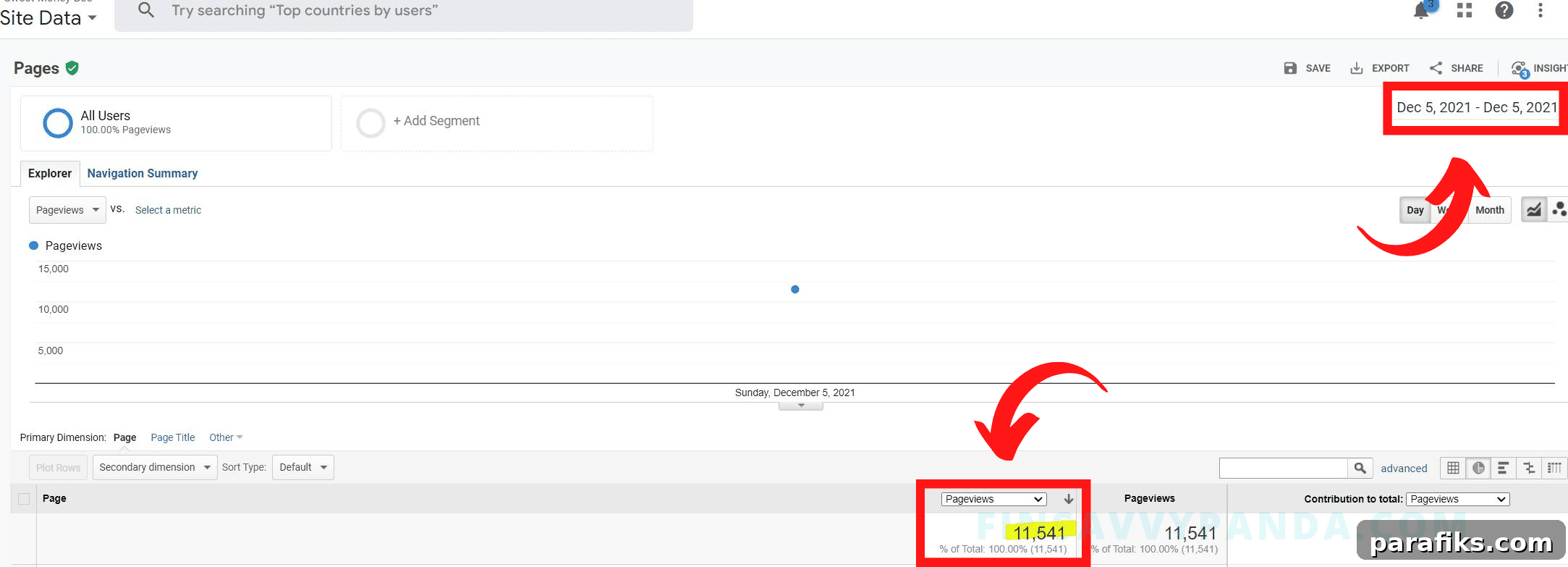
Some niches perform better on Pinterest, but almost any niche can drive significant traffic if you make your content Pinterest-friendly and understand how the platform works for users and businesses.
Because many readers have asked for Pinterest guidance, I created The Golden Compass To Pinterest Traffic, a step-by-step guide for bloggers and creators to build Pinterest content that ranks and drives steady, long-term traffic. The strategies in that guide helped both of my blogs grow and earn display ad revenue through Mediavine.
Below are seven actionable tips I use to grow Pinterest traffic.
1. Build a solid Pinterest foundation
Start with a Pinterest business account and set up the essentials before pinning blog posts. Commonly missed basics include:
- Claiming your website
- Enabling Rich Pins
- Optimizing your profile, boards, pin images, and pin descriptions
Randomly pinning content without this groundwork reduces your chances of success. A proper setup and strategy matter.
2. Pick a category and stick close to it
Choose a primary niche so you can create focused content that serves a specific audience. It’s fine to be a bit broader when starting out, but avoid unrelated posts that confuse readers and Pinterest’s categorization.
If you struggle to stay focused, spin varied topics so they relate to your niche. For example, a personal finance blogger can publish budget-friendly recipes or cheap travel guides; a travel blogger can create content about budgeting for trips. Narrowing your focus over time helps Pinterest understand and promote your content to the right audience.
3. Don’t ignore Pinterest SEO and keyword research
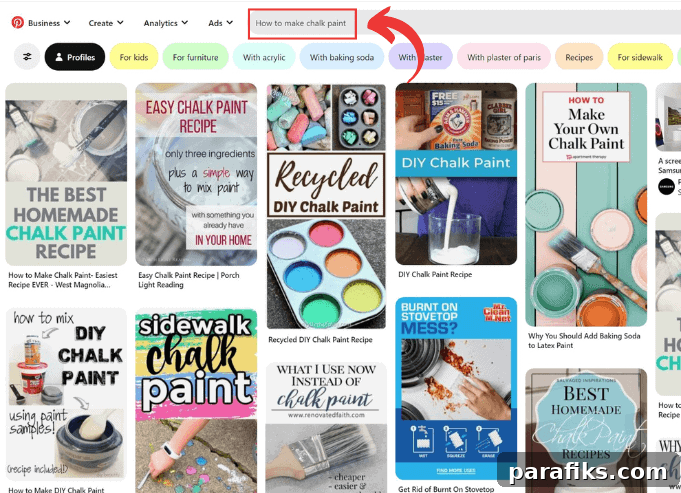
Pinterest is a visual search engine. SEO here means using keywords users actually type into the search bar so your pins and posts appear in relevant searches. When I used Pinterest as a user searching for DIY furniture tips, I typed queries like:
- How to prime and paint a coffee table
- How to make chalk paint
- DIY farmhouse rustic nightstand
- Black and white decoupage ideas for side tables
- Lion head drawer pulls
These keywords led me to bloggers who wrote about those topics—bloggers who likely did keyword research. Pinterest keyword targeting helps you capture readers looking for specific solutions. It also supports monetization through affiliate links and display ads when readers buy recommended products.
Learning Pinterest SEO and keyword research is essential for discoverability.
4. Generate blog post ideas from keyword research
Study what people search for on Pinterest and develop blog ideas around those phrases. One simple method is to type a seed phrase into the Pinterest search bar and note autocomplete suggestions and related tiles. For example, search “things to do in…” and you’ll see city-specific suggestions you can turn into individual posts:
- Things To Do in Chicago
- Things To Do in Nashville Tennessee
- Things To Do in London
- Things To Do in San Diego
- Things To Do in Boston
Use related tiles and long-tail modifiers like “for women” to target narrower audiences and create multiple posts from a single broad theme, increasing your chances of ranking for different queries.
5. Know your audience
“Knowing your audience” means more than picking a niche. It’s understanding who you’re writing to and what problems they want solved. For example, a male fitness blogger could target:
- Men who are overweight and need a simple plan to lose weight
- Average-built men who want to tone and build muscle
- Fit men looking to bulk up further
Each group needs different messaging. Use Google and Pinterest analytics to learn who engages with your content. The more intentional your content, the higher the quality of the traffic you attract.
6. Make your pin designs and titles click-worthy
Keyword-optimized pins improve ranking, but a compelling title and design drive clicks. Small changes in wording or layout can significantly affect click-through rates. For the same blog post, try multiple pin titles and test which versions attract the most clicks.
Examples of engaging headlines for a Pinterest traffic post include:
- How To Get Traffic on Pinterest in 20XX
- How To Get Traffic on Pinterest and Monetize Your Blog in 20XX
- The Ugly Truth About How Long It Takes To Get Traffic on Pinterest
- 10 Pinterest Traffic Tips That Nobody Tells You About
- 10 Reasons Why You’re Not Getting Any Traffic On Pinterest
Headlines that promise ease, immediacy, or specific results often perform better. Tailor your pin titles to the audience you want to attract—for example, “21 Easy Ways To Make An Extra $1,000 Right Now” targets readers seeking quick, actionable wins.

Design tools and templates can speed up pin creation, letting you produce many variations quickly for A/B testing and higher click rates.
Pin design and title examples
Searches like “meatless dinner ideas” show how targeted titles attract different audiences. Possible click-worthy titles include:
- 10 Insanely Delicious Meatless Recipes You Need To Try Now (general)
- 10 Budget-Friendly Meatless Meals Under $X (budget-conscious)
- 10 Insanely Good Meatless Recipes – Kids Approved! (families)
- 10 Fast and Easy Meatless Dinner Ideas – X Minutes and Under! (time-pressed cooks)
- 10 Healthy Vegetarian Dinner Recipes You’ll Want To Make Forever (health-conscious)
Each headline targets a specific reader segment, showing how wording influences who clicks.
7. Use Pinterest Trends to find trending topics
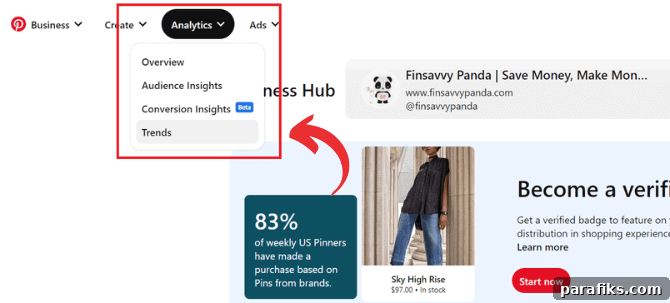
Pinterest Trends is a powerful tool to discover what’s gaining interest. In Pinterest Analytics under “Trends” you can explore categories and the “What’s surging this week” section to identify high-growth search topics. These insights help you write content that aligns with current demand or prepare evergreen posts ahead of seasonal peaks.
Trends are useful year-round; leveraging them helps you stay ahead and create content that resonates with your audience.
What to do when your Pinterest traffic is down
Every platform experiences fluctuations—Pinterest included. When traffic dips, focus on what you can control: consistently publish new posts, update older content, improve pin designs and descriptions, learn new tools, and engage with readers. You can’t control Pinterest’s algorithm, but you can keep creating quality content. Consistent publishing is a long-term strategy that pays off across platforms.
My guide, The Golden Compass To Pinterest Traffic, covers detailed steps to take when traffic falls, from profile and pin optimization to content strategy. These are the approaches that helped me build consistent, intentional traffic, allowing me to quit my job and earn a six-figure online income.
About the author: Ling Thich is the blogger behind Finsavvy Panda and Blog Savvy Panda. She also runs an anonymous lifestyle blog to test strategies. Ling enjoys teaching beginners how to start and grow blogs with Pinterest and likes staying active and exploring cities outside of work.
What questions do you have about Pinterest? Do you use Pinterest to grow your blog, and why or why not?