

Looking for remote work? Here’s how to find remote jobs so you can earn money and travel on your own terms.
Today I’d like to introduce you to Camille Attell. Camille travels full-time in an RV with her husband and cat and runs the site More Than A Wheelin’, which focuses on RV life, travel, and remote work.
Camille spent 20 years in corporate America while her husband Bryce worked two decades in finance. In 2016 they decided to leave their corporate careers and embrace life on the road after asking themselves, “Why are we doing this?” Since then they’ve driven over 20,000 miles, visited 27 states, and explored 32 national parks and monuments. Along the way Camille has worked as a Pinterest virtual assistant, course creator, blogger, project manager, and more.
Seeing how many others want to trade a traditional lifestyle for more freedom, Camille created a course called Remote Work 101 to help people design a plan to reach their goals. The course covers everything you need to know about working remotely, including:
- How to find jobs and companies that offer remote work
- How to create a resume tailored for remote roles
- How to communicate with potential employers
- How to manage internet access while traveling
- Ways to offset travel costs so you can earn more and be more effective on the road
Camille also offers a free training that explains how to find remote work within 90 days—sign up on her course page.
In her interview she explains:
- What remote jobs are
- How to earn money working remotely
- Typical pay ranges for remote roles
- Benefits and challenges of remote work
- How to spot and avoid work-from-home scams
Read the full interview below for practical guidance and consider Camille’s Remote Work 101 course to learn how to work, live, and travel wherever you choose.
Related content:
- How To Find A Remote Job
- Welcome To Paradise – We’re Living On A Sailboat!
- How This 34 Year Old Owns 7 Rental Homes
- How Kayla Earns $10K/Month From Home as a Virtual Assistant
- 12 Work From Home Jobs That Can Earn You $1,000+ Each Month
- 25 Best Travel Jobs
- Best Ways To Find Virtual Assistant Jobs
- 18 Realistic Ways To Get Paid To Travel The World
How to find remote work and remote jobs

1. Background — what makes you an expert?
I’ve had a varied career. I struggled in school but worked from age 14 in many roles: fast food worker, nanny, corporate trainer, and consultant. My early professional work focused on helping people transition off welfare into the workforce through resume writing and interview coaching. Later I earned a Master’s in counseling psychology and became a corporate trainer across several industries, teaching systems, sales, and career development. I helped build employee programs, job descriptions, and self-assessment tools and have always advocated for workers’ rights.
Now, I work and travel full-time in an RV with my husband Bryce and our cat Parker. I run More Than A Wheelin’ and the Remote Work School, where I teach people how to work remotely and design more flexible lives based on my career and nomadic experience.
2. What is a remote job?
A remote job is work you can do from anywhere—at home, on the road, in another country, or on a boat. Essentially, it’s location-independent. Some remote roles also offer flexible hours depending on the job and employer. Advances in technology have increased remote opportunities across many industries.
3. Can you make money while traveling or from home?
Absolutely. It’s common to earn a living remotely. Many people assume remote work isn’t real or sustainable, but it is. I earn income through freelance writing, creating training content, blogging and affiliate marketing, Pinterest virtual assistance, and coaching. Others make money freelancing, consulting, or building online businesses. Remote opportunities are more numerous than many realize.
4. What types of remote jobs exist?
There is a wide variety of remote jobs: writing, programming, social media management, online teaching, blogging, voice-over work, video editing, project management, web design, and more. I’ve compiled a list of top remote jobs for RVers that apply to anyone seeking location-independent work.
Choosing the right role depends on three things:
- Your skills and interests
- The income you need
- Your ability to find and land the job
While the internet offers many job sources, it can be overwhelming. A focused approach will speed your search.
5. Examples of remote job pay
Pay varies widely. I classify remote work into three levels:
- Working for others (employed)
- Working for yourself (freelancing)
- Owning a business
Salaries can range from entry-level hourly rates (e.g., $15/hour) to six-figure incomes working for companies. Freelancers set their rates and some earn $10,000–$30,000 per month depending on skill and clientele. Business ownership can be the most lucrative but also the riskiest and most work-intensive at the start.
6. Benefits of remote work
Remote work offers freedom, no commute, flexibility with hours, and the ability to work from multiple locations—important for travelers. It also benefits employers: when balanced with some in-person time, remote work can boost engagement and productivity.
7. Biggest challenges of remote work
Challenges include lack of structure, accountability, and in-person interaction. Not everyone thrives without a set routine or a supervising presence. I recommend trying remote work first on a smaller scale to see if it suits you. With strong habits and systems, most challenges can be managed.
8. How to get internet access for remote work
At home, use wired or Wi‑Fi connections and, if needed, a VPN for added security. While traveling, many rely on cellular hotspots from providers like Verizon or AT&T using multiple carriers can improve coverage. Signal boosters such as WeBoost help in weak-signal areas, and public Wi‑Fi at coffee shops or libraries can be useful backups.
9. How to find a remote job
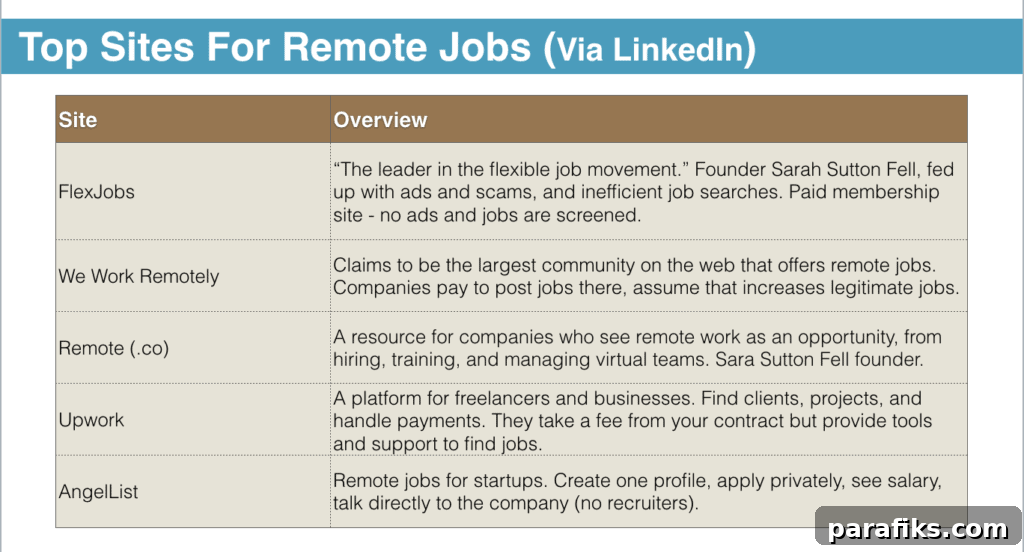
There are dozens of platforms for remote jobs, but searching them all can be overwhelming. LinkedIn lists top remote job sites, and job boards are useful, yet the most effective method is networking and word of mouth. Tell people what you do, share your skills, and ask for opportunities—many positions come through referrals.
10. Can you make your current position remote?
Often you can. Start by planting the idea with your manager, then gradually request remote days to demonstrate productivity. Build a case that remote work won’t harm results and may improve performance. I cover negotiation tactics and scripts in my course.
11. Steps to find and obtain a remote job
High-level steps:
- Clarify the kind of remote job you want: pay, hours, employment type.
- Explore making your current role remote if you like it.
- Establish a budget to determine the income you need.
- Inventory your skills and interests.
- Tailor your resume for remote roles with appropriate keywords.
- Network and tell people what you’re looking for.
- Optimize your LinkedIn and set job alerts on boards.
- Apply to positions that match your criteria.
- Practice remote interviewing skills.
- Once hired, be reliable and productive as a remote employee.
Trust and consistency help employers feel confident about remote hires and open more opportunities for others.
12. How to avoid remote job scams
Scams exist. Job sites like FlexJobs screen listings and charge a fee to reduce scams. Sites like Craigslist may have more risky listings. Tips to avoid scams:
- Legitimate jobs include company contact info and a website. Lack of verifiable information is a red flag.
- Research employers on review sites where possible.
- Never share personal or financial details like Social Security or credit card numbers upfront.
- Don’t purchase expensive equipment or make large investments for a job you don’t fully vet.
- Trust your instincts—if something feels off, research before proceeding.
13. Final tips for aspiring remote workers
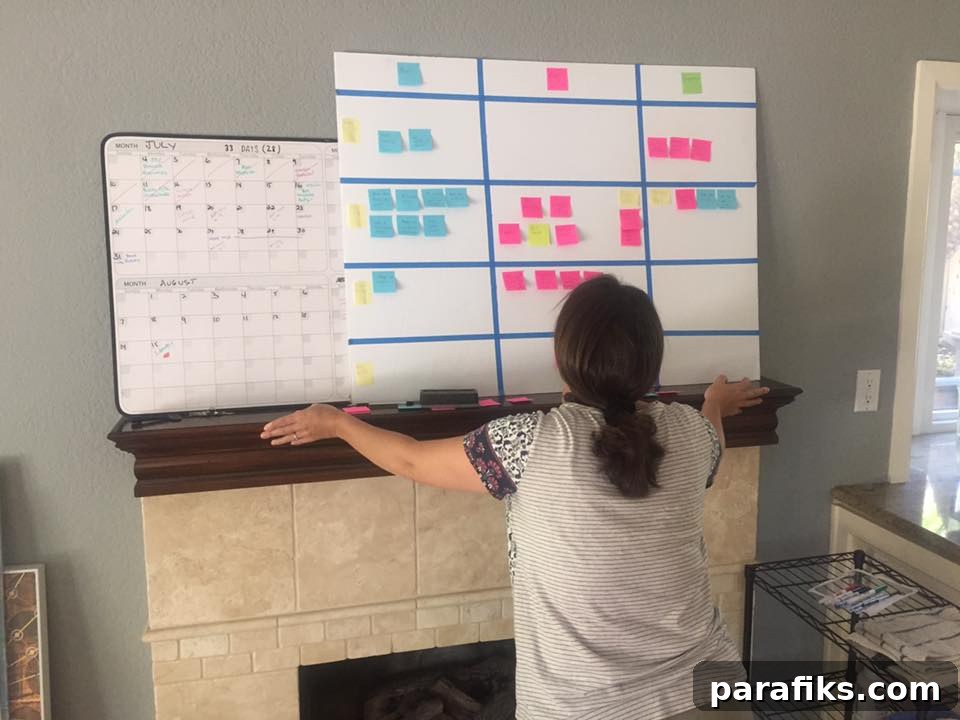
Pick a target date for your transition—six months, a year, or five years—and make a plan. Use planning tools such as whiteboards, sticky notes, Trello, or Asana to map tasks and timelines. Take action and stay aware of the evolving job market. Remote work opportunities continue to grow; with clarity and persistence you can find the right path for your life.
Learn more about Remote Work 101: Work, Live, and Travel Where You Want by visiting the course page.
Are you interested in remote work?