
When I had student loans, I learned how to become a mystery shopper to earn extra income. It didn’t make me rich, but it provided a steady side boost and allowed me to enjoy meals and receive products I would have purchased anyway.
Mystery shopping helped me pay off $40,000 in student loans in just seven months.
I first encountered mystery shopping while working in retail. Mystery shoppers would visit our store and later submit reports grading our customer service. I found it fascinating that people were paid to evaluate businesses, and soon after I learned how to become a mystery shopper myself.
As a part-time mystery shopper I typically earned $150 to $200 a month, plus free items and services like restaurant credits, makeup, and other products.
Recently many readers have asked, “What is mystery shopping?” and how I earned money through it. Since it’s been several years since I last covered this topic (my previous post was in 2012), I’m revisiting it to share my experience and practical steps to get started.
This article answers common questions about mystery shopping, including:
- How much can you make as a mystery shopper?
- Is mystery shopping legitimate?
- What does a mystery shopper do?
- How do people become secret shoppers?
If you’re unfamiliar with mystery shopping, this guide will explain how it works and how to find assignments.
Related topics on earning extra income are referenced in other articles, but this piece focuses on practical guidance for mystery shopping.
How to become a mystery shopper and find secret shopper jobs
What’s the catch with becoming a mystery shopper?
It can sound too good to be true, but mystery shopping is real work. You must follow instructions, keep receipts, complete surveys, and submit detailed reports about your experience. Businesses use these reports to improve service and training.
Not all companies are legitimate, so it’s important to choose reputable providers. My favorite and the one I used most often was Bestmark. They have a reliable platform and regularly post assignments.
Mystery shopping won’t make you wealthy or replace a full-time job for most people, but it’s a flexible side hustle that can generate extra cash, free products, and meals—helpful when you’re paying bills, saving, or working toward financial goals.
How is a mystery shopper paid? How much do secret shoppers make?
Secret shoppers are typically paid in one of three ways:
- Cash plus reimbursement—payment for completing the assignment plus reimbursement for a purchased product or service.
- Cash only—for tasks that don’t require a purchase, such as phone-call evaluations.
- Reimbursement only—common for dining assignments where the shopper receives the meal cost back but no additional fee.
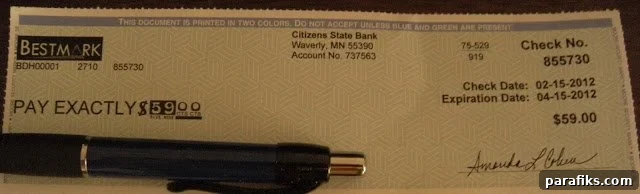
Payments are usually sent by direct deposit, check, PayPal, or gift card within 2–4 weeks after submission. In my experience, payments arrived promptly.
What are legitimate mystery shopping companies? Are secret shopper jobs legit?
Scams exist in the mystery shopping world, often targeting people eager to “get paid to shop.” Fraudulent companies commonly ask for upfront fees or personal information. Legitimate companies do not require payment to join.
I primarily used Bestmark and found it reliable. They paid me without charging fees. When evaluating companies, research their reputation, check reviews, and look for organizations like the Mystery Shopping Providers Association (MSPA) for guidance.
Be cautious if a company asks for money in advance. That is a strong sign of a scam. The FTC also provides information about common mystery shopping scams and how to spot them.
What types of secret shops are there? How do you become a secret shopper?
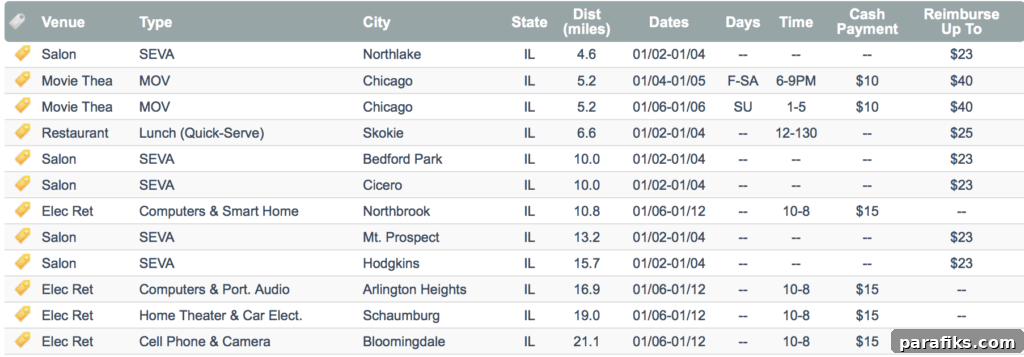
There’s a wide variety of mystery shop types. On platforms like Bestmark you’ll find many listings each month. To apply, select an assignment, choose a date, and request to participate. Assignments often approve quickly because companies need reliable shoppers.
Common mystery shop categories include:
- Restaurants and cafes—mystery dining assignments that reimburse meals and sometimes pay fees.
- Electronics and retail stores—departments or overall store evaluations.
- Salons and makeup counters—product purchases or service assessments.
- Car dealerships—phone calls, appointment scheduling, or in-person visits.
- Movie theaters, hotels, and other service providers.
- Phone-call or online evaluations—convenient options that require no travel.
Top-performing shoppers often receive more assignments. Some companies may require a background check or an independent contractor agreement, which is typically straightforward.
What does a mystery shopper do?
A typical mystery shopping process looks like this:
- Register with a mystery shopping company and complete an application.
- Browse and apply for available assignments.
- If approved, read the assignment guidelines carefully and confirm the date.
- Complete the assignment in person, by phone, or online—keep receipts if a purchase is required.
- Submit the required report, photos, or other proof within the specified time frame.
- Receive payment or reimbursement after the report is approved.
Strong written communication and attention to detail are important because your written report helps the business improve its customer experience.
Do secret shoppers keep what they buy?
Yes—mystery shoppers typically keep the items they purchase. Many assignments reimburse the cost or provide the item as part of the assignment, making it a way to receive free or discounted products and services.
Do mystery shoppers get paid upfront?
Most companies do not pay upfront. Usually, you pay for the purchase and are reimbursed after you complete the assignment and submit the report. This ensures the assignment is completed and that staff remain unaware of the evaluation.
How long does it take to get paid?
Payment timelines vary by company. Bestmark generally paid within three to four weeks. Other companies may take longer, but payment is typically issued within a month or two.
Do I need a secret shopping certification?
Certifications are not commonly required. You can sign up on a company’s website, review available assignments, and start applying. Training materials or guides are often provided for specific assignments.
What skills do mystery shoppers need?
Anyone who shops can potentially do mystery shopping. Key skills include strong observation, attention to detail, and clear written communication for completing reports accurately and effectively.
My favorite types of mystery shops—my review
When I began, I accepted a wide range of assignments to maximize earnings while paying off student debt. Over time I focused on the easiest or most rewarding tasks. My favorites included:
- Online or phone shops—no travel required and quick surveys assessing website functionality or call handling.
- Local assignments—shops close to home or work to reduce travel time.
- Makeup and cosmetics—free full-size products I would use, making these particularly valuable.
- Restaurant assignments—useful because dining is a regular expense and many dining assignments reimburse more.
Survey length varies—some take only a minute; others, like detailed restaurant reports, can take an hour. Typical restaurant reimbursements range from modest amounts up to $100 or more for upscale locations. Dealership phone shops often paid a few dollars each and were quick to complete. Retail shops, such as cosmetics counters or electronics departments, frequently provided products and modest fees.
If you can’t complete an assigned shop, notify your scheduler promptly to reschedule or cancel. Don’t make a habit of cancelling, as reliability can lead to better opportunities.
Mystery shopping will not make you rich. It’s a practical side gig that can provide free items, meals, and small cash payments. Companies pay for your feedback, so any necessary purchases should be reimbursed as part of the assignment.
How to get started
To begin, research reputable mystery shopping companies and create a profile. Look for companies with clear policies, no upfront fees, and good reviews. Consult resources like the Mystery Shopping Providers Association and consumer protection sites if you’re unsure about a company’s legitimacy.
Follow assignment instructions closely and keep accurate records of expenses for reimbursement. If you’re detail-oriented and organized, mystery shopping can be an enjoyable way to make extra money and contribute to businesses’ market research efforts.
Ready to try it? Find a reputable mystery shopping company, create your profile, and start browsing assignments that fit your schedule and interests.
Are you interested in learning how to become a mystery shopper? People really do get paid to secret shop.