Last week I finally launched my Ways to Earn Extra Income series. Many readers asked questions, so I’m continuing that series with a practical guide on how to become a freelance or staff writer. For clarity in this article, “staff writer” and “freelance writer” are used interchangeably.
Before last September I never imagined I would take on staff writing, and I hadn’t given it much thought. Once I started, though, I discovered I genuinely enjoy writing. I don’t claim to be perfect—I still need to proofread more—but I like communicating ideas, and writing for different blogs became a rewarding way to do that.
There’s another honest advantage: the income. Writing about topics I enjoy from home fits my lifestyle and financial goals. I apply most of my extra earnings toward student loans as part of my ongoing $38,000 student loan payoff plan.
I began freelance writing in September 2012 and made several early mistakes. I took on too many assignments at once and let the quality of my own blog slip. Fortunately, many of those gigs were short-term, and I soon scaled back to a sustainable workload. These days I write for two personal finance blogs and also produce content for a Caribbean hotel—an ideal balance for me. My main takeaway: don’t overload yourself when starting out.
Related content: How To Become A Freelance Writer
Tips for becoming a freelance writer
1. Start slowly when hunting for writing gigs
Avoid my early mistake of signing up for too many websites at once. There are only so many original angles you can write about a single topic before creativity and motivation suffer. Decide how many sites you realistically want to write for and how often you can contribute without lowering quality. Add new assignments gradually and get comfortable with your routine before taking on more work.
When I began, I spread myself too thin and my own blog’s content suffered. After refining my workload I now contribute to a few outlets and maintain consistent quality across them.
2. Find your niche
Choose topics you know and enjoy. Blogs, magazines, and websites need writers in many areas—travel, fashion, home improvement, DIY, personal finance, pets, family, and more. If you rarely travel, travel writing isn’t the best starting point. Focus on subjects where you have knowledge or experience. Specializing helps you become a stronger, more marketable writer.
3. Promote your availability and pursue assignments
People can’t hire you if they don’t know you’re available. I was first contacted unexpectedly about a staff writing role, and that led me to explore more opportunities. Having a blog made it easy for editors to see my work and consider me for openings.
Actively announce that you’re looking for work—post in relevant forums or communities, and use job boards such as ProBlogger. If you have a blog, include a “Hire Me” or “Work with Me” page to make your services obvious. You can also email site owners directly with a short pitch and writing samples or links to your blog.
4. Deliver high-quality articles
Quality matters. Editors and site owners will judge you by the work they read, and excellent pieces lead to referrals and repeat gigs. Don’t expect to churn out polished posts in 30 minutes; good articles often take 1.5–2 hours or more, depending on research and formatting. Keep an idea list on your phone so you have topics ready when inspiration strikes.
5. Start your own blog
A personal blog is one of the best tools to showcase your writing voice and abilities. Many editors discover writers through blogs because they provide a clear sample of style, tone, and quality. When you run your own blog, treat each post like a portfolio piece—well-researched, properly formatted, and polished.
If you want to get into freelance writing, starting a blog is a practical step. It shows prospective clients how you write and what topics you cover, which makes hiring you an easier decision.
6. Know your worth
Rates vary by niche, length, and the time required for research and editing. Decide what you’ll charge based on those factors and be prepared to hold firm. Don’t undervalue your work just to get assignments—undercutting yourself can lead to burnout and lower-quality output. A 500-word post and a 2,000-word researched feature have different values; price accordingly and be transparent about what your rate includes.
Edit: For additional perspective, Jordann wrote about why staff writing can be an excellent side hustle (Staff Writing is the Perfect Side Hustle).
Related note: my friend Cat Alford offers a course called Get Paid to Write for Blogs that many writers find helpful. She’s built a successful freelance career and shares practical advice for turning writing into a steady income.
Final questions
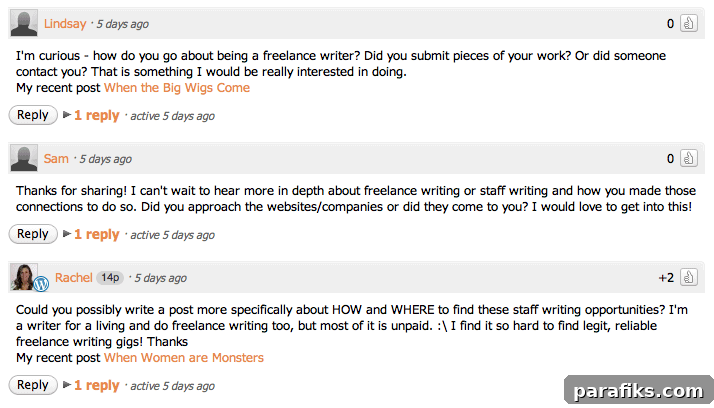
Do you do freelance writing? What tips would you share about getting started or finding assignments? Share your experiences or questions and help others who are learning how to break into freelance writing.