
Hello! Today I’m sharing an in-depth interview that explains how to earn extra income by learning how to sell on Amazon.
If you’re exploring a new job or side hustle for extra income, selling on Amazon could be worth investigating.
In this interview you’ll be introduced to a practical approach to building an Amazon business called the “Marketplace Model.”
Stephen Somers, an entrepreneur from Ireland who has built multiple multi-million-dollar businesses using this model and helped over 5,000 people in his community, explains the process.
Here’s the Marketplace Model at a glance:
- Find products on Amazon that are already selling.
- Create your own unique, branded version of one of those products.
- Find a supplier and place a small trial order.
- Sell the products on Amazon.
- Expand into Amazon’s global marketplaces to scale sales.
Read on for the full interview and step-by-step guidance on how to start selling on Amazon. In the interview you’ll learn:
- How Stephen got started selling on Amazon
- What new business owners can realistically expect to earn
- How to start your own Amazon business
- How to choose products to sell
- Estimated startup and ongoing costs
- Stephen’s top tips for getting started
Stephen also offers a free webinar that explains how to sell simple, low-competition products on Amazon, including product selection, strategy, and how to build a business from scratch. You can sign up for the free training if you want a structured introduction.
Stephen emphasizes that no prior experience or advanced technical skills are required—everything is actionable and can be implemented right away.
Related reads on earning extra income:
- 12 Work From Home Jobs That Can Earn You $1,000+ Each Month
- How Jenn Makes Over $10,000 A Month With Her Online Store In Less Than 10 Hours Per Week
- Ways To Make An Extra $1,000 A Month
- 11 Ways To Get Paid To Take Online Surveys
How you can make money selling on Amazon
Please give us a little background on yourself, how you started selling on Amazon, and how it’s going for you right now.
Hi, I’m Stephen Somers, writing from my hometown in Wexford, Ireland. I’m 32 and my route into business began while I was in college. I initially pursued music but that didn’t work out, which ultimately redirected me toward online business.
After college I worked as a data processor and spent lunch breaks researching ways to earn online. I fell prey to a number of scams and confusing get-rich-quick schemes before finding a real path.
Early advice I encountered was often unrealistic: people suggesting you could sell random household items and become an overnight success. That experience pushed me to find a more reliable approach.
I realized physical products made sense because they could eventually be sold and fulfilled without me handling every order personally. That’s when I met my first mentor and current business partner, Robert, through a family connection. I spent a week working with him to learn the business and eventually moved to Northern Ireland to work hands-on.
The work was physically demanding—we were lifting boxes and running warehouses—but I loved it and learned how the business truly operated. After nine months of intensive learning, I quit my job and went all-in. Over the next 18 months Robert and I streamlined the business, reduced overhead, and grew it into a multi-seven-figure operation.
From that experience we developed a repeatable process and launched Marketplace SuperHeroes, a training and service business now serving over 5,200 members.
How much can a new business owner expect to make? How much can a person expect to make around one year after they start?
That’s a common and important question. With private label products on Amazon, earnings vary widely. It’s not helpful to give a single number because results depend on the system you follow, the time and capital you invest, and how consistently you execute.
Realistically, Amazon businesses can support a wide range of goals—from supplementing your income to scaling into a multi-six- or seven-figure enterprise—if you apply a proven system and commit time and resources.
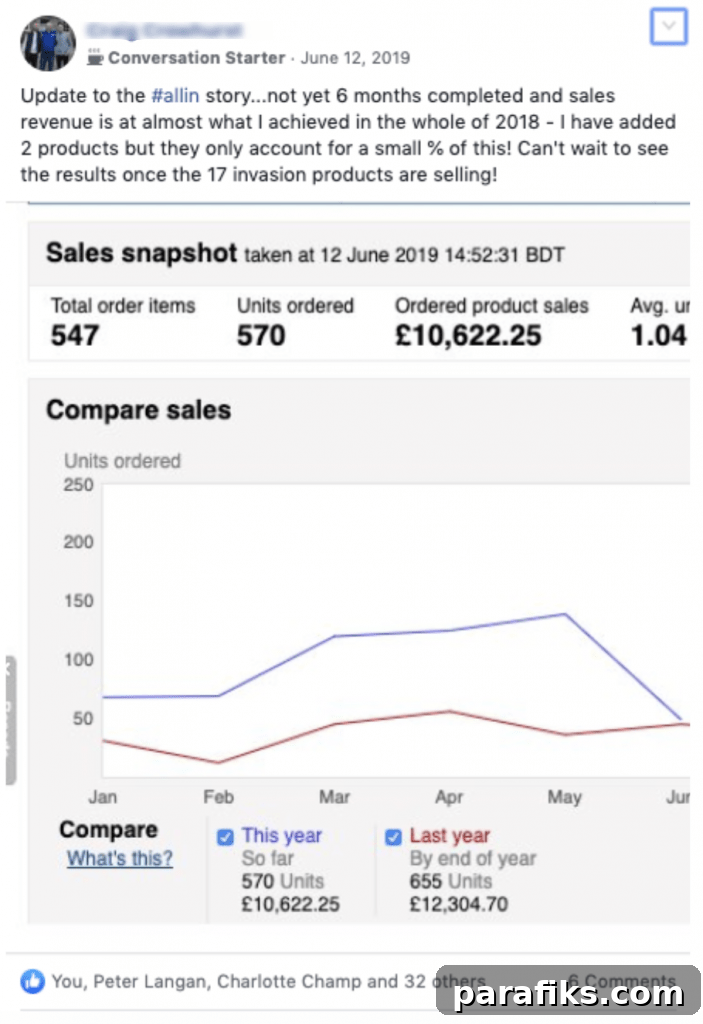
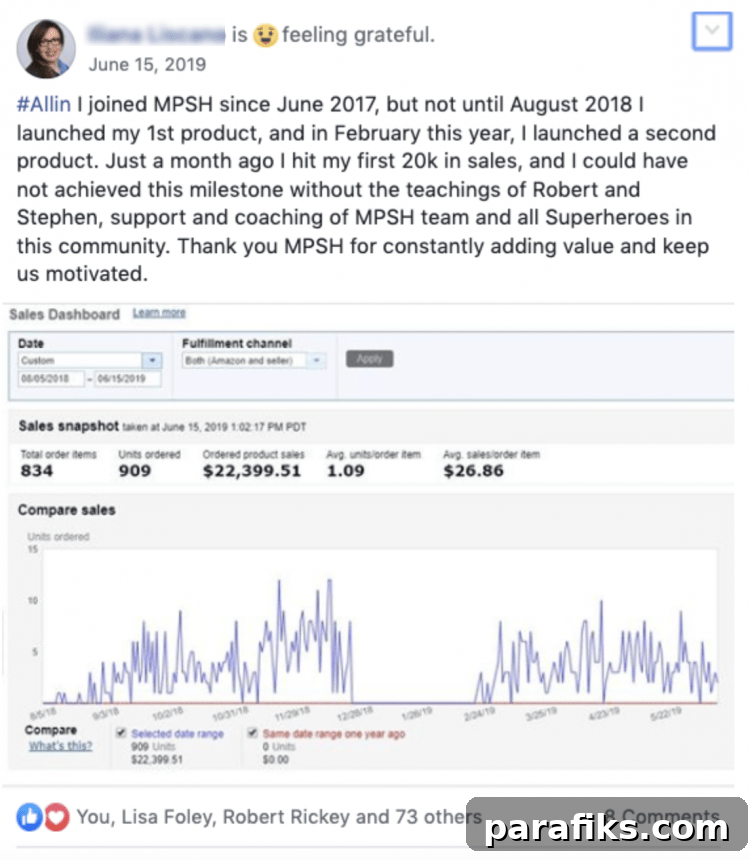
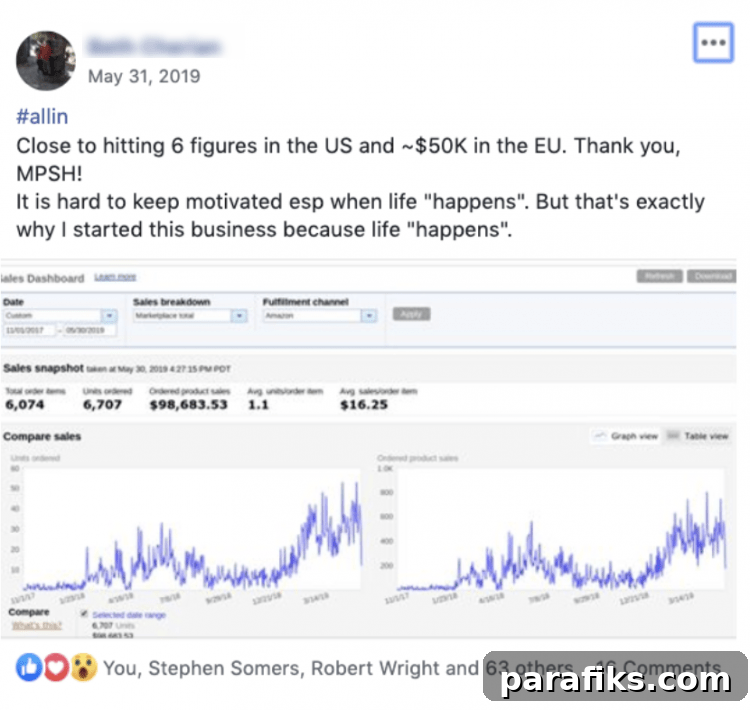
Here are examples from our community showing what some members achieved within their first year or less selling on Amazon:
What do you like about selling on Amazon?
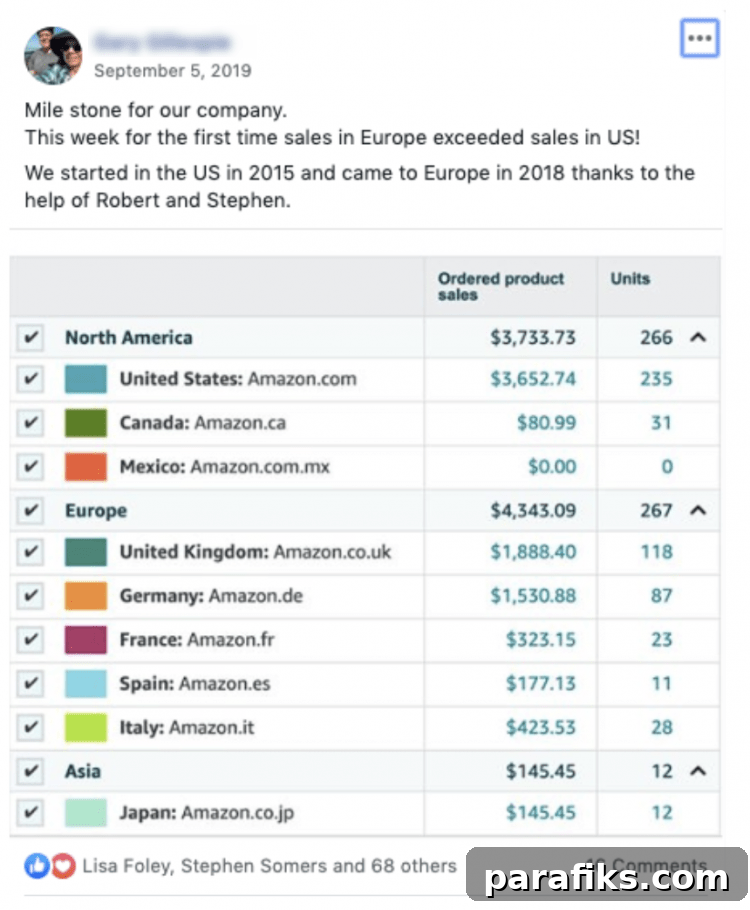
Selling physical products on Amazon lets you set your own hours and scale a business without the same customer acquisition challenges of other platforms. Amazon’s fulfillment options—especially FBA and networks like the European Fulfillment Network—enable sellers to store inventory in one country and fulfill orders across multiple marketplaces, multiplying your market reach with less friction.
Amazon is often the first place shoppers search for products, so you can leverage Amazon’s traffic and reputation when your listings are optimized and your products meet demand.
How can a person start their own business on Amazon? How does this business model work?
If you want to start a private label Amazon business from scratch, here are five practical tips:
#1 Find a System
Don’t try to reinvent the wheel. Follow a proven model and process to get faster, predictable results.
#2 Product Research
Product research is critical. Spend most of your time getting good at finding products that will sell consistently.
#3 Raise Capital
Consistent capital is essential. Small daily savings add up and give you money to invest in inventory and growth.
#4 Invest
When you’re ready, order your first product. Taking action and reinvesting profits into more inventory drives momentum.
#5 More Products!
Once your first product is selling, add new products to build a pipeline and scale revenue across marketplaces.
How do you determine what to sell on Amazon?
We use a B.E.S.T framework to evaluate products:
- Boring — Choose everyday products that consistently sell.
- Established — Sell items with proven demand.
- Sustainable — Pick products that won’t quickly become obsolete.
- Tangible — Focus on physical products customers can touch.
How do I create my own product? Is it hard? Do I ship the item myself?
We don’t try to invent demand. Instead, we find existing, proven products and create improved, branded versions—different pack sizes, bundled items, or added bonuses—to stand out. Amazon FBA handles storage, fulfillment, and customer service once you send inventory to their warehouses, so you don’t need to manage individual shipments or post-sale support yourself.
Can you give me examples of items that can be sold on Amazon?
Using the B.E.S.T framework, typical product ideas include practical items like plastic shoe boxes, wall-mounted TV stands, or rubber feet for appliances—boring but in-demand products. The goal is to identify ways to improve the offer, not to reinvent a category. Markets change, so continually test new items and build your product pipeline.
Please note: market conditions evolve, so avoid assuming any single product will always be profitable.
How much does it cost to start this type of business and how much on a monthly basis to maintain it?
Be realistic about startup costs. To import and launch a first product, expect roughly $1,000–$3,000. Ongoing monthly costs include:
- Seller subscription fee: Typically £25 per month in the UK or $39 per month in the US.
- FBA fees: These vary by size, weight, category, and marketplace and include fulfillment and storage fees (fulfillment is a flat fee per unit based on dimensions and weight; storage is charged per cubic foot per month).
For members we operate a freight and storage service that can lower storage and import costs, helping protect margins.
Any other tips for someone who wants to try selling on Amazon?
Think long-term and plan to sell globally to take advantage of marketplace multiplication. Building a pipeline of products and reinvesting profits will allow you to scale steadily.
What can someone learn from your course?
Our Core Program teaches how to find low-competition, high-profit products and sell them globally on Amazon. The course is a complete, step-by-step system designed for beginners and experienced sellers alike, covering product research, sourcing, listing optimization, and expansion into international marketplaces.
Are you interested in learning how to sell on Amazon?