
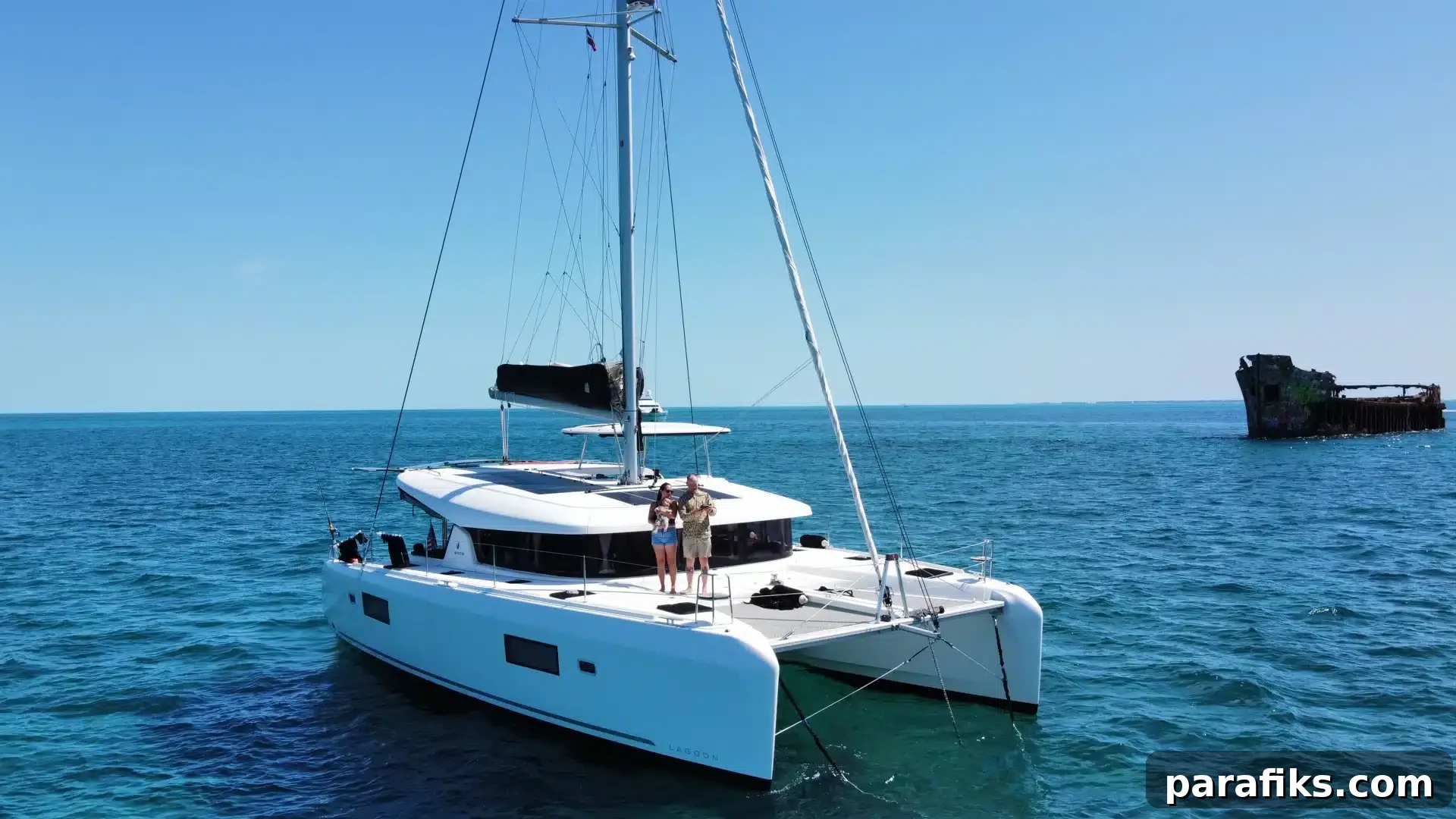
Which do you prefer: the boat or the RV?
Do you ever miss RVing?
How long do you plan to sail? Will you ever return to living in a conventional home?
Those questions keep coming, and now that we’ve switched to sailing, we hear them all the time.
To recap, we lived in an RV full-time for about four years and have been living aboard a sailboat for nearly two years. We genuinely love both lifestyles and the freedoms they provide.
There are many similarities between life on a boat and life in an RV:
- You can bring your home with you as you travel.
- Marinas are similar to campgrounds.
- Anchorages are like boondocking spots for RVs.
- Both use similar systems—batteries, solar panels, water tanks, waste tanks—and require ongoing maintenance.
- Both are typically smaller living spaces than a conventional home.
But there are also important differences between the two lifestyles.
We moved between several RVs and found transitions relatively straightforward because RVs share many common features. Moving from an RV to a sailboat, however, required a lot more work and learning. Likewise, moving back to an RV from a sailboat would involve a relearning process. Any new lifestyle demands time to adapt.
Before we moved aboard our sailboat, my husband Wes had some sailing experience. I had almost none, aside from a 10-day sailing charter. We had long debated whether to live in a boat or an RV. Since we had already experienced RV life, we decided to try sailing—and I’m so glad we did. Getting to live both ways has been invaluable.
Living in a boat or an RV is a major change from a typical home, which is why people ask so many questions. Some think we’re crazy for choosing either path, but both have been incredibly rewarding.
Because I get asked frequently whether we prefer the boat or RV, I wanted to describe the similarities, differences, and what life looks like in both.
- Welcome To Paradise – We’re Living On A Sailboat!
- Is Full-Time Traveling As Good As It Sounds?
- The Honest Truth About Van Dwelling: Answers To The Most Common Van Life Questions
- Common Full Time RVing Questions Part 2 – Don’t You Hate Each Other Yet?
Side note: make sure you’re following me on Instagram!
Boat or RV? My thoughts on living in both
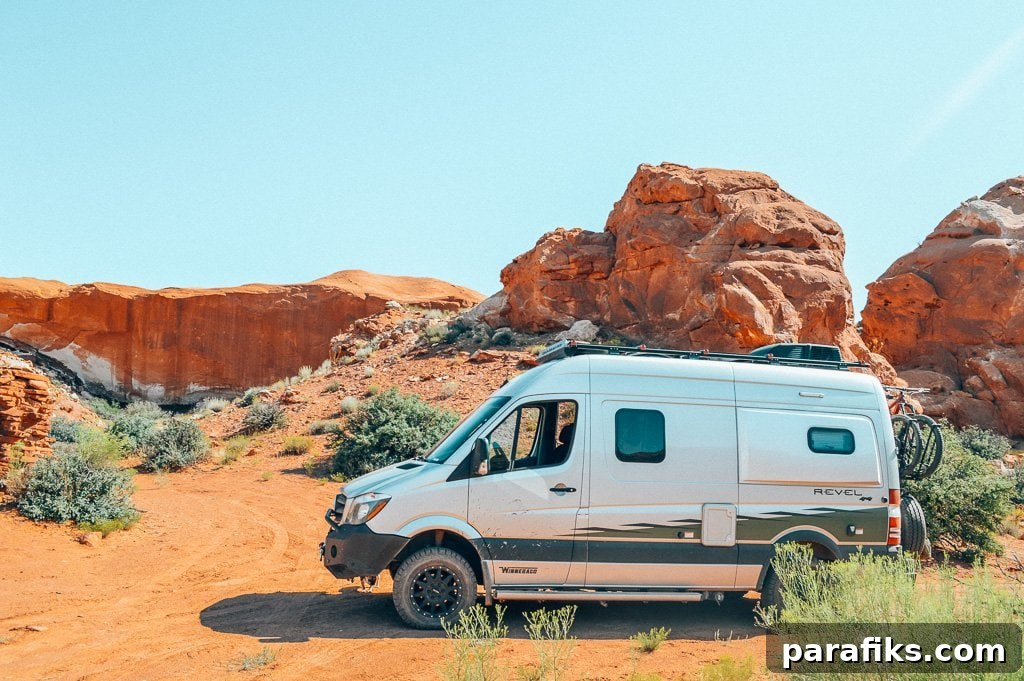
Do you miss RVing?
Yes—we miss RVing. We loved that life. For us, RVing felt easier and more routine than learning to live aboard a sailboat. It offered straightforward travel, easy access to trailheads, and comfortable driving with our dogs. The RV years were some of our favorite times, and we fully expect to RV again in the future.
RVing brought us to countless beautiful places, let us park next to hiking and biking trails, and allowed comfortable travel with our pets. When people asked what was hardest about RV life, it was difficult to name a real downside—RVing was a consistently enjoyable experience.
We didn’t stop RVing because we stopped enjoying it; we stopped because we wanted a new challenge and the chance to sail.
Is it cheaper to live on a boat or in an RV?
Costs vary widely for both boats and RVs. You can find inexpensive or even free projects, but restoring a neglected boat typically costs more than fixing up an RV. Maintenance is the main cost difference: boats, especially sailboats, usually require more frequent and costly upkeep. Saltwater is harsh on systems and hardware, and boats have many more items that can fail.
The saying “BOAT = Bust Out Another Thousand” captures the reality—boats tend to demand more ongoing investment. RVs have their own maintenance needs, but overall we’ve found boats to be more expensive to maintain.
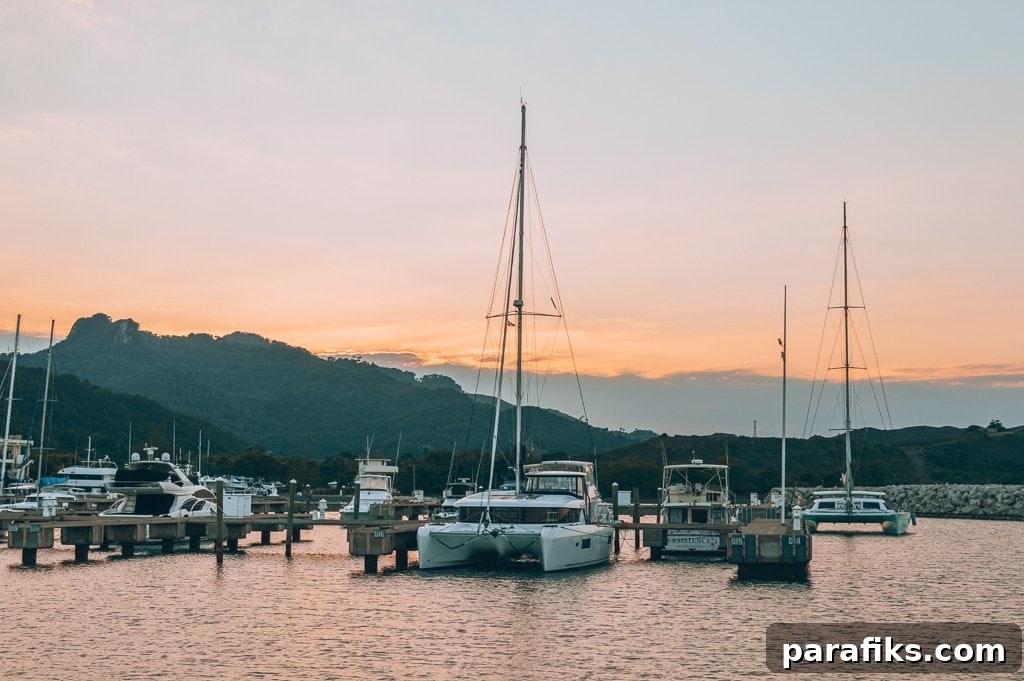
Where you can stay
Both lifestyles offer free and paid options. For RVs, boondocking can be free and beautiful; paid campgrounds range roughly from $25 to $100 per night, and upscale resorts can run $100–$300 per night. For boats, anchorages can be free and marinas vary widely—some are inexpensive, others can cost $40 to $300+ per night. Marina fees are usually charged per foot of boat length, and some marinas add a liveaboard fee.
Long-term rates at marinas are frequently more affordable on a per-night basis than nightly transient rates, whereas many campgrounds don’t offer dramatically cheaper long-term rates.
Where you can take a boat or RV
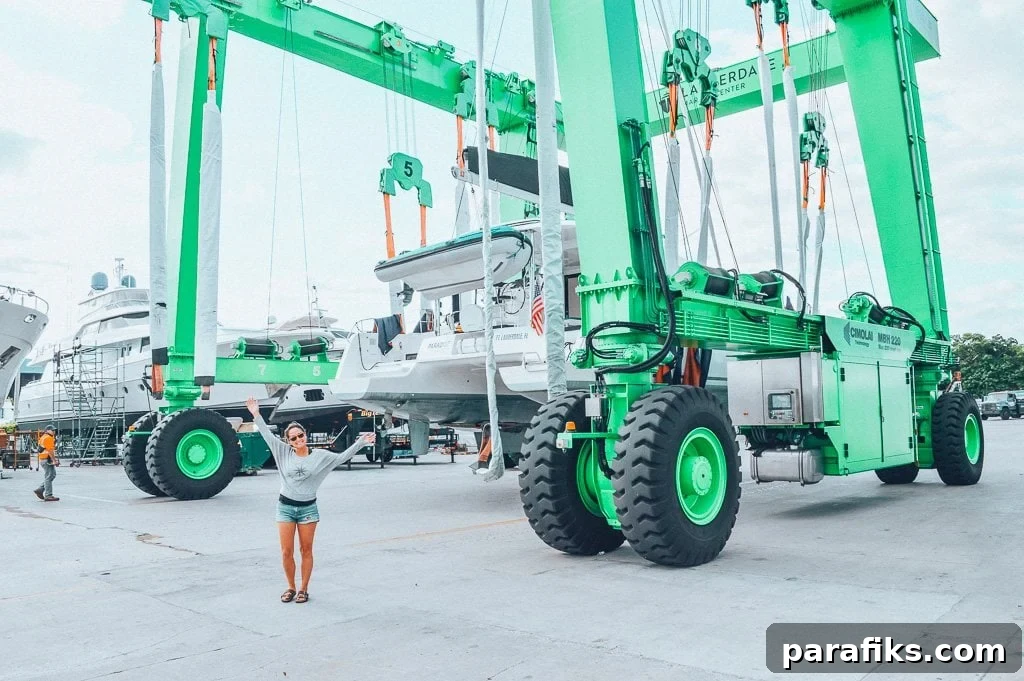
A sailboat opens up island-hopping and coastal exploration opportunities that are impossible for an RV. You can travel to remote islands and coastal regions with your home aboard. RVs allow access to inland destinations, national parks, mountain trails, and places that boats can’t reach. Some people even ship their RVs overseas, but shipping an RV to small Pacific or Caribbean islands is rare—boats are the better option for island travel.
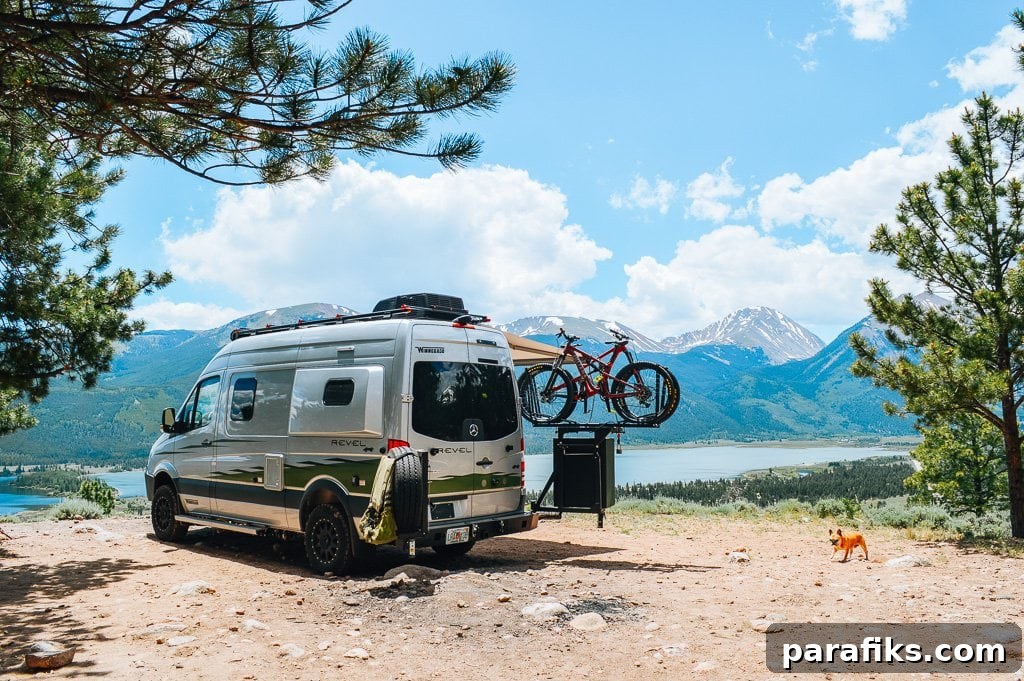
Traveling speed
RVs travel as fast as cars and can cover hundreds of miles in a day. A sailboat typically moves much slower—often 5–10 knots (about 5–10 mph). A long coastal run that takes a few hours by car can take days or weeks by sailboat. That slower pace is part of the charm for many sailors, but it’s a practical consideration when planning travel.
Living space and storage
RVs tend to be 20–45 feet long due to road restrictions, while boats can range from compact monohulls under 30 feet to spacious catamarans and motor yachts well over 50 feet. Overall living space aboard some boats can be roomier—more headroom and distinct rooms—so hosting guests may be more comfortable on certain boats. Despite that, boats often have less practical storage space than RVs because of hull shapes, systems, and structural constraints. Many people who have tried both report the same trade-off: boats feel roomier but offer less organized storage.
Bringing pets along
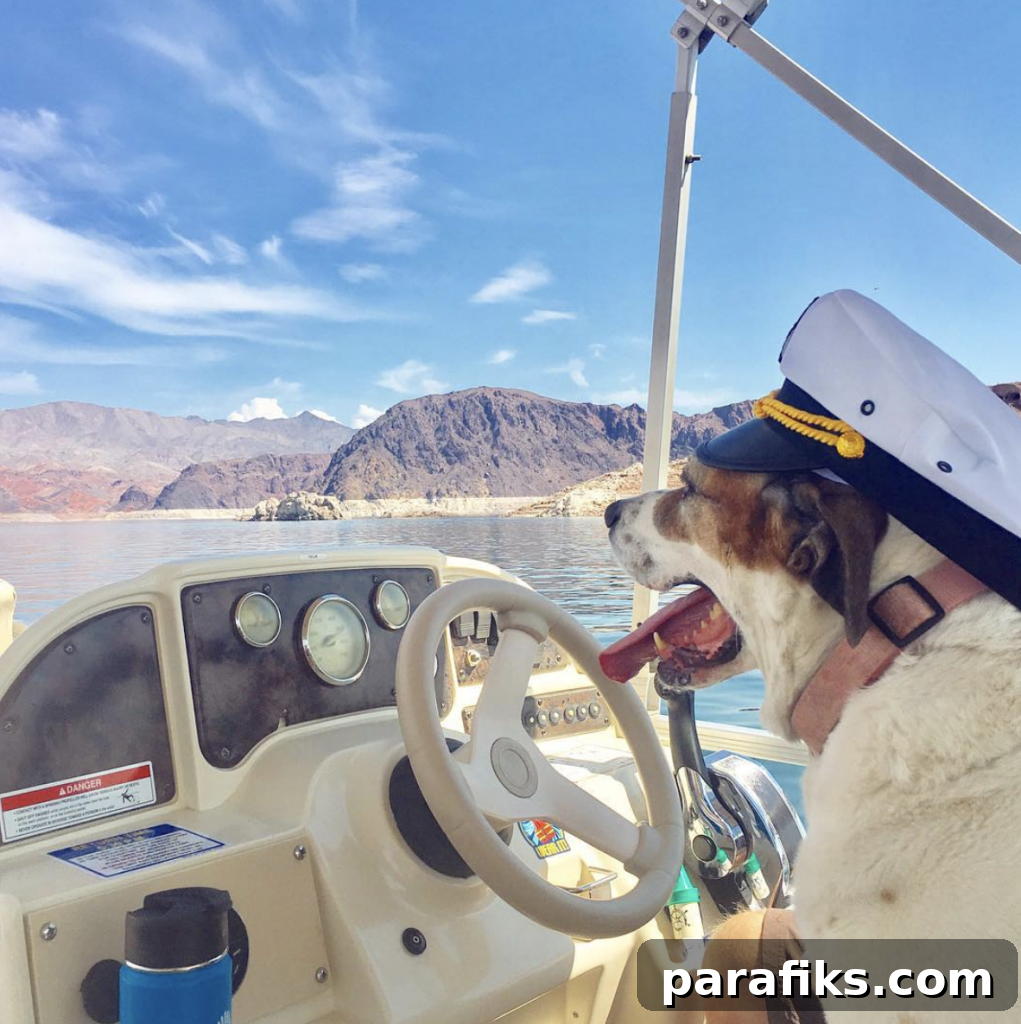
It’s generally easier to travel with pets in an RV. Dogs and cats usually adapt quickly—there’s easy access to land for bathroom breaks, and RVs are stationary most of the time. Boats are constantly moving, finding places to let a dog relieve itself can be harder, and international cruising often requires pet import paperwork. Some people have rehomed pets before moving aboard sailboats, while many RVers get an RV specifically to bring their pets along.
That said, many dogs love life on the water and adapt well. We spent time acclimating our dogs to the boat, and they now do fine in both environments: our smaller dog prefers the calmer life on the boat, while our larger dog enjoys walks and the attention she gets in new places.
The type of adventure each offers
Both lifestyles are adventurous but in different ways. RVing is ideal for land-based activities—hiking, biking, climbing, exploring national parks—because you can park right near trailheads and access inland terrain easily. Boat life offers water-based adventures, island exploration, and the rewards of sailing itself. Sailing encourages self-reliance: many cruisers produce their own water, generate power with solar panels, and even fish for meals. Sea life encounters—dolphins, turtles, rays, sharks—are common and add a magical element to life aboard.
Mail and residency
Residency and mail logistics change based on lifestyle. While RVing, we used South Dakota as a residency state, which is popular with full-time RVers. After switching to boat life, Florida made more sense for us. We use a mail forwarding service that receives our mail and forwards it to wherever we are. This worked smoothly while RVing when travel schedules were more predictable. On a boat, mail forwarding can be trickier because sailing routes and timing are more dependent on weather and changing plans.
The learning curve
Learning to live full-time in an RV is a process, but compared to learning to sail and maintain a boat, it’s relatively straightforward. The first months on our sailboat were rough: stress, tears, and steep learning curves were all part of the process. Over time we gained confidence—docking, line handling, and sailing skills improved—and those wins felt incredibly rewarding. Many people told us the first year would be the hardest, and some did leave the lifestyle early. We stuck with it and saw the payoff in skill, confidence, and unforgettable experiences.
That’s not to say RVing is effortless—both lifestyles require effort, problem solving, and maintenance. But the challenges are different and the rewards are real for either choice.

Best and worst aspects of boat life
Best: freedom to explore by water, close encounters with marine life, and a high degree of self-sufficiency. Our boat has solar panels, a watermaker, and sails—elements that reduce reliance on fuel and shore services.
Worst: constant planning, equipment failures, and weather-driven limitations. Boats regularly need repairs or upgrades, and the unexpected is part of #boatlife. Still, many sailors accept that much of the journey involves troubleshooting and fixing things in beautiful places.
Which do we like better: boat or RV?
After weighing everything, the honest answer is we love both. Each lifestyle has unique strengths and trade-offs. We can imagine doing both again at different stages of life. Many people cross between these communities—former sailors become RVers, and former RVers take to the sea. The people often have similar values, and while a light rivalry exists between the groups, the shared love of adventure unites them.
Which would you choose: boat or RV?