
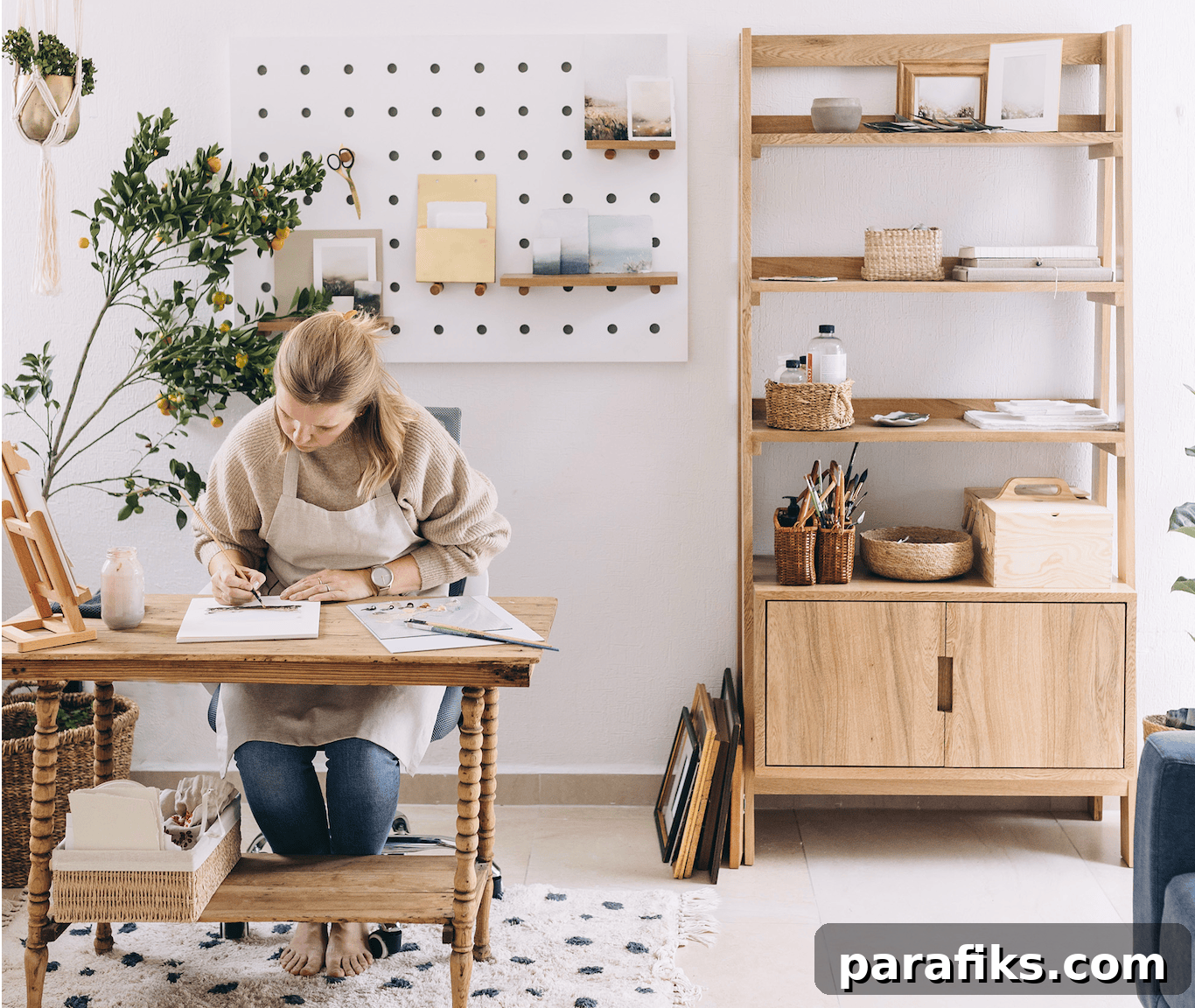
Do you love making things with your hands but find yourself spending a surprising amount on supplies before you even finish a single project? You’re not alone—I’ve been there, too.
Over the years I’ve tried embroidery, watercolor, crochet, paper crafts, and more. Along the way I bought supplies I use constantly and others that ended up forgotten in a drawer. After plenty of trial and error, I’ve learned which purchases are worth it and which are better skipped.
This article covers practical tips to help you save money and build a useful, enjoyable craft supply collection. Topics include:
- How to find craft supplies for free
- Why your library’s makerspace is a valuable resource
- Best beginner craft supplies
- Supplies I still love and those I regret
- Common mistakes people make when buying craft supplies
How to Find Craft Supplies for Free
You don’t have to pay full price for everything. Some of my favorite supplies were free or deeply discounted. Before buying new items, try these strategies:
- Join local Buy Nothing groups where neighbors give away items for free.
- Search Facebook Marketplace or similar buy/sell apps and set keyword alerts for the supplies you want.
- Ask friends and family if they’re clearing out craft materials—they often have extras they’re happy to pass along.
- Visit creative reuse centers or community resource hubs that collect donated materials for artists and crafters.
Why You Should Use Your Library’s Makerspace
Many libraries now offer makerspaces—shared spaces where you can use expensive machines and tools without buying them. Makerspaces typically include items like laser engravers, sewing machines, Cricut or other die-cut machines, 3D printers, and button makers. They’re a great way to test a hobby before investing, and libraries often run free or low-cost classes to teach you how to use the equipment.
Best Craft Supplies for Beginners
When you’re starting out, focus on versatile, quality basics that work across multiple crafts. A small, well-chosen kit can cover dozens of projects and save money in the long run. Essentials I recommend include:
- High-quality scissors
- A cutting mat and craft knife
- A metal ruler
- A reliable hot glue gun
- A set of paintbrushes suitable for acrylics and watercolors
- A durable storage box or shoe box to keep supplies together
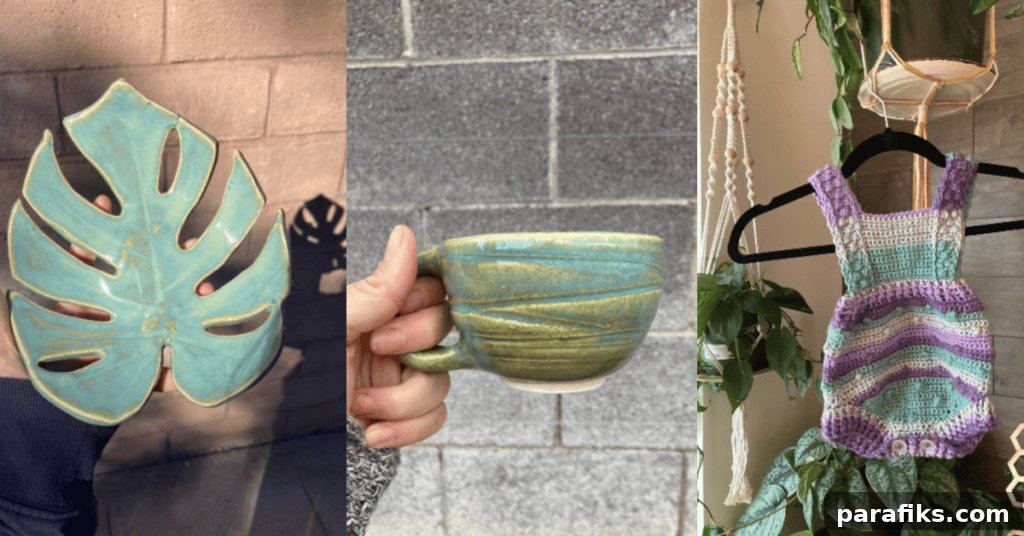
Supplies I Still Love—and the Ones I Regret
Many purchases have been invaluable. In addition to the beginner essentials above, these items consistently earn their place in my craft space:
- An embroidery floss organizer
- A small craft cart for mobile storage
- Painter’s tape
- A project notebook for sketches, measurements, and ideas
- Quality sewing needles
- Erasable pens for pattern marking
- Project bags to keep works in progress tidy
- A rotary cutter for fabric and paper
- A compact craft caddy for tools
- Mod Podge or other reliable sealers and adhesives
On the flip side, some purchases rarely paid off. Items I’d skip or buy more carefully next time include:
- Cheap paintbrush sets that shed or don’t hold paint well
- Duplicate tools bought impulsively because they were on sale
- Expensive craft kits I never completed
- “Just in case” supplies—extra yarn or materials bought before finishing current projects
Biggest Mistakes People Make When Buying Craft Supplies
One common mistake is going all-in too quickly—buying every tool for a new hobby before you know whether you’ll stick with it. Using a makerspace or borrowing equipment first can prevent wasted money.
Another error is purchasing low-quality tools to save money; cheap tools can make learning frustrating and discourage you from continuing. Finally, buying supplies without a plan often leads to clutter and unfinished projects. Aim to purchase with purpose: a project in mind or a trial period to test the hobby.
Frequently Asked Questions
Here are concise answers to common questions about building and maintaining a craft supply collection.
Where’s the cheapest place to buy craft supplies?
Thrift stores, buy/sell apps, Buy Nothing groups, and creative reuse centers are often the most affordable options. Shop secondhand first when possible.
Are dollar-store craft supplies worth it?
Some dollar-store items are good value—foam brushes, storage containers, popsicle sticks, and seasonal decor can be useful. For tools you’ll use frequently, invest a bit more in quality to save frustration and replacement costs.
How often should I declutter craft supplies?
Declutter when your space starts to feel overwhelming—typically twice a year for many crafters. Break the task into 15-minute sessions to make it manageable. Donate usable extras to local thrift stores or creative reuse centers.
How do I organize a growing collection?
Group similar items by craft type and store frequently used tools at eye level. Use clear containers and labels so you can find things quickly. Project bags for individual works in progress are a game-changer for staying organized and getting started easily.
What supplies are worth buying in bulk?
Buying bulk makes sense for consumables you use often: sewing needles, certain yarns (if you knit or crochet regularly), zip bags and storage containers, cardstock, and adhesives.
What crafts are cheapest to start?
Low-cost crafts to try include drawing, collage, crochet, embroidery, air-dry clay, origami, coloring, macramé, junk journaling, bookmark making, rock painting, and simple diamond painting. Free online tutorials make it easy to learn without spending much.
Summary: What I’ll Rebuy and What I’ll Skip
Crafting doesn’t need to be expensive. Start with a few quality essentials, borrow or buy secondhand when possible, and resist buying tools until you know you’ll use them. That approach has saved me money, reduced clutter, and made crafting more enjoyable.
What craft supplies do you love, and which purchases do you wish you’d skipped?