Are you interested in creating an online store? This article explains how to build an online store and answers common questions new sellers often ask.
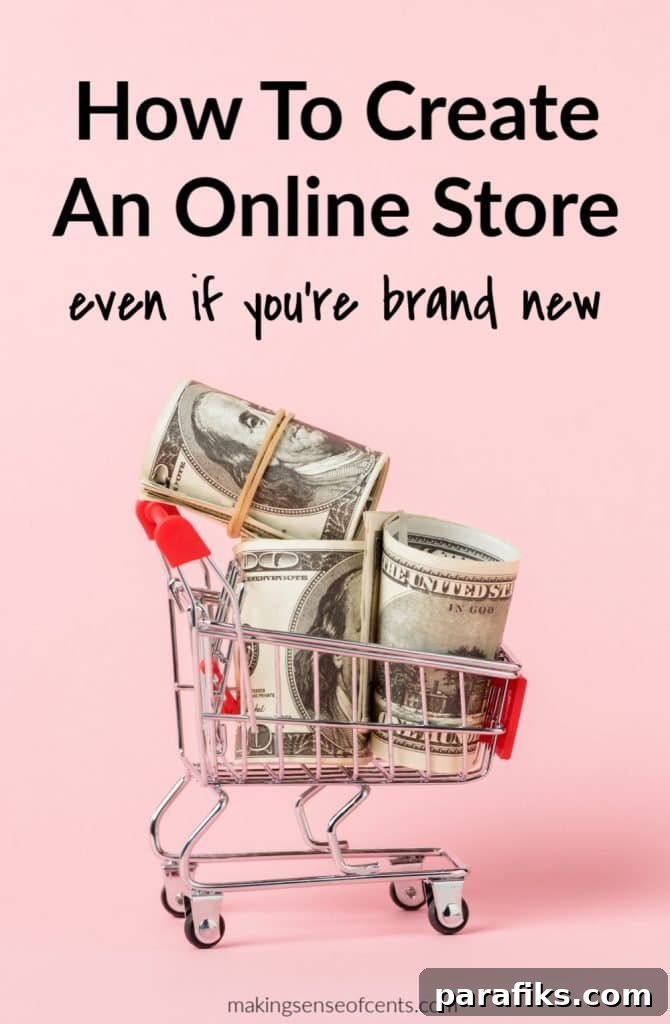 Many readers ask how to start an online store so they can work from home. That’s understandable—selling online is one of the most flexible and scalable ways to run your own business.
What exactly is an online store or ecommerce business?
An online store is a website or platform where you sell products or services to customers over the internet—essentially any time you buy something online. You don’t need a large company or a big budget to build a successful store; with the right approach, anyone can launch an ecommerce business, even with no prior experience.
Ecommerce continues to expand rapidly. A growing share of shoppers choose online channels for convenience and selection, and small independent shops account for a big portion of that growth.
Running an online store offers several advantages:
- Flexible working hours and location;
- Control over your business as the owner;
- Income potential that isn’t capped by a salary—your results depend on your effort and strategy;
- If you already operate a physical shop, adding an online storefront can significantly expand your reach and sales.
Whether you’re launching a brand-new store or taking an existing brick-and-mortar business online, the guidance below will help you get started.
Common questions about creating an online store
What types of online stores are possible and what can I sell?
There is a huge variety of online stores. Shoppers now buy everything from clothing and beauty products to digital subscriptions and custom-made goods. Smaller niche shops are thriving alongside large retailers, and new categories continue to emerge.
Choosing what to sell is one of the most important decisions you’ll make, and it’s worth careful research. Examples of product categories include:
- Clothing and accessories;
- Subscription boxes and curated kits;
- Jewelry and handmade items;
- Pet supplies;
- Beauty and personal care products;
- Home goods and decor;
- Digital products, services, and online courses.
The possibilities are extensive—focus on a market that matches your interests, skills, and customer demand.
Where do products come from?
Products can be sourced in several ways:
- You can manufacture items yourself, such as handcrafted goods or products you design;
- Purchase from wholesalers or manufacturers at bulk prices and resell at retail prices;
- Use sourcing platforms like Alibaba to find manufacturers and suppliers;
- Use marketplaces and wholesale directories to discover stock you can resell;
- Or use dropshipping: list a supplier’s products on your site and have the supplier hold inventory and ship directly to your customers.
Working with manufacturers or wholesalers typically allows you to scale production more quickly than making every item by hand. Dropshipping is attractive because it reduces upfront inventory costs, but it requires reliable supplier relationships and careful margin planning.

How much money can an online store make?
There’s no fixed limit. Revenue depends on product margins, marketing effectiveness, customer retention, pricing, and operational efficiency. Some stores generate modest side income while others scale to six- or seven-figure annual revenue. Your results will depend on the market, your execution, and how effectively you reach and convert customers.
How is shipping managed?
Shipping options vary by business model:
- You can pack and ship orders yourself using postal services or couriers like UPS, FedEx, or local carriers;
- Hire a third-party logistics (3PL) provider to store inventory and fulfill orders for you;
- With dropshipping, suppliers handle packing and shipping directly to customers, eliminating the need for you to hold inventory.
Choose the approach that best fits your budget, order volume, and customer expectations for speed and tracking.
How do you accept payments?
Common payment processors include PayPal, Stripe, Apple Pay, Google Pay, and many integrated gateways offered by ecommerce platforms. Choose processors that balance transaction fees, ease of setup, and payment methods your customers prefer. Ensure your checkout is secure and mobile-friendly to reduce cart abandonment.
How do you drive traffic to a new online store?
Driving traffic requires a mix of strategies. Effective channels include:
- Social media marketing on platforms like Instagram, Facebook, and Pinterest;
- Paid advertising (search ads, social ads, shopping ads);
- Building an email list and sending regular, value-driven newsletters;
- Search engine optimization (SEO) to attract organic traffic from Google and other search engines;
- Content marketing such as blogs, tutorials, and product guides that position you as an authority in your niche.
Combining several channels and testing what works for your audience is the best way to scale consistent traffic and sales.
What are the steps to start an online store?
Here are clear, actionable steps to launch your store:
- Decide what you will sell—choose a product category or niche that fits demand and your strengths.
- Source products—select suppliers, manufacturers, or set up your production process.
- Choose an ecommerce platform (for example, BigCommerce, Shopify, or another provider), register a domain, and design your store’s layout and product pages.
- Set up payment processing, tax rules, and shipping settings.
- Launch marketing efforts: social media, email list building, SEO, and paid ads to start driving traffic.
- Measure results, optimize product listings and ads, and iterate to grow sales.
Repeat and refine these steps as your business evolves.
BigCommerce vs Shopify
Two popular ecommerce platforms are BigCommerce and Shopify. Each has strengths to consider:
- BigCommerce can reduce reliance on third‑party apps and may save merchants costs on add-on subscriptions compared with other platforms;
- BigCommerce allows merchants to use PayPal Powered by Braintree and often avoids extra transaction fees if using alternative gateways; Shopify charges additional transaction fees unless you use Shopify Payments;
- BigCommerce offers SEO-friendly features such as customizable URLs to help improve search rankings;
- Both platforms provide responsive themes and content delivery networks for fast media delivery. BigCommerce also includes automatic image optimization features on certain themes to serve the best image size and format for each device.
Choose the platform that fits your budget, desired features, and technical comfort level. Both can power successful stores when used well.
BigCommerce review
BigCommerce is a solid starting point for new ecommerce businesses. It focuses on helping merchants grow with many built-in features that reduce the need for additional apps.
Key features include:
- 24/7 customer support;
- Multi-channel selling across marketplaces and social platforms like Amazon, eBay, Facebook, and Instagram;
- Prebuilt themes to speed launch and mobile-responsive designs that work well on smartphones and tablets;
- Multiple payment options including PayPal, Stripe, and digital wallets;
- Conversion tools like one-page checkout and abandoned cart recovery;
- Built-in discount and coupon options to run promotions and bundle offers;
- Inventory and sales synchronization for stores that also sell in person.
BigCommerce pricing starts at an entry-level monthly plan and scales up with additional features and higher sales thresholds. The platform also offers extensive help resources to guide new merchants through setup and growth.
Are you ready to create an online store? What other questions do you have about starting an ecommerce business?