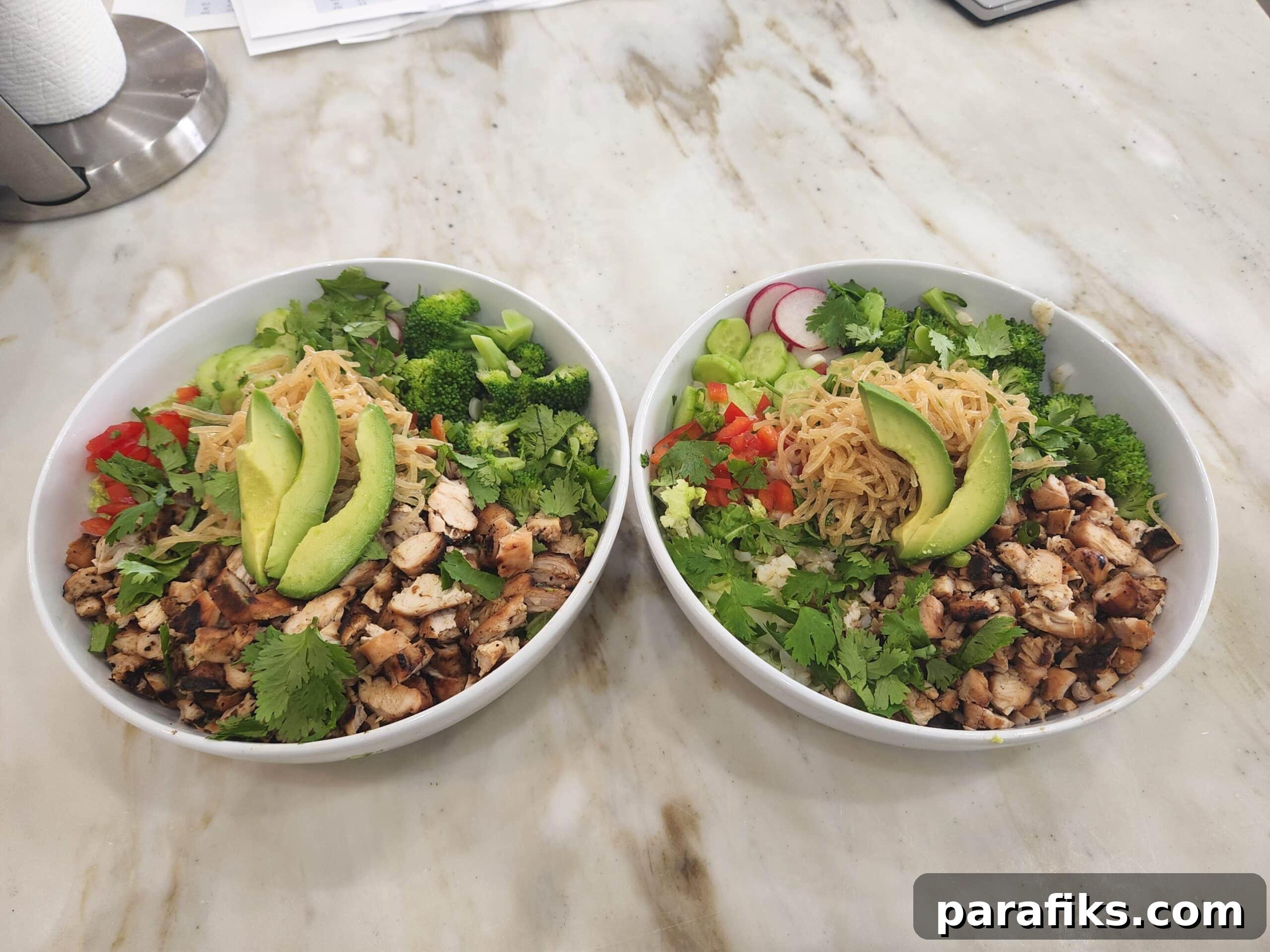
Do you want to become a personal chef and earn money by cooking for others? Many people assume culinary careers mean long nights in restaurant kitchens, but personal cheffing offers a different path: customized meals, flexible schedules, and the chance to build a business around your passion for food.
In this article, Jessica Leibovich of Chef Jessica—an experienced personal chef—shares practical insight on what the job entails, who hires personal chefs, typical earnings, how to find clients, startup needs, and key considerations before taking your first client.
What you’ll learn
- What a personal chef does
- How much personal chefs can earn
- How to find clients
- What you need to get started
- Whether culinary school is required
- Actionable tips for beginners
If you want to turn your love of cooking into a real business, this interview provides a clear, realistic overview and practical steps to get started.
How to Become a Personal Chef and Get Paid to Cook
This interview is intended for anyone who wants to learn how to become a personal chef and earn an income doing what they love.
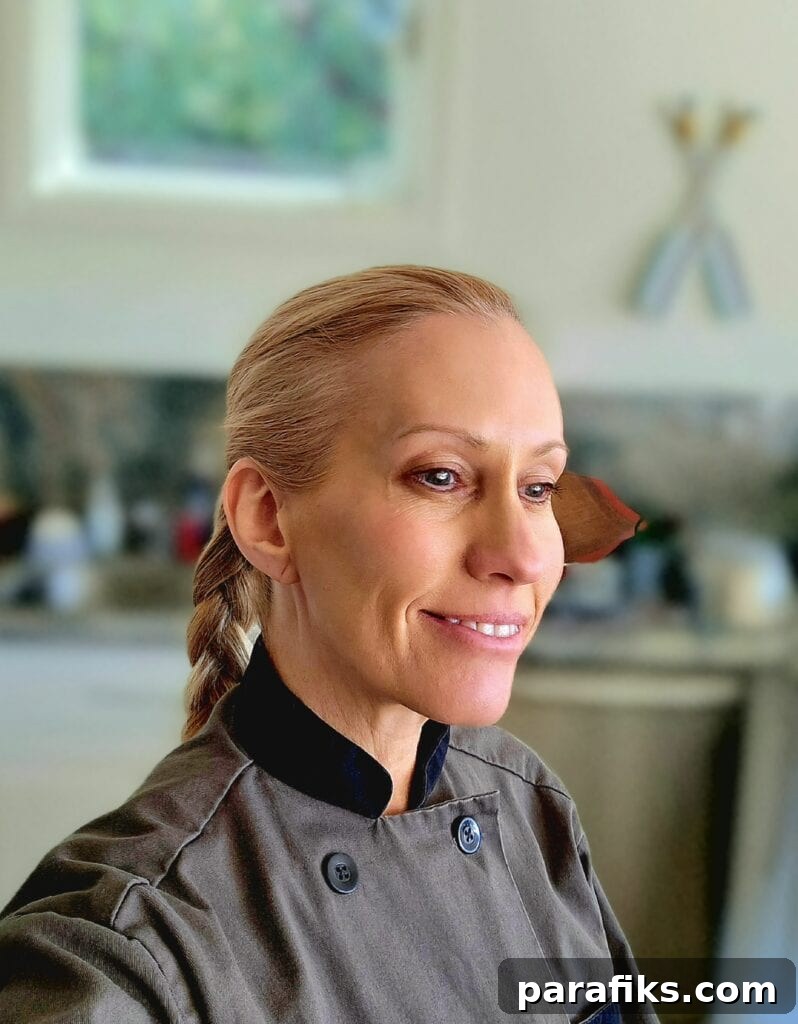
1. Tell us your story: who are you and how did you start as a personal chef?
My name is Jessica Leibovich. I began working as a personal chef in 1999 after a career in high-end catering. I studied Culinary Arts at Johnson & Wales and had a short stint studying in France, which provided a strong technical foundation—though that training isn’t required to become a personal chef.
I shifted away from catering because the long hours and stressful pace didn’t align with my goals. Someone suggested personal cheffing, and it made sense: I could use my culinary skills while gaining independence, control over my schedule, and better alignment with family life. Personal cheffing offered variety, creativity, and the chance to work directly with clients—creating a sustainable, fulfilling career.
2. How much does a personal chef earn, and how else can they make money?
Income varies by location, experience, and services offered, but personal cheffing can be very lucrative for the hours worked. Many personal chefs work weekdays with occasional evenings or weekends, a marked contrast to restaurant schedules.
Common revenue streams include weekly, biweekly, or monthly meal services, dinner parties, private cooking classes, small events, custom meal plans, and digital products like recipes or meal guides. A typical model is charging per cook day plus groceries; in some markets, a $500 cook day is common. Booking multiple cook days per week can create steady, predictable income. For example, five cook days at $500 each could equal around $10,000 per month before taxes. Adding classes or events helps diversify income without overloading your schedule.
3. What is a personal chef and who hires one?
A personal chef creates meals tailored to a household’s tastes, dietary needs, and lifestyle. Services are customized—unlike a fixed restaurant menu—and often include cooking in the client’s home, preparing labeled meals for the week, and leaving a clean kitchen.
Clients range from busy professionals and families to seniors, people with medical dietary needs, and anyone who values convenience and quality. Some chefs specialize in niches like plant-based diets or medical meal plans, but many find offering full customization works best because every household is unique.
4. How did you get your first paying client?
My first client found me through my website. Early on, I also used press releases and local media coverage to build credibility. Visibility matters: community presence, media mentions, networking, and social media examples help potential clients understand the service. Today, online lead services can also help connect chefs with clients, but in-person networking and clear local visibility remain powerful.
5. Is there room for new personal chefs today?
Yes. Success depends on location, your ability to solve client problems, and visibility. If people in your area can afford your services and you make yourself known to the right audience, opportunities exist. Offering additional skills like dinner parties or event catering can help fill slow periods. Personal cheffing is a strong option for chefs seeking independence and better work-life balance.

6. What do you enjoy most about being a personal chef?
The schedule and flexibility are huge benefits: I can work normal weekday hours, be present for my family, and avoid regular weekend shifts unless I opt in. I also value the relationships I build with clients and the positive impact my work has on their well-being—reducing stress, improving nutrition, and simplifying daily life. The role also keeps me creatively engaged since each client’s needs inspire new menus and ideas.
7. What does a typical workday look like?
On a cook day, I usually leave home around 8:30–9:00 a.m., shop for about an hour, then cook in the client’s kitchen. A full cook day often runs until about 4:00 p.m. Meals are prepared, labeled, and organized for easy reheating, and I always leave the kitchen clean. Administrative tasks—menu planning, client communication, marketing—are done outside of cook days.
8. What are the startup costs?
Startup costs are low. The most important asset is a reliable vehicle for shopping and travel. Because you typically cook in clients’ kitchens, there’s no need for a commercial space or expensive equipment. Bring essential tools like your knives, a few cutting boards, tongs, labeling tape, and a marker. Focus on professionalism, organization, and communication rather than large equipment purchases.
9. Do you need certifications, licenses, or insurance?
Formal culinary certifications aren’t required. Personal cheffing is a private service delivered in clients’ homes, not a public retail food business, so food licensing rules differ from restaurants and caterers—check your local regulations. Carrying small business liability insurance is highly recommended; it’s affordable and provides important protection. Legally establish your business—sole proprietor, LLC, or S-corp—based on advice from a CPA to manage taxes and liability.
10. Do you need culinary school to be a personal chef?
No. Culinary school helps with technique, but many successful personal chefs have no formal culinary education. The role requires adaptability, strong listening, organization, and a service mindset—cooking the client’s way, not your own. Real-world skills, food safety awareness, and consistent professionalism matter more than formal credentials.
11. How should you price services and what mistakes should you avoid?
Pricing should protect your time and create stability. Don’t price only for the single cook day; account for planning, shopping, communication, and the expertise you provide. Many chefs undervalue themselves—charging too little undermines sustainability. Structure agreements to provide recurring income and charge confidently for the transformation you offer: time savings, reduced stress, and improved nutrition.
12. How do you find clients?
Start by defining who you want to serve—clarity helps shape messaging, pricing, and where you appear. Build visibility through networking, community involvement, partnerships, media, and targeted presence where your ideal clients spend time. Plan a realistic transition: it typically takes months to build a steady roster, so consider a financial cushion or part-time work during the startup phase. Consistent outreach, strong service, and word-of-mouth referrals grow a long-term client base.
13. What resources are available to help new personal chefs?
There are starter guides, price- and visibility-focused masterclasses, and full courses that cover positioning, client relationships, workflow systems, pricing strategy, and long-term planning. These resources aim to shorten the learning curve and help chefs avoid common mistakes by sharing decades of real-world experience.
14. Advice for someone nervous about starting?
Start small—take one client on weekends, or cook for a neighbor or family member as a trial. Treat it as a business from the beginning, even at a small scale. Personal cheffing demands organization and consistency because clients rely on you for their weekly nutrition, but it can also be deeply rewarding. If you enjoy cooking, helping people, and working in clients’ homes, begin gradually and see how it fits your life.
If you love cooking, would you ever turn it into a business like this?
Recommended reading:
- 46 Fun Jobs That Pay Well
- How To Make Money By Becoming A Cooking Instructor
- 10 Ways To Make Money Baking
- How I Earned Up to $4,000 Per Month Baking Dog Treats
- 8 Best Places To Sell Baked Goods
- How To Make Extra Money By Starting A Home Bakery