
Hello! Enjoy this blog post from a blog friend of mine. Veronica has an AWESOME story to share and hopefully this post will help teach you how to sell on eBay.
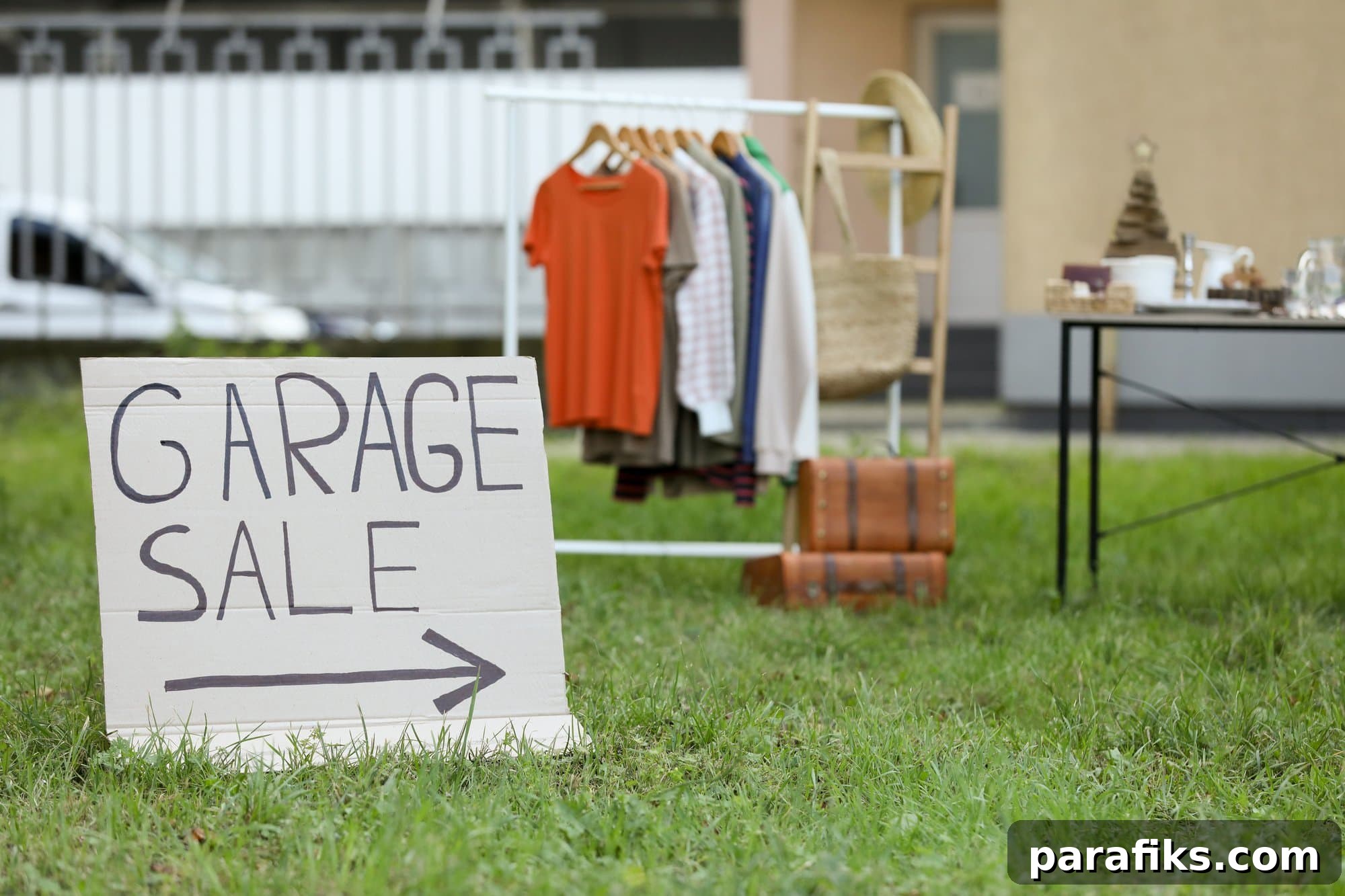
Have you ever hosted a garage sale and found people arriving hours early to sift through what you consider junk? Did they seem unusually eager to grab items you were ready to discard?
If that sounds familiar, those shoppers likely weren’t hoarders — they were “flippers,” and the item you sold for fifty cents might have covered their bills for the month.
My name is Veronica, and I am one of those flippers.
My husband Andrew and I are both full-time healthcare professionals, part-time resellers, bloggers, and seekers of financial independence. We supplement a frugal lifestyle by buying at garage sales, estate sales, and auctions, then reselling items on eBay. Over the past few years this strategy has helped us make a significant dent in our debt.
So far we have paid off $96,500 in student loans, our $15,000 wedding, $5,000 in credit card debt, a $6,500 car, and more than half of our mortgage — $76,600 and counting.
No, we didn’t inherit money or win the lottery.
Our approach is simple: live frugally and flip secondhand finds on eBay. We hunt weekly at garage and estate sales and auctions for items we can resell for a profit.
While most people are sleeping in on Saturday mornings, we’re up at dawn, cash in our fanny packs, standing in line with other flippers, ready to spot treasures. Success is a mix of knowledge and skill — recognizing antiques, collectibles, designer names, and niche items determines how much you can earn. There’s a whole community of people who make a living from other people’s “seconds.”
This year alone, my husband and I have made about $13,000 selling on eBay part-time. Below are the key strategies that have helped us succeed.
Master Your Craft
Choose a niche that matches your interests if you want to learn how to sell on eBay. Shoes, vinyl records, designer clothing, jewelry, glassware, sports gear, electronics, artwork, or toys are all examples of focused categories you can specialize in.
Pick something you already enjoy, because you’ll likely know more about it than you think. Research won’t feel like a chore, and you’ll be motivated to learn more. Once you’ve chosen a niche, search your home, visit garage sales and thrift stores, or check Craigslist for inexpensive or free items to begin learning and building inventory.
Do Your Research
If the word “research” makes you think of libraries and index cards, relax — this is eBay research. Start by searching eBay for the exact or similar item using a few descriptive words. Scroll through pictures until you find a match, then refine your search using the listing’s title words to get targeted results.
From this quick lookup you’ll learn two critical things: how similar items are priced and how other sellers describe them. Those insights guide your pricing and listing approach and help you decide whether to buy an item at a sale.
Make Your Smartphone Earn Its Keep
We don’t pay for our smartphones — they pay for themselves. With the eBay app, we can research items instantly while on the go. We can identify an item’s value before deciding to buy it, which helps us avoid overpaying and spot bargains that others miss.
Surprisingly, many buyers—especially older collectors—don’t use their phones this way, so the smartphone gives us an edge. We also take photos and list items directly from the phone app. Modern phone cameras and the app’s capabilities make posting listings faster and more efficient than transferring photos to a computer and uploading from there.
Keywords Are Important If You Want To Know How To Sell On eBay
Just like SEO for blogs, keywords matter in your eBay title. Use every relevant descriptor in the listing title — it doesn’t need to read like a sentence. Early on I used cute titles and saw poorer results. When I switched to keyword-rich titles similar to successful listings, views and bids increased quickly.
More targeted keywords mean more visibility, more bids, and higher sales. The title is where visibility is won or lost, so optimize it with all the descriptors buyers might search for.
Let People Make Money Off You
This may sound counterintuitive, but a successful dealer taught us to allow others to make a small profit when they buy from us. Giving up 10–15% of potential profit keeps customers happy and encourages repeat business, speeds inventory turnover, and lets you reinvest quickly in new finds.
Sitting on an item waiting for the absolute highest price often costs you more in opportunity than the small extra profit is worth. We often buy items so cheaply that listing slightly below other sellers still leaves a healthy margin. For example, we once bought a designer bracelet for a few dollars that commonly sold for over $400. We listed it at $350 and it sold within days, while others kept relisting at higher prices with no sales.
The toughest part of this strategy is letting go of the desire to squeeze every possible dollar out of each item. Don’t be greedy — a faster turnover and smaller margin usually lead to greater overall profit.
I hope these strategies give you the confidence to try flipping on eBay. It’s not always easy to start, but it can be a profitable and enjoyable side hustle.
Come sale with us!
Author Bio: You can follow Veronica and her husband Andrew’s secondhand flipping adventures at their blog or on Twitter @2handmillionair
Are you going to try flipping after reading this? Are you interested in learning how to sell on eBay? Why or why not?