Today’s guest post is from Marc of Vital Dollar. He shares how he built several photography-related websites and, despite not being a professional photographer, achieved notable success. I found his story encouraging and hope you will too. Enjoy!
Photography can be a challenging industry. While a few high-profile photographers earn substantial incomes, many photographers struggle to make a consistent living from client work alone.
To earn a full-time income, many photographers diversify. Common paths include freelance writing for photography publications, authoring books or ebooks, creating online courses or digital products, running workshops or seminars, licensing stock images, and selling prints. These options can supplement income from client shoots.
Although I enjoy photography, I am not a professional: I never sold photos or worked for clients. Still, between 2012 and 2018 I earned more than $1,000,000 from activities related to photography.
Related content:
- 12 Work From Home Jobs That Can Earn You $1,000+ Each Month
- The exact template that helped my site earn $95,000 in affiliate income last year
- How This 34 Year Old Owns 7 Rental Homes
- How To Become a Food Blog Photographer
- 18 Ways You Can Get Paid To Take Pictures
- How To Make Money as a Travel Photographer
I didn’t try to earn money shooting weddings or selling photos to magazines. Many photographers are far more talented than I am, so I focused on a different approach.
Instead, I used blogging and digital products to generate revenue in the photography niche.
Over roughly six years I launched several photography blogs. While managing those sites I earned about $550,000, and when I later sold the blogs I received a combined $700,000 from those sales. After expenses, my net income from this work totaled $1,138,610 over those six years.
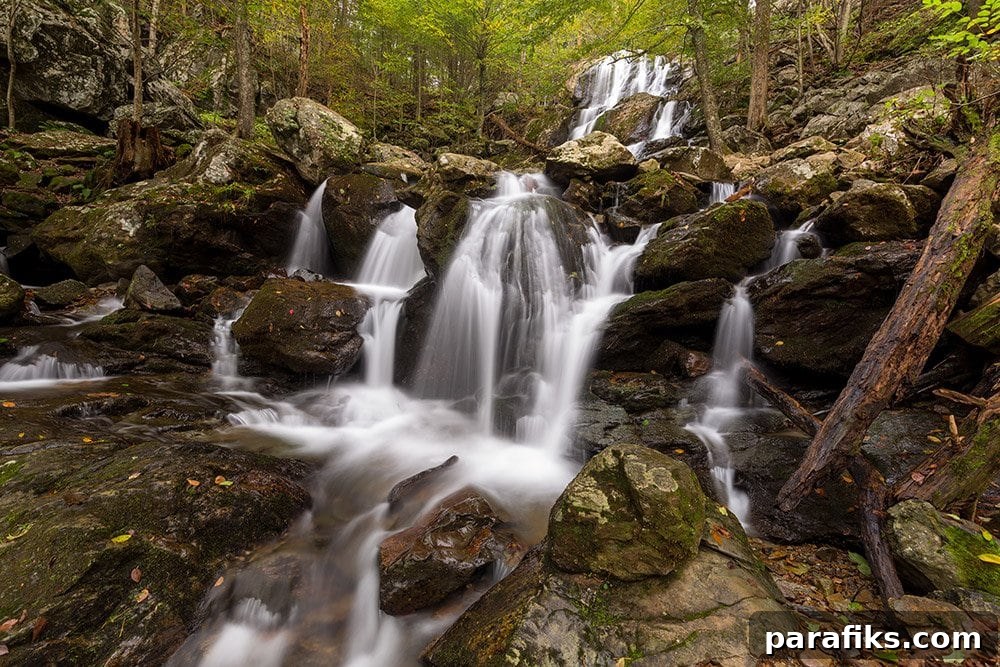
Beyond income, this work gave me an opportunity to improve my photography while doing something I enjoyed. I also got to travel to beautiful places as part of the work. Hiking through a national park was sometimes my office—though waking at 3:00 a.m. for sunrise was a sacrifice I had to make occasionally.
I believe this approach—monetizing a hobby through digital products and content—can be applied to many interests. Below I outline how I built this business step by step.
How I Got Started with Photography
For many years I had little interest in photography. Around 2010 I began photographing textures to use in graphic design. I was running a web design blog at the time, and many design blogs offered textures for sale or free download. A rusty metal texture, for example, could serve as a poster background.
I started taking my camera to parks and urban areas to photograph surfaces—stones, concrete, brick walls, and other interesting textures. I often went when few people were around to avoid awkward looks from passersby.
Learning to use my camera in manual mode was necessary to produce better images. It was frustrating at first, but as I learned more I grew increasingly interested in photography. Trips to the Grand Canyon and Europe with my wife further fueled that interest.

As I consumed photography blogs, I noticed many digital products sold to hobbyists and professionals: ebooks, courses, software, plugins, templates, overlays, Photoshop actions, Lightroom presets, contract templates, and business forms. I wondered whether I could create—or commission—digital products to sell to other photographers.
The Process for Monetizing My Photography Hobby
I had been blogging for years on other topics, so I decided to combine blogging with digital product sales in the photography niche. Here’s the process I followed.
Step 1: Created Digital Products
I began by hiring freelancers to create a selection of products on a budget of about $300, and I created some items myself using Photoshop. These were low-ticket digital products priced from $5 to $99 for instant download, plus a bundle that combined multiple products at a discount.
I chose low-cost items because they are relatively inexpensive and quick to produce, encourage impulse purchases, and can be bundled for perceived value—similar in concept to larger bundle sites but on a smaller scale.
The initial product creation took one to two months as a part-time effort.
Step 2: Set Up a Basic Website
I launched a simple WordPress website with a shopping cart to display and sell the products. Initially I had no traffic, so I didn’t expect many direct sales at first.
Step 3: Contacted Third-Party Websites
To quickly test demand, I reached out to daily deal sites and marketplaces that already served audiences of designers and photographers. These partners would promote a bundle of my products at a discount and we split the revenue. While my per-sale earnings were smaller, the potential sales volume made this worthwhile.
My first deal on a small site earned several hundred dollars and validated demand. After that initial success, I contacted additional deal sites and marketplaces to expand reach.
If you apply this approach to another niche, look for similar opportunities: marketplaces like Etsy or Creative Market, niche deal sites (e.g., AppSumo for software), or affiliates who can promote your products to their lists. Offer exclusive discounts or coupon codes to incentivize partners to promote your product.
Step 4: Created More Products
Early deals often sold the entire product bundle, which left me with nothing new to sell afterward. To support repeated promotions and grow the business, I invested in additional products—some I created and others I commissioned. Revenue from the initial deals financed this product development.
With more products, I could create fresh bundles and list items on marketplaces like Etsy and Creative Market.
Step 5: Used the Blog to Get More Traffic
While third-party deals produced income, they were inconsistent. My goal was consistent sales through my own site. I launched a blog with photography tutorials, showcases, and list posts. Because I wasn’t an expert in every topic, I hired freelancers to produce some of the more technical tutorials.
Blog content brought organic traffic. Visitors encountered product ads and gradually I generated more direct sales. Pinterest drove significant traffic early on, and Google search grew into an important source over time.
As the blog developed, I added complementary revenue streams such as affiliate promotions—avoiding direct competitors—and considered sponsored content as the audience grew.
Step 6: Used Freebies to Get Links, Traffic, and Subscribers
One of my best growth strategies was offering freebies—limited versions of paid products—in exchange for email sign-ups. I contacted other blogs and sites to link to these freebies from resource pages, which produced steady, targeted traffic. Over time other sites linked to the freebies organically, further increasing traffic and subscribers.
The email list became a reliable channel for promotions and occasional affiliate offers. Freebies let people try my work without risk and often converted to paid customers.
At this stage I had a growing catalog of low-ticket products, continuing sales on third-party sites, increasing traffic and direct sales on my own site, and a steadily growing email list.
Step 7: Duplicated the Process
After one site began performing well, I launched a second with a similar model—blog content, freebies to build an email list, and occasional deals on third-party platforms. That site began earning consistent organic sales within months. I later started a third, niche-focused site that offered fewer, higher-priced products tailored to that audience.
Step 8: Watched Sales Increase as Traffic and Subscribers Grew
By 2015 my three blogs were growing and I was earning $15,000–$20,000 per month while working part-time on the sites. The earlier work of creating products, running deals, and building content and email lists was producing predictable results.
Step 9: Sold the Blogs
In early 2016 I sold two of the blogs for $500,000 total and kept the third. I continued to grow that blog and its email list until August 2018, when I sold it for $216,000 (approximately $194,400 after broker fees). These sales pushed my net income from the photography projects above the $1 million mark.
Selling a website or blog is a personal decision. While selling ends ongoing income, it also frees time and provides a sizable one-time return—often equivalent to two or three years of profit for the right buyer.
Conclusion:
The core elements of this approach are straightforward:
- Create digital products that serve your audience.
- Leverage other people’s audiences—through deal sites, marketplaces, or affiliates—to get initial sales.
- Use freebies to attract links, traffic, and email subscribers.
- Leverage the email list to drive repeat sales and promotions.
Monetizing a hobby makes work more enjoyable. If you want to turn a hobby into income, consider what digital products you could create and use a blog and email list to promote them.
Marc runs the personal finance blog Vital Dollar. He has worked online full-time since 2008 and has created a free report on How to Make Money with Your Hobby.