
Hello! Today I’m pleased to share an excellent article from Jorden Makelle, owner of Writing Revolt. Jorden is a student of my Making Sense of Affiliate Marketing course, and she’s sharing how she earned $59,977.50 from affiliate marketing on her blog in a single year. If you don’t have a blog yet, consider joining my free How To Start A Blog course. Enjoy!
When I launched my blog in late 2015, I had only a vague idea of what affiliate marketing was. Once I realized I could genuinely help my audience and earn an additional income by promoting products I already used and trusted, it felt like a clear win-win.
I dove in fully. Today, affiliate marketing provides a reliable revenue stream for my site. From July 2019 to July 2020, my affiliate marketing efforts generated roughly $59,000 in revenue. Equally important, my readers benefit from the tools and resources I recommend, and I love seeing them succeed using the same products that helped me grow my business.
If you’re a beginner blogger, you might wonder how large an audience you need to achieve similar results. The good news: you don’t need massive traffic or an enormous audience to succeed.
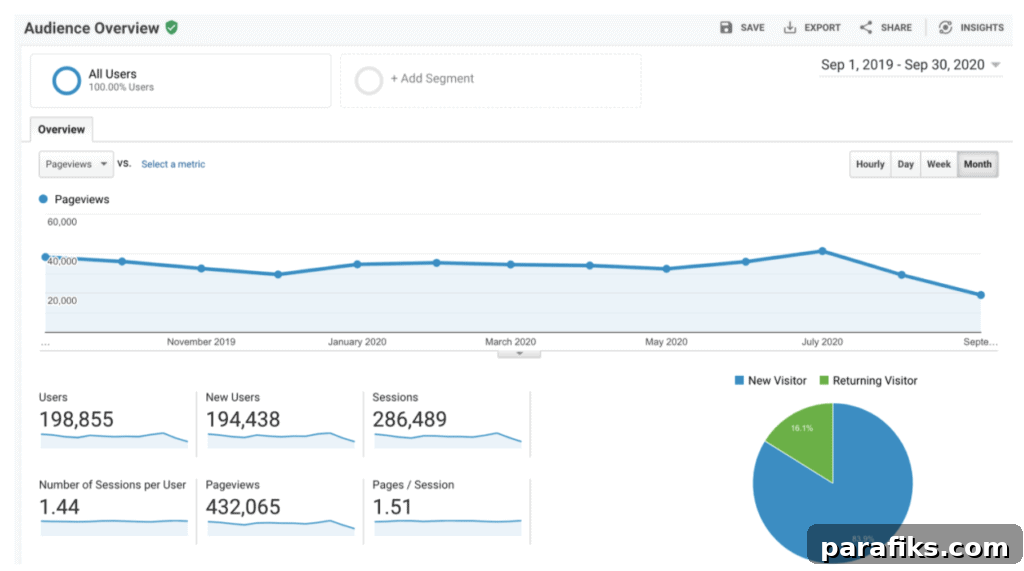
The key is following a step-by-step process and dedicating focused effort. Below I outline the exact strategy I used to generate significant affiliate income from a small niche blog.
How I Made $59,977.50 in Affiliate Income in One Year from a Small Niche Blog
Step One: Define a clear big-picture marketing strategy
Success starts with fundamentals. Be specific about:
- Your niche. Clearly communicate your niche across your site. The more specific, the better your marketing and affiliate results.
- Your target customer. Narrow down who you serve. For example, “people who want to learn yoga for flexibility” is more useful than a generic “people who want to work out.”
- How you’ll promote affiliate links. You don’t need every detail up front, but have a general promotion plan you can refine.
My blog, Writing Revolt, teaches freelance writers how to find clients. With a tight niche and audience, I focused on recommending the best tools and products to help writers launch and grow their businesses.
I asked myself: within my niche, what are the biggest pain points I can solve as an affiliate? That question guided my product choices.
Step Two: Analyze products you already use and trust
I listed every software and tool that helped me build my freelance business, then checked which of those had affiliate programs. For each product, I mapped how it relieved a specific audience pain point. Examples included:
- Bluehost for affordable domain and hosting—ideal for beginner writers who don’t want to spend a lot setting up a site.
- FreshBooks for simple invoicing—perfect for writers who need an easy, professional invoicing system.
- Divi WordPress theme—for non-coding users who want a simple way to build a WordPress site.
I only promote products I’ve used and can fully endorse. Ethically recommending useful tools maintains the trust of your audience—something I prioritize over quick earnings.
Step Three: Apply to affiliate programs and build relationships
Find each product’s affiliate program (a quick Google search often works), and fill out the application thoroughly. Read the affiliate terms so you understand any promotional restrictions.
After acceptance, respond politely to any affiliate manager outreach. Building a good relationship can get you inside information on promotions and sometimes even higher commission rates. Few affiliates take this relationship-building step, so doing so helps you stand out.
Step Four: Create evergreen, tutorial-style posts that solve specific problems
With your niche and affiliate links ready, create content that genuinely resolves your audience’s pain points while naturally incorporating affiliate recommendations. For example, rather than writing generic posts about hosting, I created a comprehensive tutorial on how to build a freelance writing portfolio site, where Bluehost was recommended in the domain and hosting section.
That tutorial produced thousands of dollars in affiliate income and received regular reader feedback about how helpful it was. I used the same approach for FreshBooks, showing how to create professional invoices as part of a tutorial that included my affiliate recommendation.
Make your posts highly practical and detailed—screenshots, step-by-step instructions, and specific guidance. Use SEO techniques and social platforms like Pinterest to drive targeted traffic. The better the content, the higher the conversion rate.
Step Five: Mention affiliate products wherever it makes sense
Share affiliate links within courses, YouTube videos, email tutorials, and a centralized resources or tools page. For example, my Killer Cold Emailing course includes a section on my preferred cold-email tools, making it natural to share affiliate links.

Where you place links depends on your business model and audience. Always follow affiliate program rules for promotion.
Step Six: Track performance and optimize
When I wanted to double monthly sign-ups without doubling promotion effort, I analyzed which content pieces converted best for each product. Then I optimized those pages to increase conversions without being pushy.
One simple change that boosted conversions was highlighting affiliate links and related information in a bright color within posts. That visual emphasis made links more noticeable and increased clicks and sales. Small optimizations like this can yield big gains when applied to content that already performs well.
Set a clear focus period where improving affiliate income is your main priority. Test, measure, and iterate—the results will follow.
Step Seven (optional): Negotiate higher commission rates
Once you’re driving consistent results for a product, consider asking for a higher commission. Even a modest increase per sale can add up quickly. Before negotiating, do three things:
- Research and set a realistic goal. Look for publicly available commission ranges and choose a reasonable ask.
- Improve results before you ask. Show an upward trend in conversions to make a stronger case for higher rates.
- Maintain a positive relationship with the affiliate manager. Friendly, consistent communication increases your chances of success.
Negotiation success depends on preparation. Build results and relationships first, then make a concise, data-backed request.
Start your affiliate marketing journey
Affiliate marketing rewards long-term effort. You won’t always see instant, massive results, but with a thoughtful approach—choosing the right programs, creating high-value content, and prioritizing your audience’s trust—you can earn substantial income even with a small, focused audience.
When you genuinely care about helping readers and consistently publish in-depth, useful content, they’ll be eager to try the products you recommend. That creates a true win-win: your audience benefits, and your business grows.
Author Bio: Jorden Makelle is the founder of Writing Revolt, where she teaches freelance writers how to build profitable businesses online through courses like the best-selling Killer Cold Emailing program. With over seven years in online marketing, she enjoys songwriting, performing, traveling full-time, and spending time with her two Chihuahuas.
Do you have any questions for Jorden? What’s your favorite way to make money blogging?