Today I’m pleased to share a guest post from Patrick Schulte of Bumfuzzle. Patrick left his job nearly twenty years ago to travel full-time with his wife. They have circumnavigated the globe by boat, driven from Alaska to Argentina, and toured Europe in a 1958 VW bus. Here’s how they made it happen.
Life used to feel simple when I was content with the conventional American Dream.
I walked to work from my downtown Chicago condo, spent a few hours trading commodities, picked my wife up from her job, went out to dinner, watched TV, and went to bed. On weekends we might catch a Blackhawks game.
It was relaxing, easy, and comfortable. We had plenty of money, a nice home, a convertible, and we were still in our twenties.
Most people would have called that lucky, had a baby, and moved to the suburbs—complete with a white picket fence.
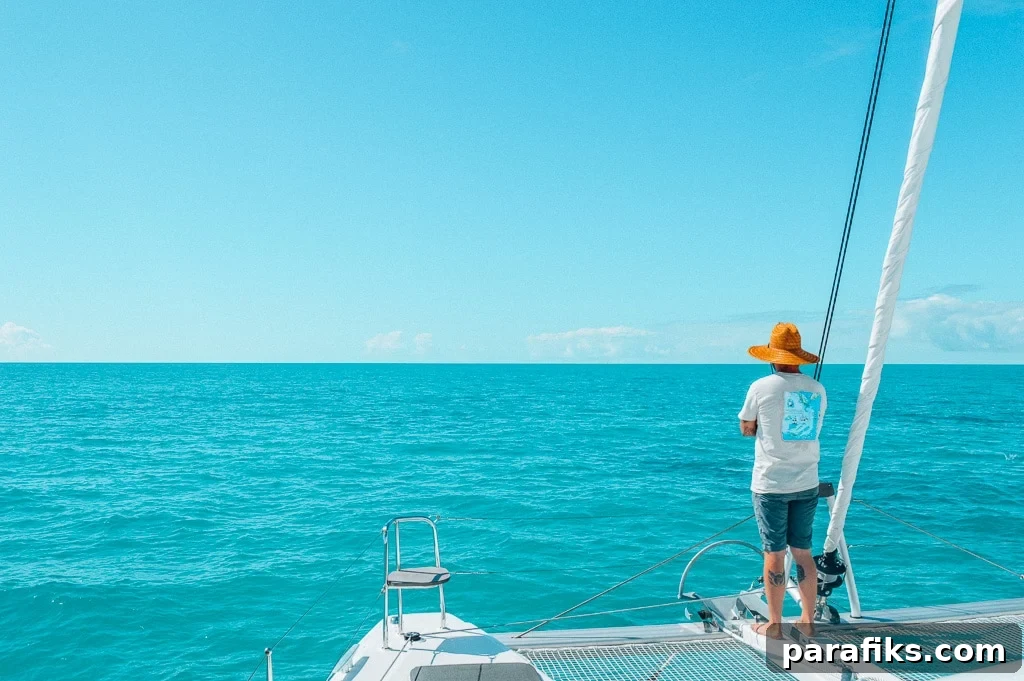
Instead, within a few months we found ourselves anchored on a 35-foot catamaran in the Bahamas. It was the kind of dramatic left turn that, in movies, makes the passenger door fly open.
My wife and I decided we needed an adventure. We pooled our savings, sold nearly everything, bought a boat, and set off to sail around the world.
Financially it didn’t make much sense—especially twenty years ago, when becoming a digital nomad was almost impossible. But we were young, debt-free, and full of confidence. We expected to return to Chicago four years older and with great stories, resume our old careers, and pick up where we left off.
We did get older and collected many stories, but somewhere along the way we realized we didn’t want to go back to our previous life. After four years away, visiting 40 countries and meeting people across the financial spectrum—from those with almost nothing to billionaires—we no longer had any interest in the old routine.
That realization left a big hole in our plan to return to Chicago and start over.
Fortunately, I had been a self-employed commodities trader. During our travels, the world shifted toward online work and trading became much more accessible. That change allowed me to continue earning while living a nomadic lifestyle.
We have now been full-time travelers for twenty years.
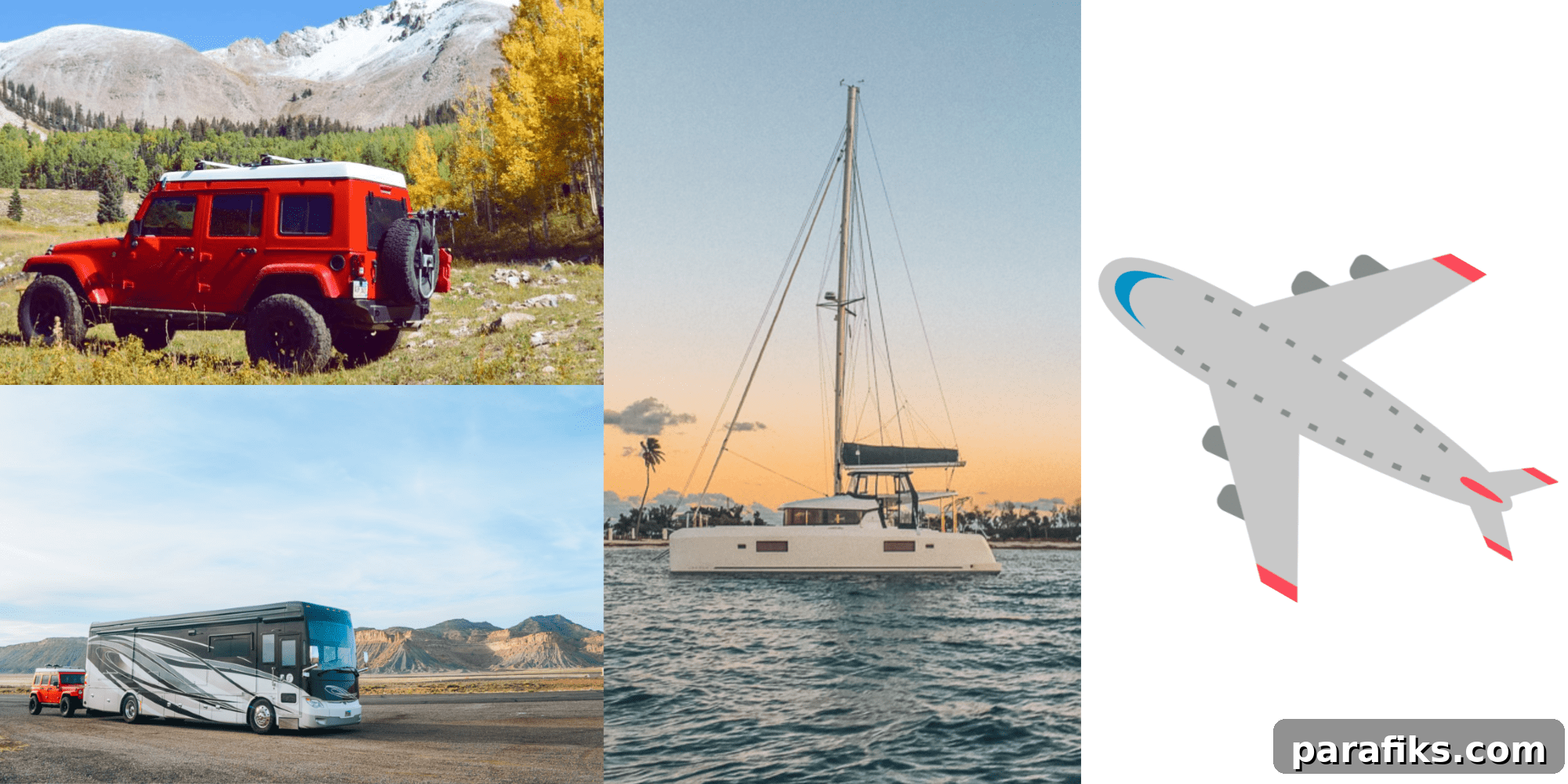
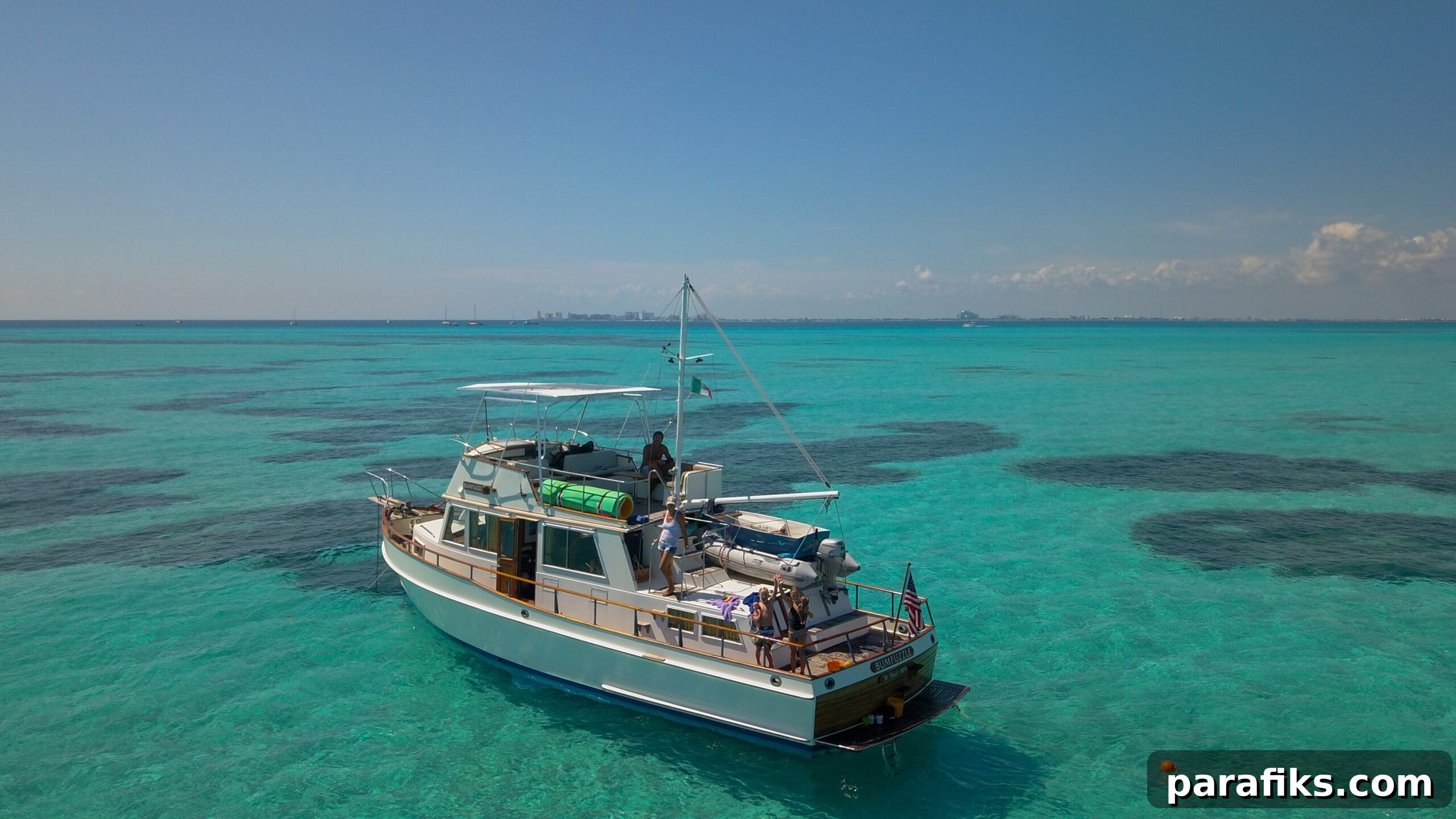
Besides sailing the world, we’ve driven large stretches of it. We’ve lived in various vintage vehicles and are currently anchored in Aruba aboard our third boat. Along the way I supported our life through stock trading, wrote two books, and launched an online investing business to help others pursue a similar path.
Track Your Spending
Tracking spending is fundamental and yet rarely done well. You can’t make meaningful financial progress without knowing where your money goes.
For years my wife carried a small notebook everywhere and recorded every expense—down to ten cents of fruit bought in a market in Eritrea. That level of detail may seem extreme, but it meant we never had to guess why our balances changed. Anomalies were obvious and we could adjust quickly. Over time we could estimate monthly expenses for categories like food and entertainment almost to the penny before reconciling accounts.
Knowing your spending allows you to make changes that compound over months and years. Small savings on repeated expenses can add up to substantial extensions in how long your savings will last. In my book Live on the Margin I call this “extending the burn”: small adjustments can stretch a one-year travel budget into an eighteen-month trip with little change in enjoyment.
Start Investing…Yesterday
The stock market scares many people, which keeps them from enjoying its long-term benefits. In 2021, Gallup reported just 56% of Americans owned stock in some form—down from nearly 67% in 2002. Many who left the market during the Great Recession never came back, to their detriment.
Ownership is concentrated: the top 10% of Americans hold about 89% of the stock. Participation matters for wealth creation. The earlier you begin investing, the more time you give your money to grow through market cycles. Even amid spending for travel, having investments that appreciate can prevent your principal from stagnating—something a checking or savings account won’t do.
I opened investment accounts for my children when they were young and contribute regularly. We pick stocks together and discuss investing concepts so they’re prepared financially as adults. While we sailed, passive investments backed our travels and grew roughly 50% over that period—helping fund our lifestyle while still compounding wealth.
Build First, Then Get Aggressive
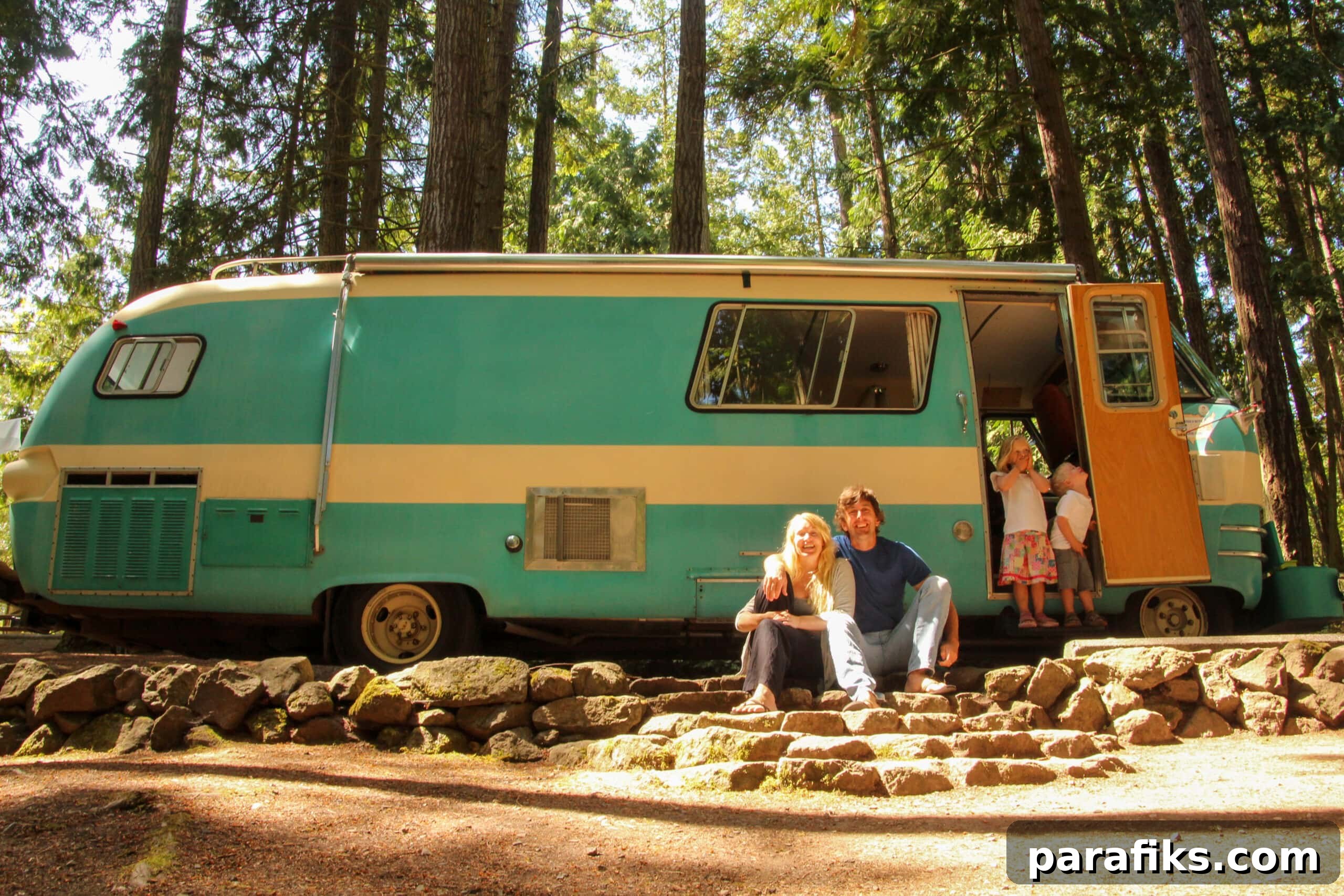
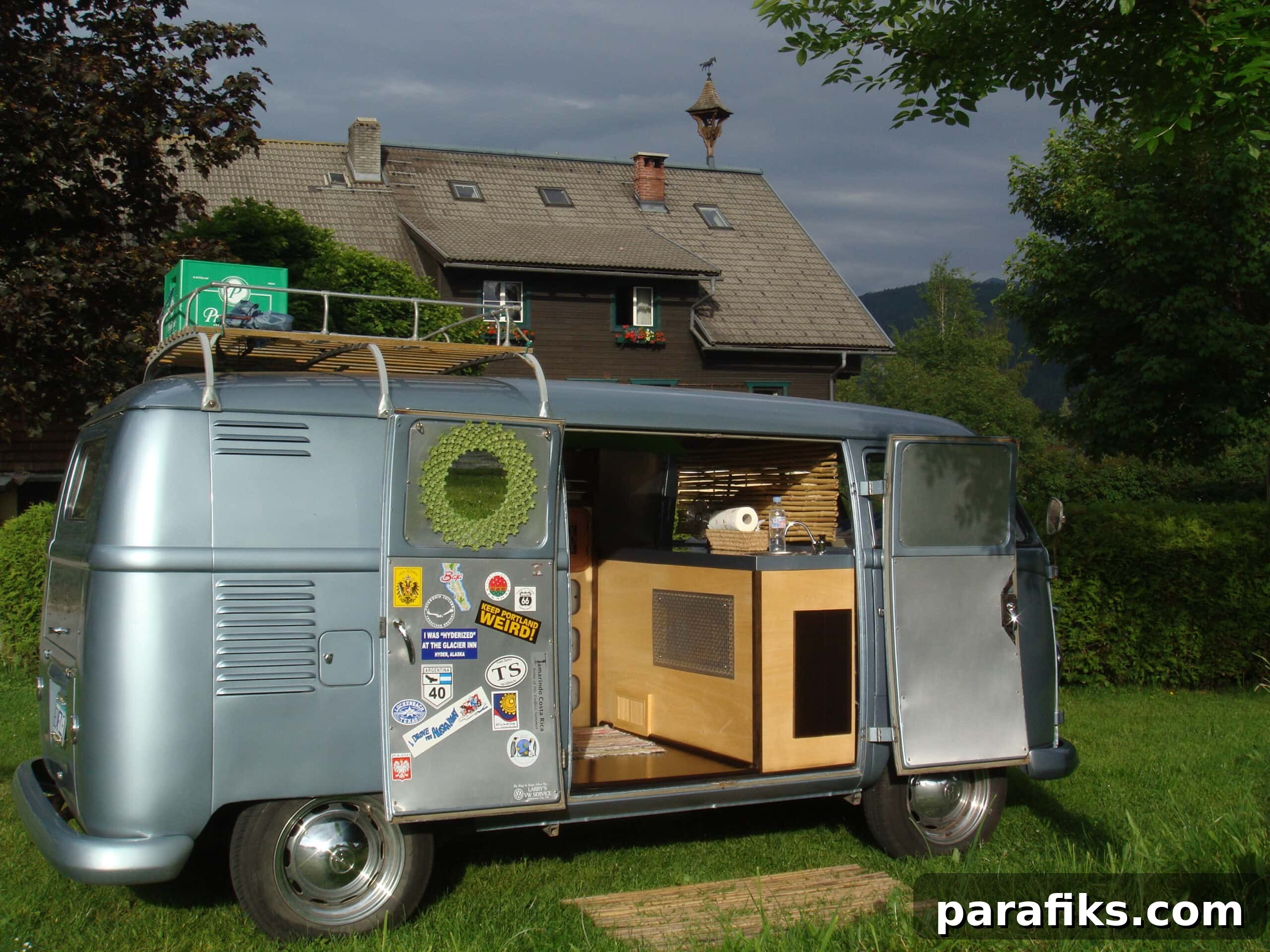
After our circumnavigation we restored a 1958 VW bus and drove from Alaska to Argentina, then around Europe. With better internet access on land, I shifted to a more active trading approach. As a lifelong trader, that suited me, but it isn’t right for everyone.
Recent years have seen an explosion of small retail trading accounts—many opened through zero-fee platforms. While more people participating in the market is positive, many of these new accounts are tiny. For example, median account sizes on some apps can be only a few hundred dollars. That’s not enough to benefit from active trading without significant risk.
My advice for new investors: focus on buy-and-hold growth strategies first and aim for a reasonable portfolio threshold—$20,000 is a sensible target—before attempting aggressive trading. Build capital, learn the markets, and, if you plan to trade more actively, seek mentorship from experienced traders.
Share Your Knowledge
During our VW bus journey my wife became pregnant. We confirmed it with a test in Rio de Janeiro and spent time traveling through Europe before returning to the U.S. We later drove to Mexico to welcome our child near the beach.
While in Mexico I began exploring additional income streams. The simplest approach: turn what you already know into a product or service that helps others. We all have skills—broad or niche—that took years to develop. Use that expertise to teach or to create an online business.
Examples: speak a second language? Offer tutoring. Skilled at welding? Create online courses. Know programming? Freelance or build a product. I self-published books and built an audience through my travel blog, which made publishing a natural next step. My book Live on the Margin targeted people who wanted the kind of life we were living.
That book generated questions and led me to offer trading instruction. Over time that grew into Wanderer Financial, where I teach people to invest and trade so they can pursue financial independence. My subscribers get a daily live chat, market commentary, trade alerts, and educational material. My work typically takes a few hours each morning, after which I’m free to spend the day with my kids or explore the island we’re anchored near. The business fits the life rather than dictating it.
Wants vs. Needs
Before having kids, people often warned us that life would be over once we became parents. They were likely reflecting their own experiences, but we wanted a different path.
Studies estimate the cost of raising a child to age 18 can be a large figure, often influenced heavily by lifestyle choices—housing being a major factor. We chose to raise our children in boats and motorhomes, prioritizing an outdoor, mobile lifestyle that eliminates traditional housing costs.
Our kids have always shared a room, which was once common but is now often considered unusual. Many modern expenses labeled as “needs” are actually wants: individual bedrooms, frequent dining out, or the newest car. To control spending, I have a personal rule: don’t buy anything unless I want it at least three separate times. That simple test helps prevent impulse purchases and forces thoughtful decisions.
Our children—now twelve and ten—have never lived in a conventional house. They call our boat home, speak two languages, were swimming by age two and scuba diving by nine, and could pack their belongings into a single suitcase. They are close, well-adjusted, and have had a childhood full of experiences rather than possessions.
Everyone’s choices will differ, but the important point is to recognize alternatives. The digital nomad lifestyle offers opportunities that aren’t obvious if you assume the traditional American Dream is the only route. Decide what you truly value, distinguish wants from needs, and shape your life accordingly.
Living the Life You Truly Want
For the past twenty years I’ve lived the life I wanted. I’ve traveled to roughly 70 countries while carrying my home with me—boat, VW bus, or motorhome—and answered to no one. I’ve raised two thoughtful children, maintained a strong marriage, built successful businesses, and pursued my passions.
Much of this comes from the lifestyle choices we made and from the possibilities enabled by the internet and remote work. The practices I described—tracking spending, investing early, building assets before taking on risk, and teaching what you know—are the building blocks that helped us create this life. I hope others can apply these principles to design their own version of a meaningful, free life.
Author bio: Patrick Schulte is a full-time world traveler and lifelong trader. He runs Wanderer Financial to help others invest successfully and pursue financial independence. He is currently in Aruba aboard his boat Bumfuzzle, where he continues to sail to new destinations. He has been blogging at bumfuzzle.com for the past twenty years.
Are you interested in traveling full-time? Why or why not?