

Wondering whether iLending is the right service to help you lower your car payment? This iLending Review explains how their process works, how much you might save, and whether refinancing your auto loan could make sense for you.
Many people don’t realize car loans can be refinanced. While refinancing is commonly associated with mortgages, refinancing an auto loan is another effective way to lower monthly payments or reduce the total interest you pay over the life of the loan.
If your current monthly payment feels too high or your credit score has improved since you first financed your vehicle, refinancing is worth considering. That’s where iLending steps in.
iLending customers report average monthly savings of about $145 — roughly $1,740 per year.
Examples of successful refinances through iLending include:
- Famatta reduced an interest rate from 35.69% to 13.6%, cutting her monthly payment by $371 and saving more than $4,400 a year.
- David refinanced both an RV and a truck and saved $3,600 annually.
- Alan lowered his rate from 8.4% to 5.7% and trimmed his monthly payment by nearly $100.
- Todd and Heather dropped their rate from 18.5% to 4.6%, saving about $8,500 over the life of the loan.
This review covers what iLending does, why auto loan refinancing may be beneficial, how much you could save, and the typical steps involved. It also answers common questions about refinancing a car loan.
iLending Review
Below is a detailed look at iLending and how their car refinancing process works.
What is iLending?
iLending is a broker that helps people refinance auto loans by connecting applicants with a network of lenders, often including local credit unions. They are not typically the direct lender; instead, they match borrowers with partner lenders that may offer better terms.
iLending can help refinance cars, trucks, vans, motorcycles, boats, and RVs.
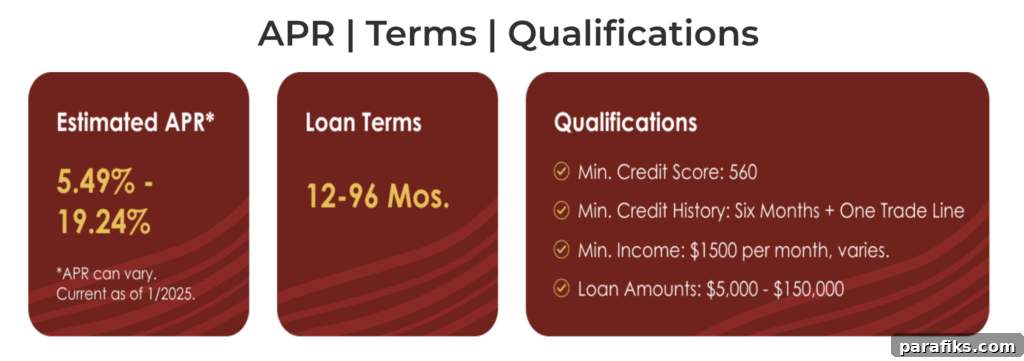
Estimated APRs available through their network generally range from about 5.49% to 19.24%, depending on factors such as credit history, vehicle type, and prevailing market rates.
The process begins with a short, no-impact application to check rates. If you decide to proceed, iLending will pull credit as part of finalizing the refinance, which can affect your credit score. After the initial quote, a dedicated loan consultant works with you to review offers and complete the refinance.
Over 170,000 households have used iLending to refinance, with average monthly savings reported at about $145 and an average interest-rate reduction of more than 5% for many customers.
What differentiates iLending from other refinance services:
- Personal service: Each borrower is paired with a loan consultant who guides them through the process.
- No initial credit impact: Checking potential rates via the application does not hurt your credit score.
- Wide lender network: Access to multiple lenders increases the chances of finding competitive terms.
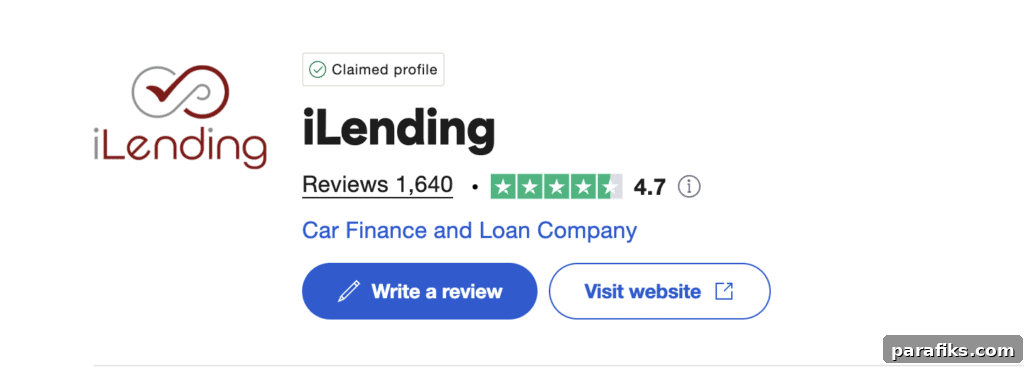
- Reputation: The company’s customer ratings indicate strong satisfaction among users.
Why someone might refinance their car loan
People refinance auto loans for many reasons:
- To lower the interest rate
- To reduce monthly payments
- To escape a high-rate or unfavorable loan
- To remove or add a cosigner
- To take cash out based on vehicle equity
A typical scenario: you bought a car when your credit was limited and took a higher-rate loan. Over time your credit improves and you can qualify for a better rate, so refinancing can reduce monthly payments and the total interest paid. Refinancing also provides options for borrowers who need to change loan ownership after life events like divorce.
How much can you actually save with car refinancing?
iLending reports average savings of about $145 per month, or $1,740 per year. Some borrowers also qualify to skip one to three payments at closing, giving short-term financial relief.
Savings of $145 a month can be redirected to essentials such as groceries, utility bills, an emergency fund, or paying down high-interest debt. Over a full loan term, savings can easily total thousands of dollars.
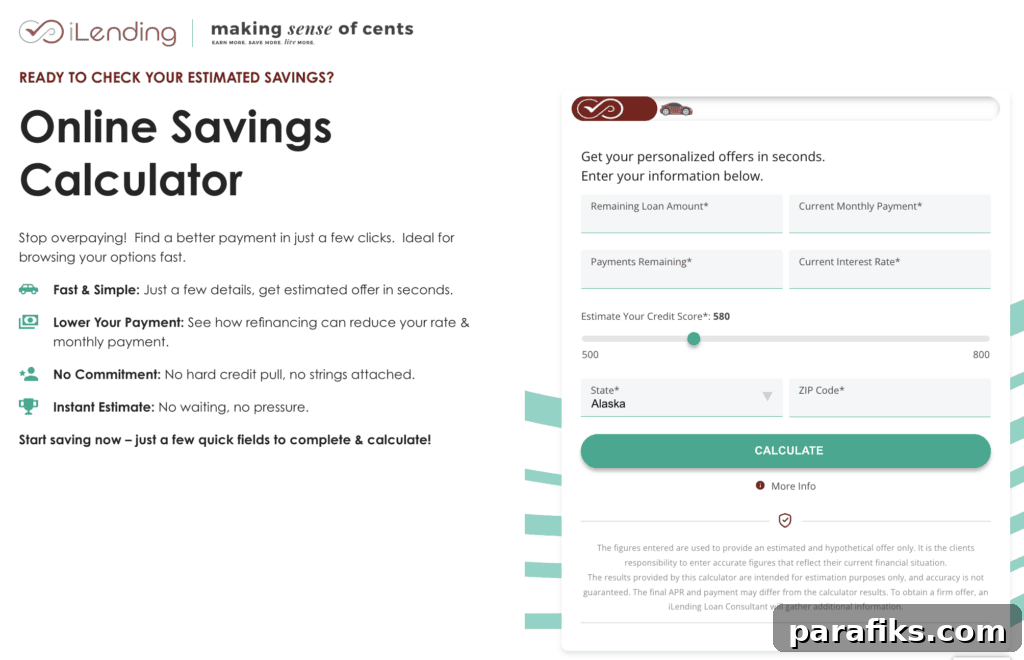
You can use iLending’s refinance calculator to estimate potential savings based on your current loan terms and what rates are available from their network.
Pros and Cons
Here are the main advantages and potential drawbacks of refinancing with iLending.
Pros:
- Free to apply and get rate quotes
- No obligation to accept an offered loan
- Access to a broad lender network for more options
- Potential for significant long-term savings
- Possibility to skip 1–3 payments at closing
Cons:
- Service is not available in Hawaii (available in the other 49 states)
- Applicants must meet lender qualifications, including vehicle age and mileage limits
How to get started with iLending
The typical refinance process is simple:
- Request a free quote online — this initial check won’t affect your credit.
- Speak with a loan consultant to review potential offers.
- Choose the option that fits your goals and finalize the refinance if you decide to move forward.
There is no pressure to proceed after checking rates, so you can explore options risk-free.
Frequently Asked Questions
Common questions about iLending and auto refinancing, with concise answers.
What credit score do you need for iLending?
iLending typically requires a minimum credit score of 560, though higher scores improve approval odds. They also look for at least six months of credit history and a minimum monthly income of around $1,500. Loan amounts they consider range roughly from $5,000 to $150,000.
What is the best refinance company for cars?
Many borrowers find iLending a strong option because of its simple application, personalized service, and the convenience of handling most steps online or by phone.
Does refinancing a car hurt your credit?
Getting an initial quote from iLending does not affect your credit. If you proceed with a refinance, a hard credit inquiry is likely and can temporarily lower your credit score. If you are in the middle of a major credit-dependent process such as a mortgage application, discuss timing with your mortgage lender first.
How much money can I save when I refinance my car loan?
Average reported savings are about $145 per month, or $1,740 per year. Actual savings depend on your current loan rate, remaining balance, and the rates available to you during refinancing.
How long does it take to refinance a car?
Refinancing can be fast—many borrowers finish in a few days when all documents are ready. Typical documents include a driver’s license, proof of insurance, the vehicle title and registration, an odometer photo, and proof of income and employment.
When is it not worth refinancing my car loan?
Refinancing may not be worthwhile if you are near the end of your loan, already have a low interest rate, or fees exceed projected savings. Always run the numbers first, and consult any mortgage lender if you’re in the process of homebuying because a credit inquiry could affect mortgage approval.
Can I refinance my car and get cash out?
Some lenders offer cash-out refinancing, allowing you to borrow against your vehicle’s equity. This can provide immediate funds but comes with risks, such as increasing overall debt or going upside down on the loan.
How can I remove a cosigner from my car loan?
Refinancing is a common way to remove a cosigner: the new loan can be issued solely in the primary borrower’s name. Alternatively, paying the loan off in full also removes the cosigner.
Can I refinance an older car?
Refinancing older vehicles is sometimes possible, depending on lender limits for age and mileage (many lenders cap mileage between 100,000 and 150,000 miles). Classic cars can be more difficult to refinance than newer vehicles, but options exist for certain situations.
Does refinancing extend your loan term?
Refinancing can extend your loan term if you choose, but it doesn’t have to. You can select a term that prioritizes a lower monthly payment or a shorter payoff period to save on interest.
How much does it cost to refinance your car loan? Does iLending charge a fee?
iLending typically charges an administrative/document fee to cover title transfers and state fees, commonly around $499. Fees may vary by state, and your loan consultant will provide the exact details during the application process.
iLending Review – Summary
Refinancing a car loan is an often-overlooked strategy that can deliver meaningful monthly and long-term savings. It’s usually quick to check rates, and you can explore options without commitment.
Consider refinancing if:
- Your credit score has improved since you got the original loan
- Interest rates have declined since you financed the vehicle
- You need to remove a cosigner or change loan ownership
How much are you currently paying for your car each month? Could refinancing help lower that payment?
Recommended reading:
- 50+ Best Frugal Living Tips to Try
- 9 Best Ways To Sell a Car and Make Money
- How To Get A Free Car – 11 Places For Those In Need
- How We Paid off $266,329.01 in 33 Months
- Here’s What You Need To Know About Becoming A Cosigner