
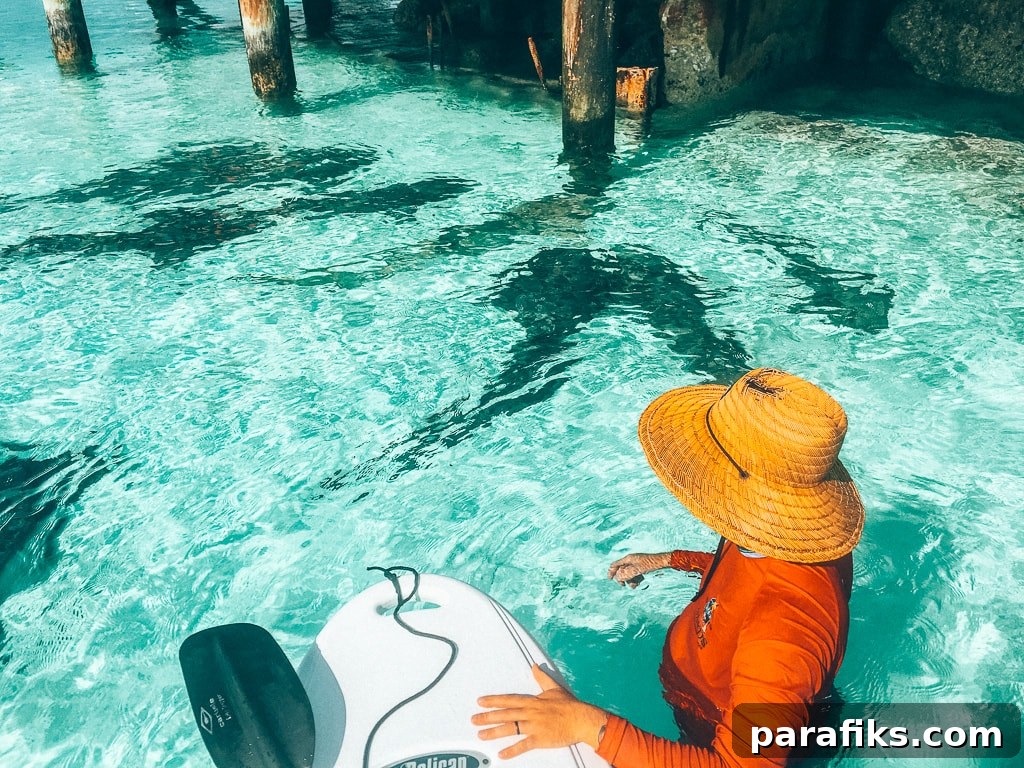
Interested in living on a boat? This article describes my experience living full-time on a sailboat and what it’s really like.
“Twenty years from now, you will be more disappointed by the things you didn’t do than those you did. So throw off the bowlines. Sail away from safe harbor. Catch the wind in your sails. Explore. Dream. Discover.” — H. Jackson Brown Jr.
It’s hard to believe we’ve now been living on a boat for over a year. When we first started, I was essentially a complete beginner at sailing. I had no idea what I was doing and often wondered if I had made a huge mistake.
You can read about how our journey began in Welcome To Paradise – We’re Living On A Sailboat!
Those early months were emotional and stressful. I cried, I worried, and I questioned our decision more than once.
But I pushed myself, learned quickly, and celebrated small victories along the way. Other sailors complimented my docking, line handling, and general sailing skills, which boosted my confidence. I’m far from perfect, but I work hard and keep improving.
We heard everything from enthusiastic well-wishes to dire warnings that we wouldn’t make it. Many people told us the first year would be the hardest, and we’ve met several sailors who quit after a few months. While I still have much to learn, I’m proud of how far I’ve come—both in sailing and in pushing my personal limits.
After the toughest first months, recent times have been incredible: beautiful sails, unforgettable sunsets and sunrises, excellent snorkeling, fun dinghy rides, abundant sea life, and meaningful visits from friends and family.
I love our boat and hate leaving it. I enjoy sailing, planning voyages, discovering new destinations, and simply being on the water. Looking back at where I started a year ago, I’m amazed at how much I’ve grown. I’m already curious to see what next year will bring.
Related content:
- The Digital Nomad Lifestyle – A Day In The Life
- Why I Love Living In A Vehicle
- What Traveling Full-Time For 3 Years Has Taught Me
- Why would you make $100,000+ a month and live in an RV?
- Common Full Time RVing Questions Part 2 – Don’t You Hate Each Other Yet?
After I asked followers on Twitter what they wanted to know about living on a boat, I received many questions by email and Instagram as well. Below I answer the most common ones.
What questions do you have for me about living on a boat? I’m writing an article on it soon!
— Michelle Schroeder-Gardner (@SenseofCents) April 15, 2019
Below are answers to common questions about life aboard and practical insights for anyone curious about making a similar move.
What it’s like living on a boat.
Did you quit RVing because you didn’t like it?
No. We loved RVing. We chose to transition to sailing because we wanted a new challenge and a different kind of adventure. Although we sold our RV, our love for overland travel hasn’t disappeared—RVing taught us a lot and remains something we value. For more on RV life, see 11 Reasons to Choose RV Life.
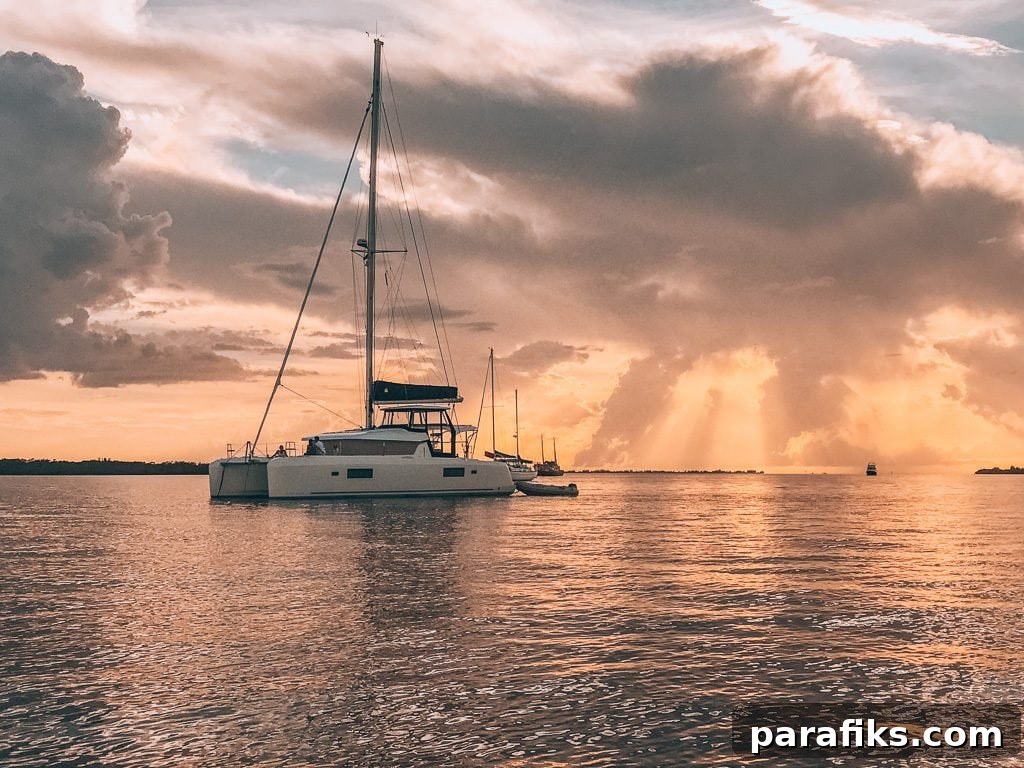
Is living on a boat as perfect as it looks on Instagram and YouTube?
No. Social media captures highlights, but life on a boat involves a lot of daily work and logistical challenges. People often say “the highs are high and the lows are super low,” and that’s true. The lifestyle is rewarding, but it requires constant maintenance, careful weather planning, and problem-solving.
One personal downside is missing some land-based activities we loved during our RV years—long hikes, rock climbing, and full-size biking are harder from a boat. Storage and space constraints limit what gear we can bring. Still, we pursued sailing intentionally because we wanted new skills, challenges, and the unique freedoms that life on the water offers.
Boating is costly and demanding, but the rewards—sailing to remote islands, exploring stunning coastlines, generating our own water and power, and moving our home with the wind—make it worthwhile.
Related: Living In A Boat Or RV? What Is Better?
What did you do the first year on your boat?
In our first year we:
- Sailed from Fort Lauderdale to St. Petersburg and stayed there for hurricane season.
- Took many day and overnight anchorages nearby to build skills and confidence.
- Added upgrades like a Code 0 sail and feathering props.
- Sailed to Key West with friends and completed our first solo overnight sail—about 33 hours together.
- Explored the Bahamas extensively: Bimini, Grand Bahama, the Berry Islands (Great Harbour Cay), Chub Cay, New Providence (Nassau), the northern Exumas, and parts of Eleuthera.
- Returned to Florida for boat work after that season.
By the end of the year I had logged roughly 3,000 nautical miles. I achieved more than I expected and felt proud of our progress.
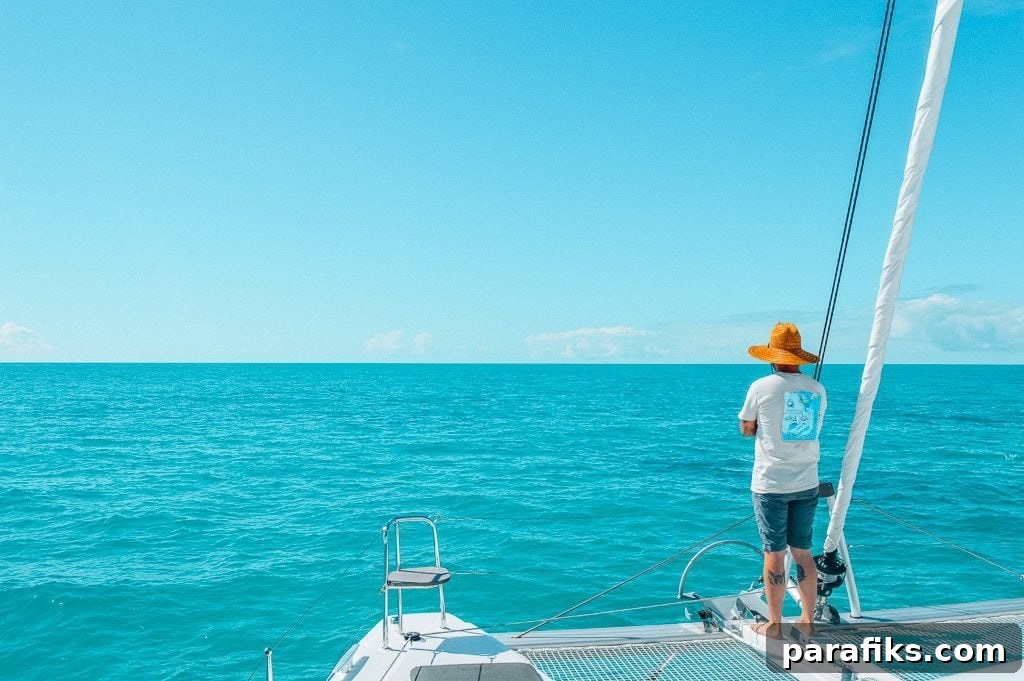
What are your future sailing plans?
We travel without a rigid long-term schedule because plans change quickly. Our current plan is to return to the Bahamas next winter and explore areas we missed—the deeper Exumas, the Abacos, more of Eleuthera, and other islands. With roughly 700 islands in the Bahamas, there’s plenty left to discover, and the area is especially convenient for those with dogs.
Related: Living In A Boat Or RV? What Is Better?
When will you be done living on a boat?
We don’t have an end date. There are still many places we want to visit and sailing goals to pursue. For now, we’ll keep going as long as it remains fulfilling and manageable.
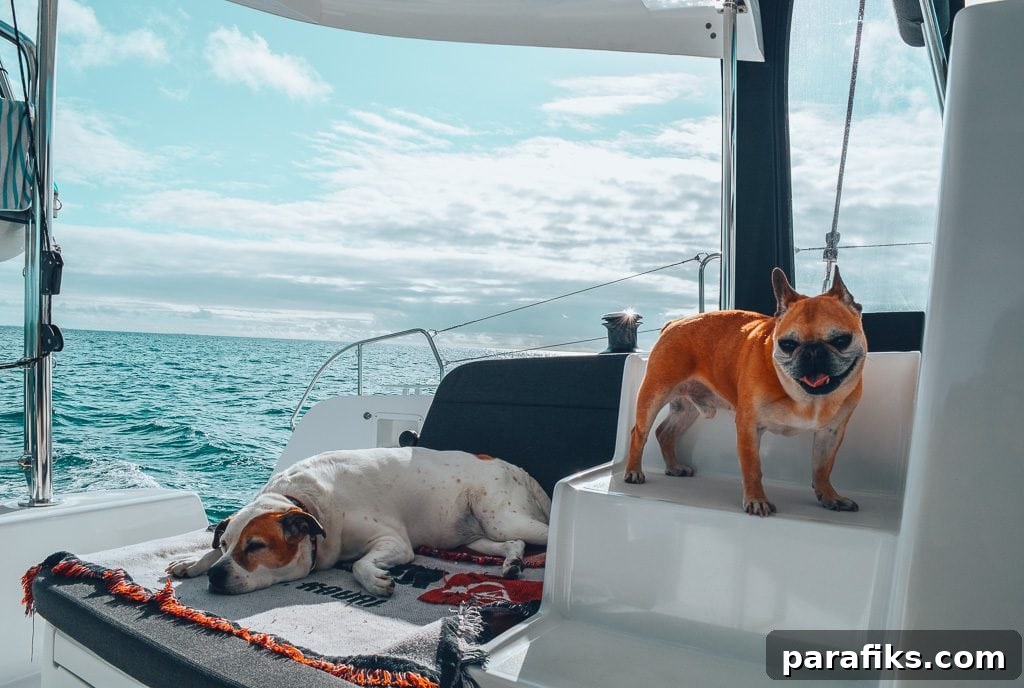
How are the dogs doing on the boat?
Our dogs are with us and doing well. We adopted them long before boat life and weren’t about to give them up. We moved them aboard gradually because they’re older and didn’t grow up on boats—taking it slowly is essential. They’ve adapted nicely: Sailor hops on and off without help and hasn’t fallen in yet.
Traveling with dogs requires extra planning. We walked our dogs frequently during RV life, and we still prioritize multiple short walks per day from the boat—about five to six times daily for our larger dog. Some cruisers re-home pets because of the challenges, but we make it work and wouldn’t leave them behind.
How do you receive mail?
We changed our residency from South Dakota to Florida once we transitioned to boat life. We use a mail forwarding service called St. Brendan’s Isle: all mail is sent there and forwarded to us wherever we are.
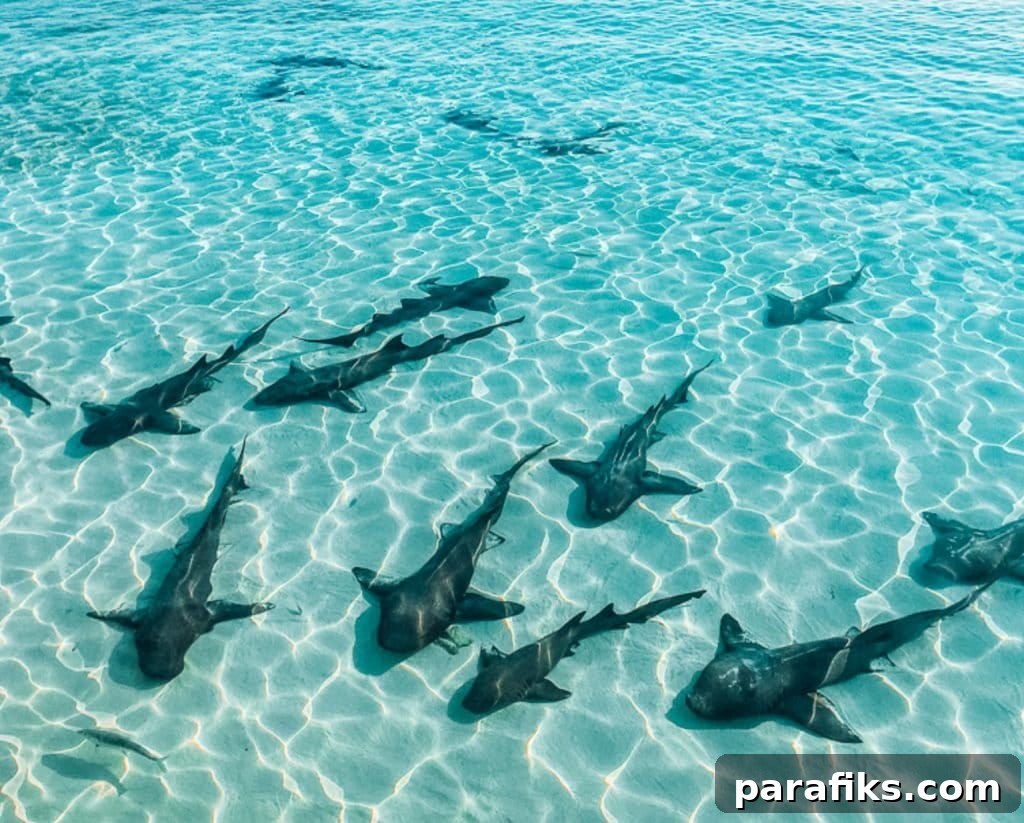
Aren’t you scared of rogue waves, sharks, breakdowns, pirates, or unfriendly places?
These risks exist, and stories of incidents are real. You can reduce risk through preparation, training, and cautious route planning, but fear alone won’t stop us. We accept the inherent risks and take sensible precautions.
How much training did you and your husband need to safely operate the boat?
Learning never ends on a boat. We trained intensively early on and have been managing things ourselves since. My partner has logged more miles and has family with sailing experience; I started as a novice. Ongoing learning and practice are part of everyday life aboard.
How do you do laundry?
We have an all-in-one washer/dryer on board. It works well, though clothes come out quite wrinkled. Laundry on board is especially handy with dogs that get dirty quickly.
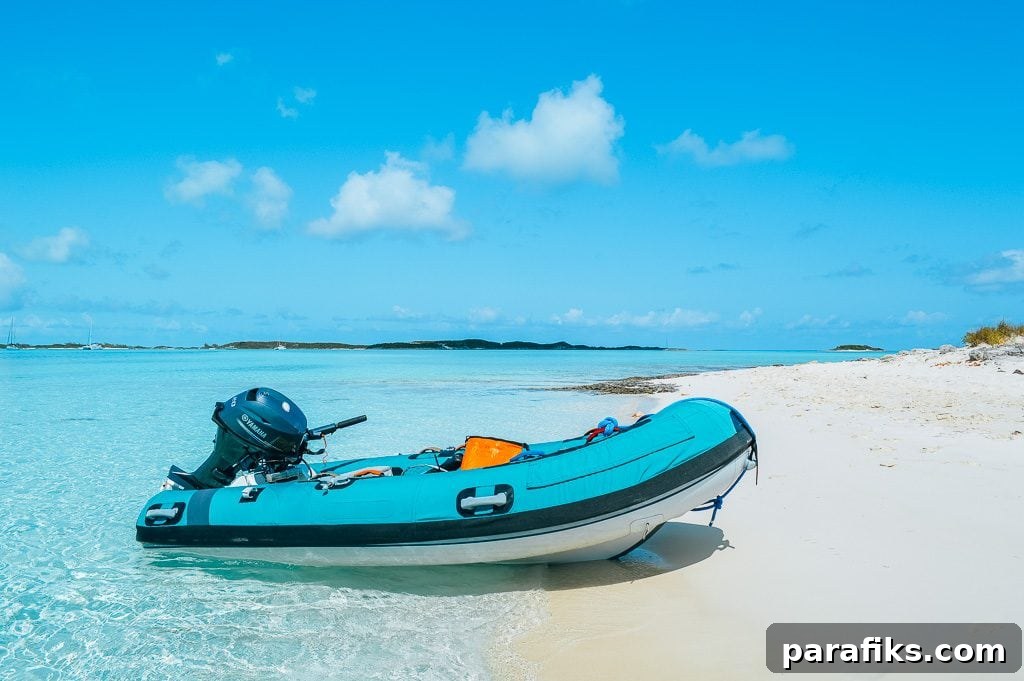
What’s the biggest difference between living on a boat and living in an RV?
I plan to write a deeper comparison, but here are key differences and similarities:
Similarities: both are homes on the move, require planning, share systems like water tanks and solar, and both offer freedom to explore.
Differences:
- Space and layout—our boat’s living area feels larger and is better for hosting, but storage is more limited compared to the RV.
- Chores—boat life requires more frequent maintenance because of exposure to wind, salt, and water.
- Travel speed—RVs can cover hundreds of miles in a day; boats travel far more slowly, so a 75-mile sail can be a long day.
- Environment—being on the water is a unique and beautiful experience, with abundant marine life visible even from the helm.
- Weather matters more—marine weather planning is critical for safety at sea.
Both lifestyles have advantages and trade-offs. Many people enjoy both at different times in their lives.
What is the best and worst thing about living on a boat?
Best: the freedom to travel by sea, the closeness to nature, seeing marine life, and our boat’s self-sufficiency (solar, watermaker, sails).
Worst: the ongoing planning, unexpected breakdowns, and bad weather. Even with a solid boat, components fail—solar gear, watermakers, props and other systems need maintenance. Boat life often feels like fixing a vessel in exotic locations.
I hope this overview gives a realistic sense of living on a boat. There’s much more to say, and I’ll continue sharing updates as we learn and explore.
What other questions about living on a boat do you have for me?