

Want to learn how to start investing as a beginner? Here are practical tips to help you begin investing even if you have very little money.
I always tell people the best thing you can do to learn how to start investing is to just begin. But if you don’t even know where to start, it can feel overwhelming, stressful, and scary.
Despite the fear, investing early is one of the best decisions you can make for preparing for retirement and building long-term financial security.
This guide breaks down straightforward steps for beginners so you can start investing and grow a retirement fund as soon as possible.
Why invest?
- Investing helps ensure you aren’t working your entire life.
- You can retire sooner instead of later.
- You’ll be able to enjoy life after work — travel, hobbies, volunteering, or whatever you choose.
- Compound interest means the earlier you save, the more you earn over time.
- You won’t have to rely on others financially in the future.
Investing makes your money work for you. Money left in a checking account or under a mattress won’t keep up with inflation, but invested money can grow and become a meaningful source of income over the long term.
For example: $1,000 invested at an 8% annual return for 40 years grows to about $21,724. If you start with $1,000 and add $1,000 every year for 40 years at 8%, you’d end up with roughly $301,505. Start with $10,000 and contribute $10,000 each year under the same assumptions and you’d have around $3,015,055.
I’ve written about retirement savings statistics before: many Americans have little saved for retirement, and a big reason is that they don’t know how to start investing. Below are some notable statistics that illustrate the problem:
- 42% of millennials have not started saving for retirement.
- 52% of Gen Xers have less than $10,000 saved for retirement.
- About 30% of respondents age 55 and over reported having no retirement savings.
- Nearly 75% of Americans over 40 are behind on retirement savings.
One major reason for these shortfalls is a lack of knowledge about how to start investing. The good news: you don’t need much to begin.
If you’ve never invested, follow the steps below to get started—even with very little money.
How to start investing for beginners:
1. Start saving money.
“The best time to invest was yesterday; the second best is today.”
One of the most important steps is simply to set money aside. How much you save depends on your situation, but saving consistently is far more important than waiting for the “perfect” amount.
Begin with whatever you can—$25 a month can be enough to start. Even saving $1 a day adds up and builds the habit. Over time you can increase the percentage of your income that goes to investing.
If you need help saving automatically, consider apps and tools that round up purchases and invest spare change. Small amounts invested regularly compound into meaningful balances over the long term.
If your finances are tight due to debt, unexpected expenses, or living paycheck to paycheck, focus on cutting expenses and finding ways to increase income so you can free up money to save. There are many side-income ideas and ways to trim costs that make investing feasible even in difficult circumstances.
2. Choose an online broker or an investment advisor.
Once you have money to invest, decide whether you’ll manage investments yourself through an online brokerage or hire an expert to manage a portfolio for you.
There are many brokers and investment platforms with low minimums and user-friendly interfaces. Options range from full-service brokerage accounts to robo-advisors that automatically manage diversified portfolios for you. Some recommended types of providers include discount brokers, robo-advisors, and well-established investment firms.
If your employer offers a retirement plan like a 401(k), prioritize that—especially if your employer offers a match, which is essentially free money and an immediate return on your contributions.
Note: a 401(k) is a retirement account provided through an employer that often comes with tax advantages.
3. Decide where to invest your money.
After opening an account, choose how you’ll allocate your investments. This decision largely depends on your risk tolerance and time horizon. Generally, more time allows you to take more risk; less time calls for more conservative choices.
For example, someone in their 20s saving for retirement has 30–40 years to weather market fluctuations and can adopt a more aggressive allocation. Someone nearing retirement should prioritize stability and lower volatility.
Diversification is crucial because no one can predict future market movements. A diversified portfolio—spread across stocks, bonds, and other assets—reduces the risk tied to any single investment.
Whether working with a professional or managing investments yourself, make sure you understand your goals, risk tolerance, and how your portfolio is diversified.
Please remember I am not an investment professional—do your research before selecting investments or advisors.
4. Monitor your investment portfolio.
Once you’ve invested, track your portfolio regularly—but not obsessively. Frequent checking of short-term fluctuations can lead to emotional decisions that harm long-term results.
Instead, review performance periodically to ensure your allocations still match your goals and risk tolerance. Rebalance when necessary, adjust contributions as your situation improves, and update goals if your plans change.
There are free tools and apps that aggregate accounts and show investments in one place, helping you track allocations, performance, and retirement readiness.
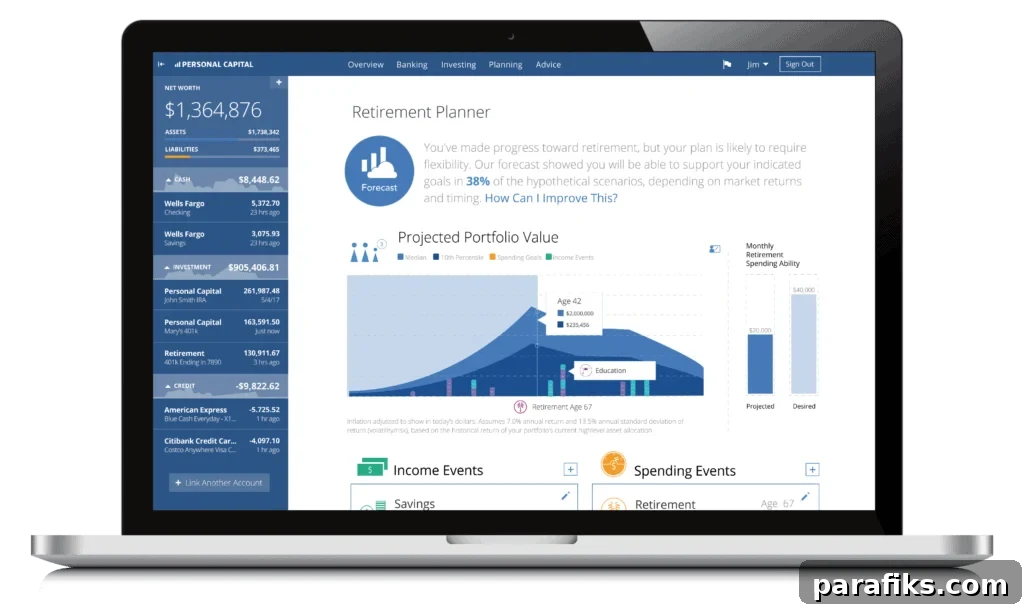
5. Repeat these steps consistently.
Learning how to start investing is just the beginning. The key to success is consistency: save regularly, invest, monitor, and adjust as needed over decades. The hardest part is starting; once you build the habit, it becomes much easier.
How much should a beginner invest the first time?
You can start with very small amounts. If you want to begin with just a few dollars, research micro-investing options that allow fractional shares or regular small contributions. The important part is starting and staying consistent.
How can I start investing with little money?
To recap, you can begin investing with little money by following these steps:
- Start saving consistently, even small amounts.
- Choose an online brokerage or an expert to manage your investments.
- Decide how to allocate your money based on your goals and risk tolerance.
- Monitor your portfolio periodically and rebalance when needed.
- Repeat these steps regularly and increase contributions as you can.
What questions do you have about how to start investing as a beginner? What tips have helped you get started?
Recommended reading:
- ProjectionLab Review: The DIY Financial Planning Tool
- 7 Steps To Figure Out How Much You Need To Retire Comfortably