
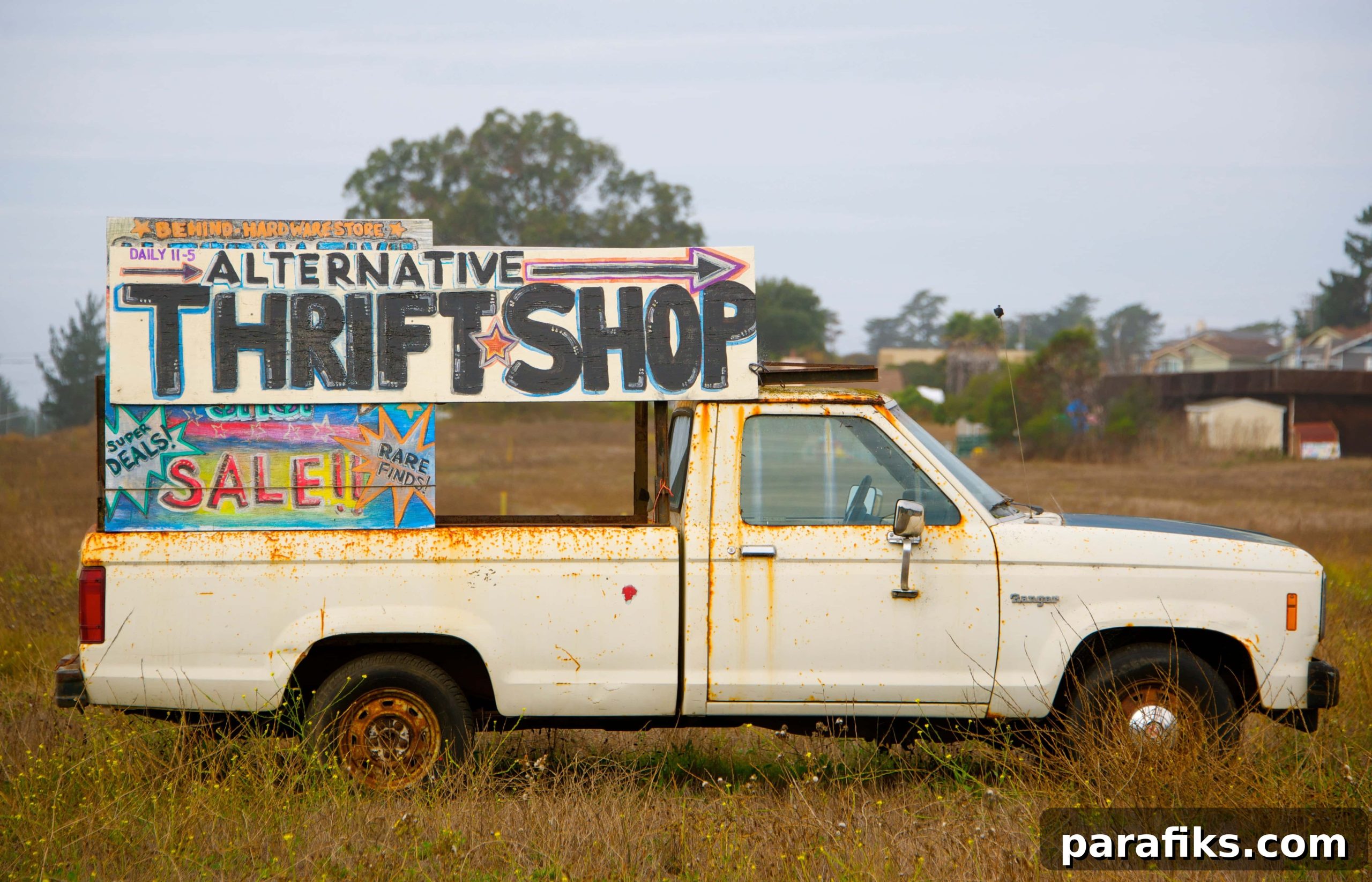
Thrift store reselling is the practice of buying items from thrift stores and reselling them elsewhere for a profit. Resellers commonly deal in clothing, shoes, accessories, furniture, home decor, and other household items. For many, it’s a practical way to earn extra income while also enjoying the thrill of finding hidden gems.
Early in my career I worked at a popular secondhand clothing store called Plato’s Closet, which specialized in brand-name, young-adult apparel. During my time there I encountered many people who combed our racks specifically to find items they could resell. Some of them also scoured garage sales, charity shops, and donation centers to source merchandise for resale.
I observed a wide range of approaches: some people flipped thrift finds full time, others treated it as a side hustle, and many simply loved the treasure-hunt aspect of the work. The results varied — sometimes a reseller would discover an item that brought a large return, and other times they’d only make a small profit.
Over the years at the resale shop, where I rose from sales associate to manager, I never lacked examples of thrift-store flipping. I appreciated seeing people save money on high-quality clothing and brand-name accessories, often available for a fraction of retail cost.
Working in that environment changed my perspective: I still find it difficult to pay full price for new clothing when I know similar items can frequently be found secondhand. Buying used not only stretches your budget, it also reduces waste and lowers the volume of material sent to landfills.
Choosing secondhand items helps the environment. Many of us recognize that consumer goods and textiles contribute substantially to landfill volume. Shopping secondhand is a simple, practical way to reduce that impact by extending the life of items that might otherwise be discarded.
That said, thrift-store reselling isn’t without critics. Some people argue that resellers take items that lower-income shoppers might otherwise buy, and they sometimes label flipping as unfair or unethical. Common criticisms I’ve heard include:
- “Why donate if it’s not going to poor people?”
- “Resellers shouldn’t be allowed in charity stores.”
- “Shopping at thrift stores is for people who can’t afford clothes.”
- “The wealthy shouldn’t be allowed to save money. They should leave it for the less fortunate.”
While everyone is entitled to an opinion, I believe many critics don’t fully appreciate the benefits of buying used or the missions of nonprofit resale organizations. If reselling attracts more buyers to the secondhand market and encourages purchases of used goods instead of new ones, it can help reduce landfill waste and support the broader circular economy.
If you want to learn more about flipping and reselling, there are many helpful articles and case studies that describe flea market sales, successful flips, and strategies for selling on marketplaces.
Why thrift store reselling can benefit everyone
Thrift selling supports the environment
When resellers buy items from thrift stores and place them back into circulation—either through online marketplaces, consignment shops, or local sales—they help give those goods a second life. Many thrift stores are overwhelmed with donations; they often have more inventory than they can process. Some organizations even sell items in bulk outlets or send textiles to recyclers to avoid sending them to landfills.
Textile waste is a major environmental concern. For example, government and industry studies have shown millions of tons of textile waste are generated annually, with a significant portion ending up in landfills. Americans, on average, discard numerous pounds of clothing each year. Different materials also decompose at vastly different rates—synthetic fibers and leather can remain in landfills for decades, while natural fibers decompose more quickly.
By buying and reselling secondhand items, resellers help divert clothing and household goods from landfills and extend the useful life of those items. The more people participate in the secondhand economy—whether by shopping at thrift stores or buying from resellers—the more goods are reused and the less waste is produced.
There’s an abundance of donated goods
In many communities, thrift stores receive so many donations that they must limit intake or even decline some items. This abundance means resellers aren’t typically depriving needy shoppers of essential goods. Most thrift stores consistently receive gently used items because people buy new items frequently and then donate the items they no longer want. That constant turnover means new inventory arrives regularly.
The idea that resellers are hoarding scarce essentials isn’t generally realistic—thrift stores often have more than enough clothing, shoes, and household items to serve a broad range of customers.
The mission of nonprofit thrift stores matters
Nonprofit thrift retailers such as Goodwill and Salvation Army operate to generate revenue that supports community services, job training, and charitable programs. Sales from donated goods fund programs that help people find employment, access transportation, childcare, and language training. More shoppers—whether they’re buying for their own use or to resell—translate into more revenue for these mission-driven programs.
For many nonprofit thrift stores, revenue generation is not merely about offering discounted goods; it’s a crucial funding source for community services. Increased patronage helps these organizations reach more people and expand their impact.
How to start thrift store reselling
If you’re interested in reselling thrift-store finds, here are practical tips to get started.
Watch trends and brands
Pay attention to fashion trends, vintage revivals, and popular brands. Vintage items and 1990s styles have seen renewed interest, and high-quality outdoor and specialty brands often hold their value. Following fashion blogs, resale communities, and social media can help you spot in-demand items.
Inspect items carefully before buying
Learn to examine clothing, shoes, furniture, and other goods for wear and defects. At Plato’s Closet we checked for rips, stains, frayed seams, missing buttons, and worn soles. The same careful inspection applies to furniture and home goods—look for structural damage, stains, odors, and worn finishes.
Buyers expect used items to be in decent condition, so thorough screening helps avoid returns and preserves your seller reputation. Practical checks include:
- Shirts and tops: Check collars, cuffs, underarm areas, and fastenings.
- Jeans and pants: Inspect seams, pockets, crotch area, and hems for wear.
- Shoes: Examine soles, insoles, laces, and overall structural integrity.
- Furniture: Test stability, inspect legs and joints, and look for stains, scratches, or odors.
Be honest in your listings
Transparency builds trust and reduces disputes. Clearly describe any flaws and include photos that show them. Items in excellent condition usually sell faster, but used items with visible wear can still find buyers if the description is accurate and the price reflects the condition.
Use apps and marketplaces
There are many platforms that make reselling easy. Popular options include Poshmark, Depop, Facebook Marketplace, local classified apps, and niche marketplaces for furniture and home decor. Instagram is also used by sellers with established followings. Choose platforms that match the items you plan to sell and the audience you want to reach.
What do you think? Should thrift stores be reserved only for people in need, or is reselling a valuable part of the secondhand economy?
Recommended reading: 27 Best Consignment Stores Near Me And Online