

“Frugality is one of the most beautiful and joyful words in the English language, and yet one that we are culturally cut off from understanding and enjoying. The consumption society has made us feel that happiness lies in having things, and has failed to teach us the happiness of not having things.” – Elise Boulding
After writing this piece I discovered the quote above, which echoes exactly how I feel about money and spending.
 Many people believe happiness comes only from spending. That mindset is limiting. Money can certainly improve life, but it is not the sole source of happiness. Poor money management can lead to debt, stress, and dissatisfaction.
Frugality is not always a last resort. While some people must tighten their belts during difficult times, frugality can be a deliberate, long-term lifestyle choice rather than a temporary measure. It means living intentionally, saving where it makes sense, and avoiding needless purchases made to keep up with others. Frugality isn’t the same as stinginess or stealing—there’s a meaningful difference between being careful with money and acting unethically.
Calling yourself frugal often invites unfair assumptions: that you are cheap, boring, or deprived. People picture frugal folks surviving on bland meals, never leaving the house, or lacking hobbies. If you read the comments on frugal-living articles on major sites, you’ll see how quickly negativity emerges.
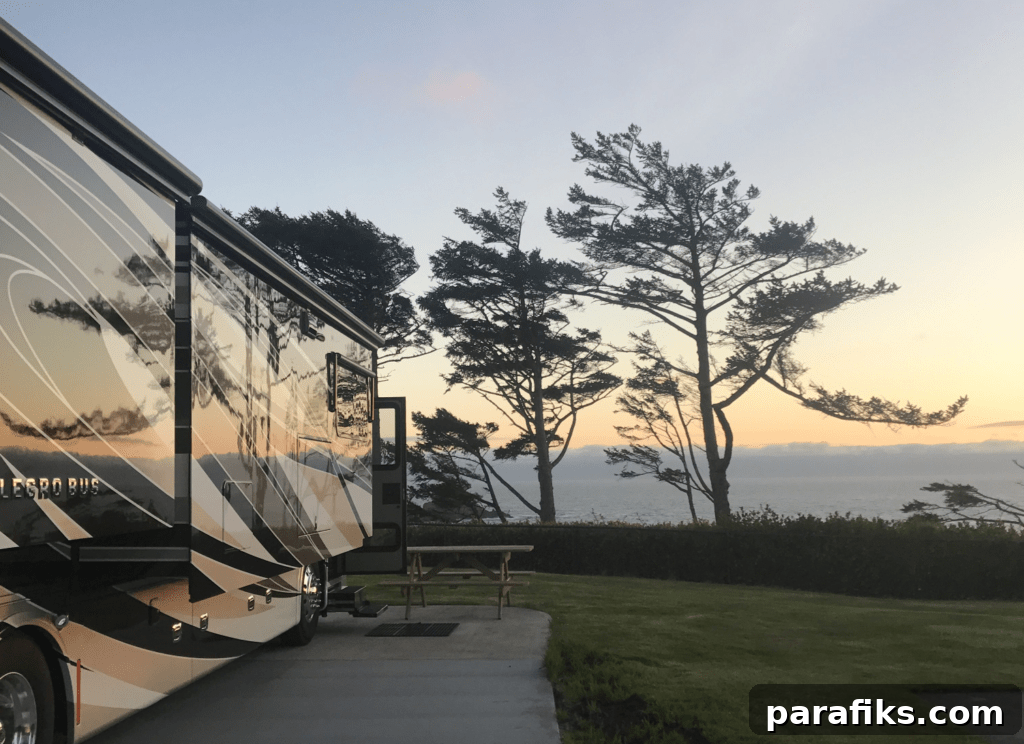
Despite those stereotypes, frugality is how I’ve chosen to live. I still splurge occasionally, but I’m deliberate about my spending. I don’t feel deprived—my life is full. I travel full-time in an RV, have meaningful relationships, and enjoy activities I love. Many people who simplify and spend less are among the most interesting and generous people I know.
Unfortunately, many avoid frugality because of these misconceptions. Often people don’t recognize the value of saving until later in life, when it becomes harder to make up for lost time. The good news is that it’s never too late to start saving and living more intentionally. Here are the main reasons I choose frugality.
I live an enjoyable life, and I’m frugal.
Bigger isn’t necessarily better. When we chose to live and travel full-time in an RV, we intentionally downsized and reduced our belongings. That decision didn’t make life worse—it made it simpler and more satisfying. We buy what we need and what brings us joy, and that conscious approach makes everyday life more enjoyable.
When you own fewer things, you reduce clutter, maintenance, and stress. Material possessions do not automatically create happiness; often they create obligations and waste. By buying fewer, higher-quality items and appreciating what you already have, you get more enjoyment from life.

I’d rather save my money than waste it.
There’s no obligation to spend just because you can. Saving offers security and peace of mind. Even small, consistent savings grow dramatically over time thanks to compound interest. A modest habit of saving can create real financial resilience.
I don’t have any regrets about being frugal.
Some assume frugal people regret their choices or lead dull lives. I disagree. Frugality doesn’t mean missing out. You can balance enjoyment and saving—seeing friends, traveling, and building relationships don’t require reckless spending. In our experience, we spend less than many and yet travel full-time and have rich experiences.
There’s a misconception that saving money equates to a joyless existence. In truth, frugality can amplify appreciation for the things you do choose to spend on, making those moments more meaningful.
Not everyone has to live the same life.
One of life’s greatest gifts is variety. Different choices suit different people. People often judge unfamiliar lifestyles harshly—comments about my RV life or savings habits crop up regularly. Those judgments are usually misplaced. If someone’s choices don’t harm others, there’s no reason to criticize. Personal finance and lifestyle are personal—what works for one person doesn’t have to be the universal standard.
I don’t need a ton of stuff.
High income doesn’t compel high spending. I don’t equate more possessions with greater happiness. Downsizing before and while living in an RV was freeing: removing excess eased decision-making and reduced waste. With fewer things, we’re more intentional about purchases, waste less, and spend more time outdoors exploring rather than shopping.
It can be environmentally responsible to be frugal.
Frugality often aligns with lower consumption and less waste. Choosing not to buy unnecessary items reduces landfill contributions. Many textiles and products take decades or even centuries to decompose—leather shoes, nylon items, tin cans, and plastics all persist in the environment for very long periods. Being mindful about purchases helps the planet and saves money at the same time.
I can retire whenever I want.
Perhaps the most empowering benefit of frugality is choice. I built a business that provides strong income, and by saving a significant portion of that income rather than spending it all, I’ve created options. Frugality has accelerated my financial independence and given me the ability to choose my retirement timeline. Rather than defaulting to decades more work, I have flexibility to reduce working years and spend more time on what matters.
Why are you frugal? Do you think frugal people are missing out on life or are somehow sad?