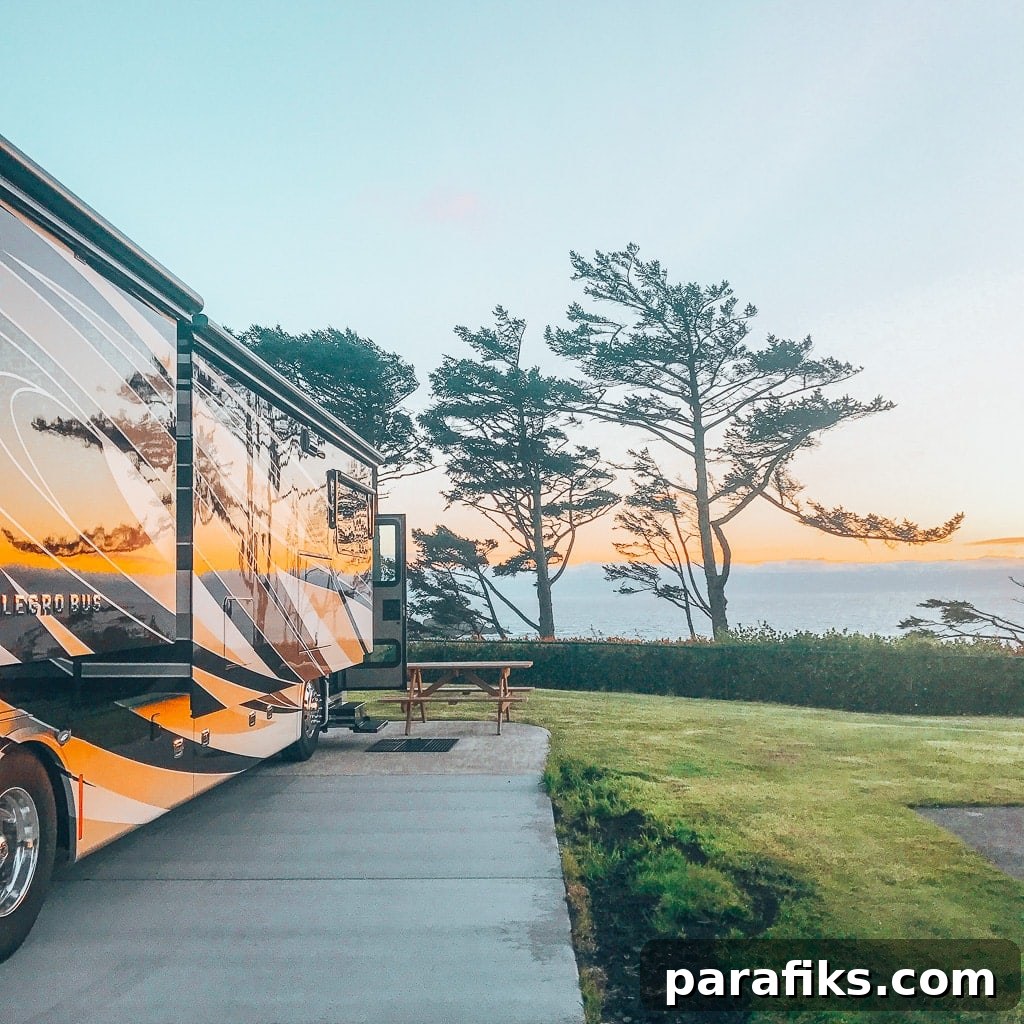
It’s been over a year since my husband, our two dogs, and I began living full-time in an RV.
People often ask when we’ll stop traveling, “grow up,” and buy a house again.
The short answer: not anytime soon.
Full-time RV living isn’t for everyone, but it suits us. I enjoy this lifestyle far more than returning to a conventional home right now.
Don’t get me wrong — owning a house has its perks. When we owned one, I liked it. But the freedom, variety, and experiences that come with RV life have made it our preferred way to live.
We aren’t alone. According to the Recreation Vehicle Industry Association, RV sales hit their highest point since 1977, millions of households own an RV, and buyers aged 35–54 make up a large portion of that market. Many people our age are embracing this lifestyle.
Not long ago I never imagined living in an RV. It wasn’t a childhood dream or a long-held plan. Yet the first time I stepped inside one, I knew it fit me. Living in our RV full-time has been one of the best decisions we’ve made.
Since we started full-time RVing about a year and a half ago, we’ve logged thousands of miles in the RV and added many miles to our Jeep, which we’ve recently converted into an overland vehicle.
So far we’ve visited incredible places, including:
- The Pacific Northwest — Mount Rainier National Park, Olympic National Park, Kalaloch and Ruby Beach, the Hoh Rainforest, La Push Beach, and more.
- Utah (many times) — Arches National Park, Canyonlands, Moab, and other stunning areas.
- Colorado (many times) — Rocky Mountain National Park, Black Canyon of the Gunnison, Colorado National Monument, Dinosaur National Monument, among others.
- “Home” in Missouri.
- Mississippi.
- Arizona — Saguaro National Park, Tucson, Sedona, and several other highlights.
- California — continued from our Pacific Northwest route, traveling along beaches down to Los Angeles.
- Wyoming — Yellowstone and Grand Teton National Parks.
- Great Smoky Mountains National Park.
And many more destinations.
We have plans for the coming year, including more time on the west coast, a possible trip to Alaska if schedules allow, and a venture into Canada. RV plans are flexible by nature, so things often change — and that’s part of the appeal. The freedom to shift plans as you go is one of RV living’s biggest advantages.
If RV life interests you, there are helpful guides and real-life stories about getting started, traveling as a family, and making money on the road. These resources can make the transition less intimidating.
Here are 11 reasons to choose RV life and full-time RV living:
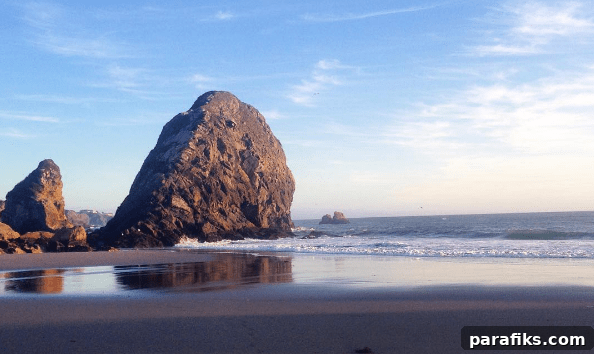
You can live by the beach, mountains, desert, or anywhere else.
One of the best parts of living in an RV is that you choose your surroundings. The U.S. is full of beautiful regions, and rather than settling on one place forever, RV life lets you experience many. It’s more than a vacation — it’s bringing your home with you so you can live comfortably wherever you park.
Want to spend summers in the mountains and winters by the beach? You can. Want to swap that pattern next year? That’s possible too. If you’d like your front window to look onto a national park, you can arrange that. RV living gives you the power to pick your view.
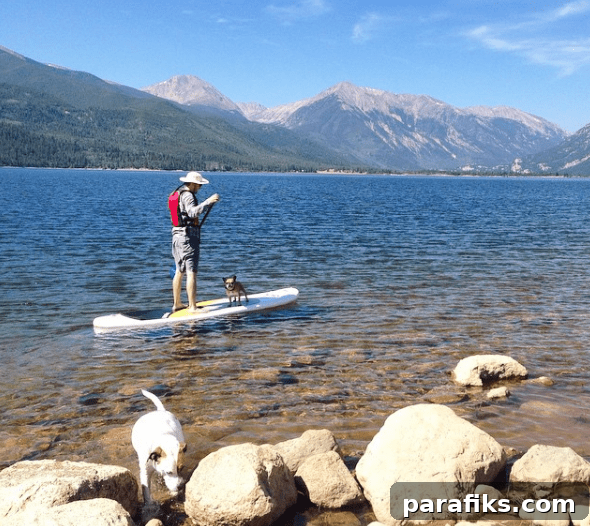
You spend more time outdoors.
When your home is mobile, you can park next to hiking trails, bike paths, climbing spots, or waterways and easily enjoy outdoor activities. We often choose campgrounds that provide direct access to trails and recreation so we can walk or bike to adventures and make the most of nature. One memorable spot was Pine Cove Campground — a lakeside, low-cost site with hiking, mountain biking, paddleboarding, and a nearby town full of food and breweries.
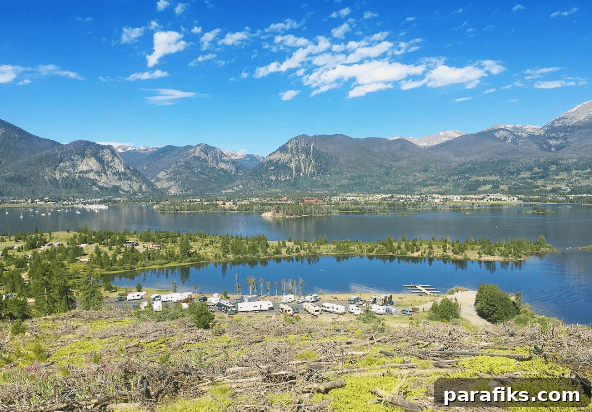
It’s amazingly beautiful living in an RV.
There’s nothing like waking up to dramatic mountain ridges, desert vistas, lakes, or wildlife right outside your window. We’ve had countless incredible views while on the road, and those scenes add so much to everyday life.
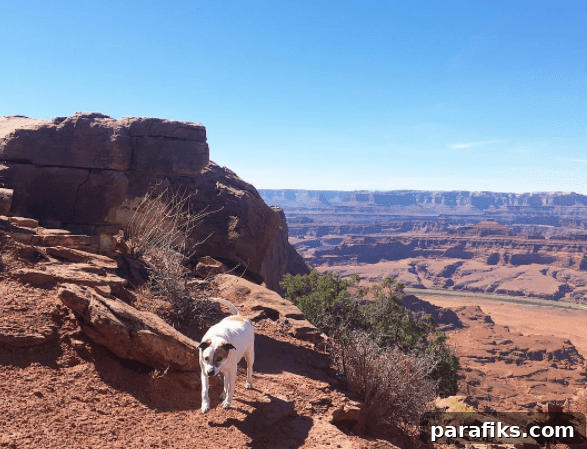
Our dogs love RV life.
While dogs can’t tell us how they feel, ours clearly enjoy exploring new places, sniffing unfamiliar scents, and going on long hikes. They’re more active now than before and seem happier overall.
You can follow the weather.
One of the practical perks of RV living is the ability to chase ideal weather. We prefer mild temperatures year-round and avoid extremes by simply moving. Following comfortable weather patterns makes everyday life more pleasant — we wear summer clothes most of the year and avoid bulky seasonal gear.

Downsizing is liberating.
Moving into an RV requires paring down possessions, and while letting go can be hard at first, it becomes freeing. We donated and sold many items when we left our house, and now live with a small, intentional set of belongings. Downsizing makes us more mindful about purchases, reduces waste, and helps us save money. Plus, with so much time spent outdoors, there’s less temptation to shop for nonessential things.
Read more about how we downsized from a 2,000-square-foot house to an RV in our downsizing story.
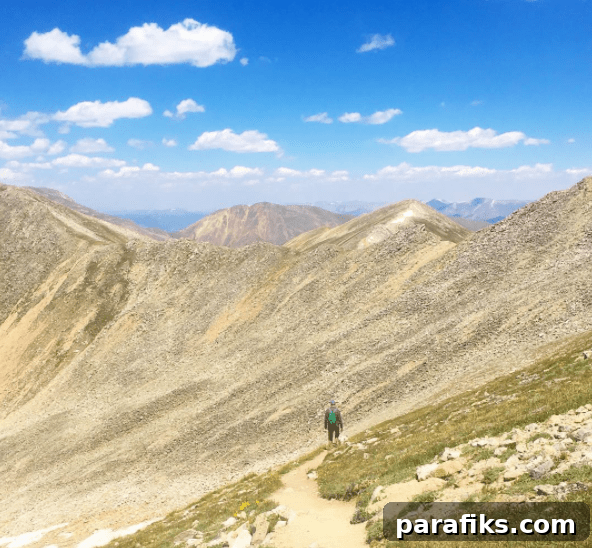
No more yard work or typical household chores.
Not owning a traditional house saves time and effort on routine maintenance like mowing the lawn, raking leaves, and many of the monthly utility chores. While RVs require upkeep, there are generally fewer routine tasks and fewer bills to manage — camping or park fees often replace multiple home utilities.
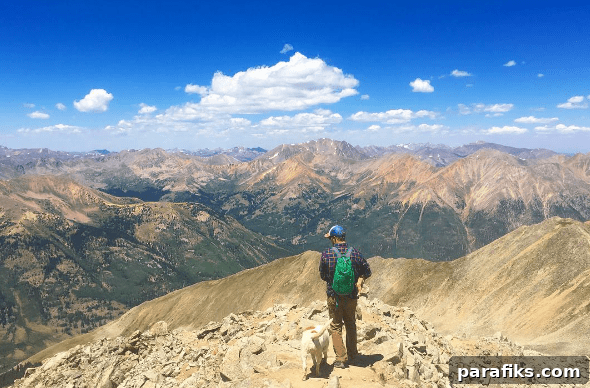
Food tastes better on the road.
We both agree meals feel more satisfying when eaten with a great view and a relaxed mindset. Cooking and dining while surrounded by nature just seems to improve everything.
You can move if you don’t like your neighbors.
If someone nearby is difficult or disruptive, you can simply relocate. We’ve done this a few times to find quieter, friendlier spots — which is much simpler than dealing with neighborhood conflicts in a fixed home.
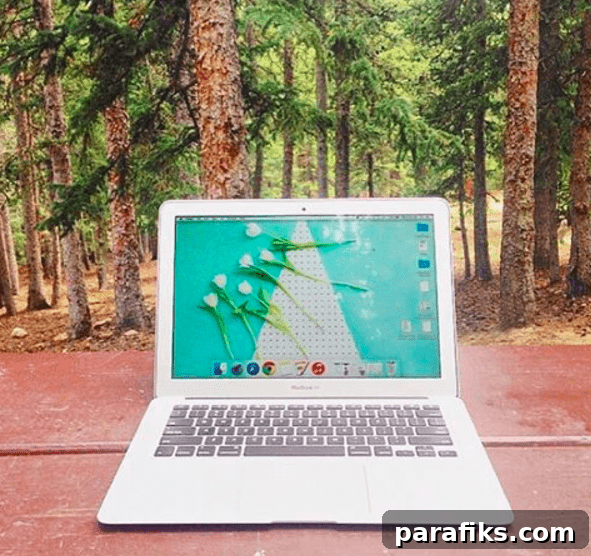
You can work and travel at the same time.
Working remotely while traveling is increasingly common. We’ve met many people on the road who balance work and travel, from retirees to remote professionals. Earning income while RVing can feel daunting at first, but it’s achievable with planning and the right tools.
I run an online business — primarily this blog — which allows me to earn while traveling. Initially I worried about internet access and focus, but I’ve found I’m more motivated than ever. A good mobile internet setup and a flexible schedule let me take a midday hike or a morning bike ride and still keep up with work.
For reliable connectivity, many full-time RVers use mobile hotspot devices and a mix of cellular providers. Having redundancy helps ensure consistent access.

You’ll want to travel full-time for as long as you can.
RV life is addictive in the best way: the freedom, the beauty, the people, and the experiences make us want to keep going. Our next adventures may include sailing full-time, long backpacking trips, or extended cycling tours. I’m grateful we tried RV living — it has enriched our lives in countless ways.
Are you interested in RV life or traveling full-time? Would you like to learn how to live in an RV? Why or why not?