Do you want to know the best places to sell art?
If you’re an artist, there are many ways to earn extra income—or even build a full-time business—from your work.
Selling art can feel slow at times, but online platforms like Etsy and Society6, along with in-person outlets such as farmers’ markets, art fairs, and local coffee shops, make it easier than ever to reach buyers. It still takes effort and consistency, but you have many solid options depending on your goals and how much time you want to spend on fulfillment, marketing, and customer service.
Best Places To Sell Art
Here are some of the best places to sell art, both online and in person, with notes on what each option offers and how to succeed.
1. Etsy
Etsy is a well-known marketplace for handmade and original art. It’s a strong option for artists who want to reach buyers searching specifically for unique work. Start by opening an Etsy shop and researching pricing from other artists in your niche.
Offering a range of products—originals, limited editions, and affordable prints—can attract different types of buyers. Use Etsy-focused SEO in your titles and tags and promote your shop on social media to drive traffic. High-quality photos and clear descriptions help listings convert.
2. Redbubble
Redbubble is a print-on-demand platform where you upload designs that get printed on items like T-shirts, stickers, phone cases, and home decor. The platform handles production, shipping, and customer service, so you can focus on creating.
To maximize sales, upload high-resolution files formatted for different products and choose which items to enable. Clear titles and relevant tags help customers discover your work.
3. Local craft fairs and art fairs
Local craft and art fairs let you meet buyers in person, build relationships, and get immediate feedback. People often prefer buying from artists they’ve met. Prepare an organized booth with professional signage, visible pricing, and business cards so visitors can follow up later.
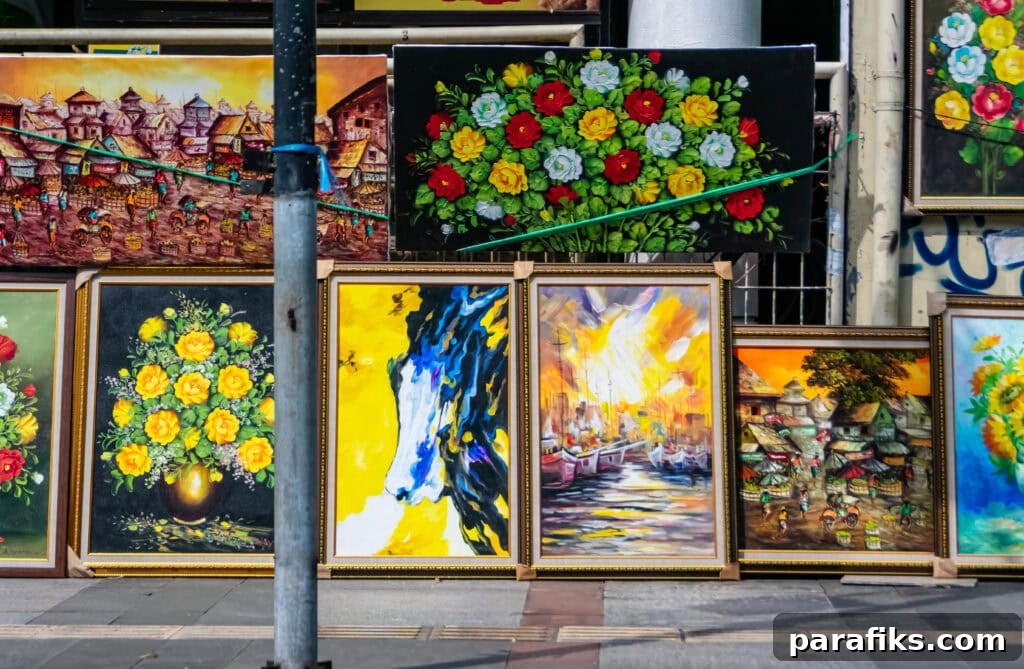
4. Local art galleries
Galleries provide a professional venue and exposure to visitors who expect to buy art. Many galleries are selective and charge a commission, so research galleries that align with your style, prepare a polished portfolio and artist statement, and be prepared to factor commissions into your pricing.
5. Saatchi Art
Saatchi Art is an online gallery favored by collectors and serious buyers. It’s a good platform for original paintings, photography, and limited-edition prints. Saatchi assists with packaging, shipping, and customer service and promotes artists through curated features and marketing campaigns, though they take a commission.
6. Zazzle
Zazzle is another print-on-demand service where your designs can be applied to items like mugs, stationery, apparel, and home goods. Zazzle handles fulfillment and payments, so it’s ideal if you prefer to avoid inventory and shipping.
Use clear titles, accurate tags, and images that show how your art will appear on physical products. Regularly adding new designs increases discoverability and the chance of sales.
7. Artfinder
Artfinder is an online marketplace for original art, prints, photography, and small sculptures. It attracts buyers specifically looking for one-of-a-kind pieces and provides order management and shipping support. The platform charges both commissions and subscription fees but offers a focused audience for serious art sales.
8. Society6
Society6 is popular with graphic artists and designers who want to sell prints and products like home decor, apparel, and wall art. Society6 fulfills orders and handles shipping and customer service, making it easier to scale without dealing with logistics.
9. eBay
eBay is a global marketplace where many artists successfully sell originals, prints, and collectibles. You control pricing, shipping, and listing details, but you also manage everything yourself. To stand out, create keyword-rich listings with professional photos and clear descriptions.
10. Shopify
Shopify lets you build a fully customized online store where you keep more of your revenue because there’s no marketplace middleman. You’ll pay transaction and platform fees, and you’re responsible for marketing and SEO. This option offers full control and brand-building potential but requires more work to attract buyers.
11. Gift shops
Local gift shops can carry smaller items like prints, cards, and jewelry. Shops often support local artists and display work on consignment, taking a commission in exchange for exposure and sales opportunities.
12. Coffee shops
Coffee shops frequently showcase local art and sometimes provide space for artists to sell original pieces, prints, or handmade goods. These venues are great for local exposure and building repeat customers who live or work nearby.
13. Farmers’ markets
Farmers’ markets attract shoppers who want to support small, local businesses. Selling at a market gives you direct buyer interaction, instant feedback, and the chance to develop repeat customers from your community.
14. Social media
Social media gives you direct control over showcasing and selling your art. Platforms like Instagram, TikTok, and Pinterest are excellent for sharing process videos, studio tours, and finished work—content that builds connection and trust. Use social platforms to tell your story, promote new pieces, and direct followers to your shop or commissions.
Frequently Asked Questions
Answers to common questions about selling art.
What are ideas for art that I can sell?
Consider original paintings, limited-edition or open prints, digital downloads, custom commissions, hand-painted ceramics, and small sculptures. Diversifying product types helps reach buyers with different budgets.
What is the best way to sell art?
There’s no single best way—choose based on your goals. If you want full control and branding, run your own website or Shopify store. If you prefer minimal logistics, use print-on-demand platforms or galleries that handle fulfillment. Combining several channels often works best: build a direct sales channel while using marketplaces and local venues for exposure.
What is the best site to sell artwork?
The best site depends on your priorities. Saatchi Art and Artfinder target serious collectors, while platforms like Etsy, Society6, and Redbubble suit artists who want a broader audience or print-on-demand options. Test a few platforms to see where your work performs best.
Where is the best place to sell paintings online?
Etsy is ideal for selling originals and prints with keyword-driven discovery. Saatchi Art and Artfinder are better for higher-end work aimed at collectors. If you want a hands-off solution, choose a site that handles production and shipping. Consider your price point and the level of buyer communication you prefer.
Can you sell art on Amazon?
Yes—Amazon Handmade allows artists to sell handcrafted items, art prints, and art-adorned products like mugs and T-shirts. It provides access to Amazon’s massive customer base but comes with seller requirements and fees.
How do I price my art and sell it?
Start by calculating material costs and the time you spent creating each piece. Research comparable artists and local market rates. A common formula is (materials + hours worked × hourly rate). Factor in framing, shipping, and any platform commission. As you gain confidence and exposure, you can adjust prices to reflect demand and the value of your work.
Best Places To Sell Art – Summary
There are many effective ways to sell your art, whether online or in person. Choose platforms that match your style, price point, and how much time you want to spend on marketing and fulfillment. Combining marketplaces, print-on-demand services, local venues, and social media often creates the best long-term results.
Have you considered which venues match your work and workflow? What pieces are you ready to sell?
Recommended reading:
- How To Sell On Etsy Successfully
- How To Become a Food Blog Photographer And Earn Over $50,000 Each Year
- 14 Best Crafting Hobbies That Make Money
- How I Make Money Selling Printables From Home