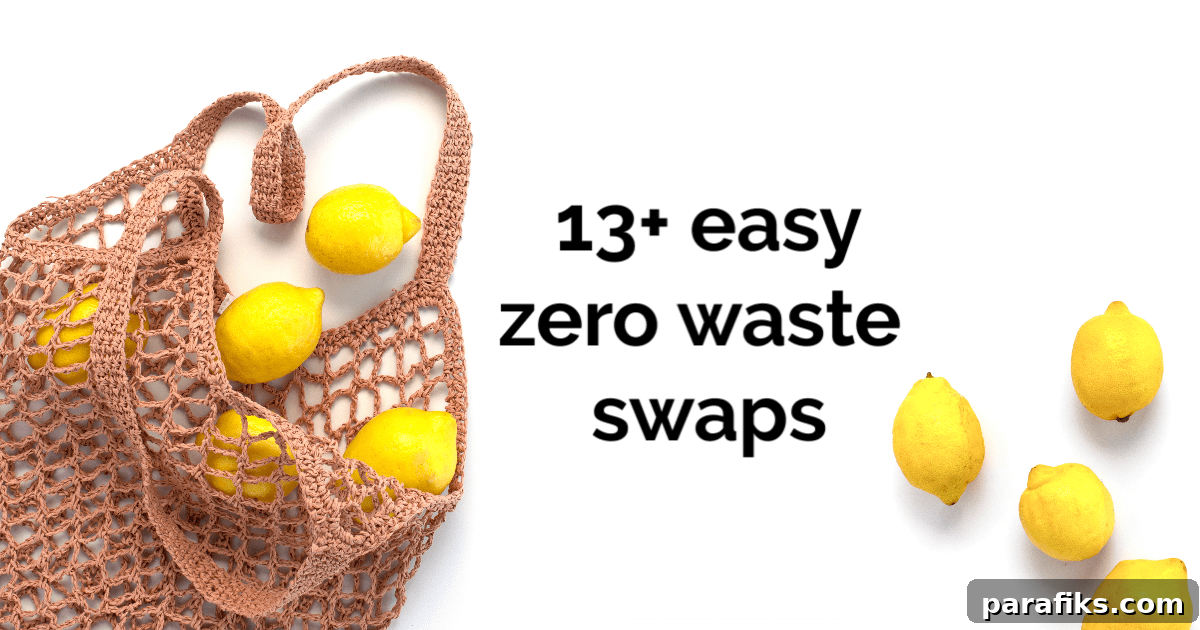
Are you looking for easy zero waste swaps that are kinder to the environment and can help you save money?
I’m always hunting for practical items I can reuse, and I love discovering simple zero waste swaps that make daily life easier. These swaps not only produce far less trash but often save money and free up storage space—especially helpful for people who travel full-time or live in small homes.
By “easy zero waste swaps” I mean replacing disposable household items with reusable alternatives you can use again and again. These swaps cover many areas of the home—kitchen, bathroom, laundry, travel items, and more. They include low-waste, plastic-free, and low-footprint options that reduce clutter and waste.
As full-time travelers, one of the challenges we’ve faced is limited storage and the need to carry or dispose of many single-use items. Reducing disposable goods saves space, lowers the amount of trash we produce, and makes managing waste on the road much simpler. Fewer trash bags to schlep around also means fewer odors and less mess.
You don’t have to overhaul your life overnight. Small, manageable changes add up. Try one swap at a time — every change helps. The list below is a great starting point for simple, practical swaps that help the planet and your wallet.
Here are 13+ easy zero waste swaps
1. Cloth napkins
Switching from paper towels to cloth napkins is one of the easiest and most effective changes. We stopped buying paper towels regularly more than a decade ago and now might buy one or two rolls a year as a backup. Cloth napkins and towels work for spills, meals, and general cleaning, and they simply go in the laundry with your other clothes.
2. Fabric shopping bags
Collect reusable fabric grocery bags and keep them handy. Many stores sell them, and you probably already have a few at home. They’re a common, convenient swap that reduces single-use plastic bag consumption. For shoppers who walk or bike, an insulated cooler backpack can keep groceries fresh and make transporting perishables much easier.
3. Fabric produce bags
Instead of using plastic bags for fruits and vegetables, use fabric produce bags. Cashiers sometimes default to plastic, so keep fabric bags inside your grocery tote so you don’t forget them. They are lightweight, washable, and cut down on single-use plastics.
4. Reusable cups and bottles
Carry a refillable water bottle like a Nalgene or stainless insulated bottle whenever you go out. Bringing your own tumbler or bottle saves money, reduces disposable plastic, and ensures you have a drink on hand. This is a simple, widely adopted swap with immediate benefits.
5. Straw alternatives
Straws are a common source of single-use plastic. If you can, avoid straws altogether or use reusable alternatives made from stainless steel, silicone, or bamboo. Note that some people need single-use plastic straws for medical reasons, so these swaps aren’t suitable for everyone.
6. Easy plastic-free swaps
Small everyday items often come wrapped in plastic, but many alternatives exist. Consider switching to products that reduce plastic waste:
- Toothpaste tablets — compact, travel-friendly tablets that foam into toothpaste when chewed and brushed.
- Shampoo bars — long-lasting solid shampoo that eliminates plastic bottles.
- Wooden toothbrushes — biodegradable handles to replace plastic ones.
- Safety razors — metal razors with replaceable blades that eliminate disposable plastic razor waste.
7. Reusable Q-tips
Reusable cotton swabs are washable and come with a carrying case. They function like regular Q-tips but can be cleaned and reused many times, cutting down on single-use plastic waste.
8. Reusable sandwich and storage bags
Silicone or fabric reusable sandwich bags are great for sandwiches, snacks, and storing portions. Many are dishwasher-safe, freezer-safe, and durable. Though they can have a higher upfront cost, they last for years and replace countless single-use bags.
9. Beeswax wraps instead of plastic wrap
Beeswax wraps are a reusable alternative to cling film for covering bowls and wrapping food. They are washable, pliable, and compostable when they reach the end of their life. You can buy them ready-made or make your own if you enjoy DIY projects.
10. Dryer balls instead of dryer sheets
Dryer balls reduce drying time, soften clothes, and remove the need for disposable dryer sheets and single-use fabric softener products. They’re simple to use and last for many loads, saving money and reducing waste.
11. Use a French press for coffee
A French press eliminates paper filters and is a simple way to brew coffee with minimal waste. It’s compact and ideal for travel or small kitchens. Cold-brew makers are another low-waste option that doesn’t require heat or disposable filters.
12. Try reusable period products
Disposable period products create substantial lifetime waste. Reusable options include:
- Cloth pads — washable and long-lasting, replacing many disposables.
- Menstrual underwear — leak-proof designs that can replace or back up pads and tampons.
- Menstrual cups — flexible silicone or latex cups that can last for years with proper care.
These choices reduce waste and can be more economical over time, though comfort and personal preference are essential when choosing a product.
13. Reuse food jars and containers
Before discarding jars and containers, consider repurposing them. Cleaned jam, salsa, yogurt, and sauce jars make great drinking glasses, storage containers, or small planters. Bread bags and other packaging can be reused for snacks, and many items around your kitchen can be repurposed instead of thrown away.
Small swaps accumulate into meaningful savings—for your budget and the environment. What easy zero waste swaps have you tried? Which changes helped you most? Share ideas and keep experimenting with simple, effective ways to reduce waste.