
Are you planning a trip and looking for practical tips to vacation on a budget?
Vacations can quickly become expensive: time off work, transportation, lodging, food, and activities all add up. That often leads people to believe travel is out of reach. But with planning and a few smart choices, you can enjoy memorable trips without blowing your budget.
Many assume a great vacation requires spending thousands of dollars. That’s not true. Whether you’re traveling solo, with friends, or as a family, there are many ways to cut costs, avoid debt, and still have a relaxing getaway. You might need to rethink how you travel, choose different dates or destinations, and do a bit of research, but low-budget vacations are possible for nearly everyone.
Remember, a vacation should reduce stress, not create it. Overspending can lead to remorse, financial strain, and a ruined return home. Below are practical, tested strategies to help you plan an enjoyable, affordable trip.
21+ Tips to Vacation on a Budget
1. Stay in hostels
Hostels remain one of the most economical lodging options. Depending on the destination, you can often find beds for under $50 per night. Hostels also provide a social environment, local tips, and sometimes kitchen access to save on meals.
2. Join travel-focused Facebook groups
Travel groups on Facebook frequently share flash sales, error fares, and limited-time discounts. These groups can alert you to deals you wouldn’t otherwise find. Look for community-driven groups focused on budget travel and deal alerts.
3. Travel during mid- or off-season
Visiting a destination outside peak season usually means lower prices for flights, hotels, and attractions, and fewer crowds. Mid-season travel often delivers comparable weather with significantly reduced costs.

4. Make money while you travel
If you plan longer trips or want to travel more frequently, earning while you travel can offset costs. Options include running a website, freelance writing, virtual assisting, housesitting, working remotely, teaching English, or finding local short-term jobs.
5. Work for an airline
Airline employees often receive discounted or free flights for themselves and family. If you’re already in that industry, it’s a major perk that can dramatically lower travel costs.
6. Use credit card rewards responsibly
When used wisely—paying the balance in full each month—reward cards can provide free flights, hotel stays, and statement credits. If you’re disciplined with spending, travel rewards programs can significantly reduce trip expenses.
7. Fly with budget airlines
Low-cost carriers such as Allegiant, Frontier, and Spirit often sell very cheap fares. Be mindful of extra fees (baggage, seat selection), but budget airlines can make otherwise expensive routes affordable.

8. Housesit
Housesitting exchanges free accommodation for pet and home care. Trusted housesitters are in demand, and this option can eliminate lodging costs entirely while offering a more local experience.
9. Choose affordable destinations
Some countries and cities are naturally more budget-friendly. Research cost-of-living and travel budgets for potential destinations to find places where your money goes further.
10. Stay in an Airbnb
Renting a house or apartment can be cheaper than multiple hotel rooms, especially for groups. Airbnbs often include kitchens so you can cook meals and save on dining, and they offer more space and amenities for longer stays.
11. Couch surf
Couchsurfing provides free lodging and a chance to meet locals. It’s an economical and often social way to travel, as long as you vet hosts and read reviews carefully.
12. Sign up for hotel loyalty programs
Most hotel loyalty programs are free and can earn you points toward free nights, room upgrades, and perks like late checkout. Combine hotel loyalty with card rewards for additional savings.
13. Be flexible with travel dates
Small date shifts can result in big savings. Traveling midweek or outside peak weekends can reduce airfare and room rates—sometimes dramatically.

14. Ask for discounts
Always ask hotels, hostels, or rental owners if they offer any discounts—especially for last-minute bookings or extended stays. The worst answer is no; the best is a lower price.
15. Find cheaper local transportation
Research local transit options such as shuttles, buses, and free tourist loops. Many towns offer low-cost or free transport to popular sites, which can cut taxi and rideshare costs.
16. Hitchhike—only when safe
Hitchhiking exists in some regions and hiking areas. If you consider it, prioritize safety, local norms, and personal risk assessment.

17. Use student discounts
If you’re a student, carry your ID. Many attractions, transit systems, and shops offer discounted rates to students.
18. Eat like a local
Avoid tourist traps and dine where locals go for authentic flavors at lower prices. Street food, markets, and neighborhood restaurants offer better value and local character.
19. Buy groceries and cook some meals
Even cooking one meal a day where you stay can lower food costs substantially. Buying groceries also gives you flexibility and helps stretch your travel budget.
20. Plan a staycation
Staying local removes airfare and long-distance transport costs. Explore nearby attractions, parks, museums, and events—staycations can be refreshingly inexpensive and often overlooked.
21. Pack light
Avoid checked bag fees by packing carry-on only. Less luggage also means less to worry about and easier, cheaper transit between destinations.
22. Search for free activities
Many cities host free concerts, museums with free days, walking tours, and public festivals. Research ahead to build an itinerary filled with low-cost or free experiences.
23. Buy travel insurance for international trips
Travel insurance can save you from catastrophic medical bills or trip cancellations when traveling abroad. It’s an additional cost, but often worth the protection against unforeseen emergencies.
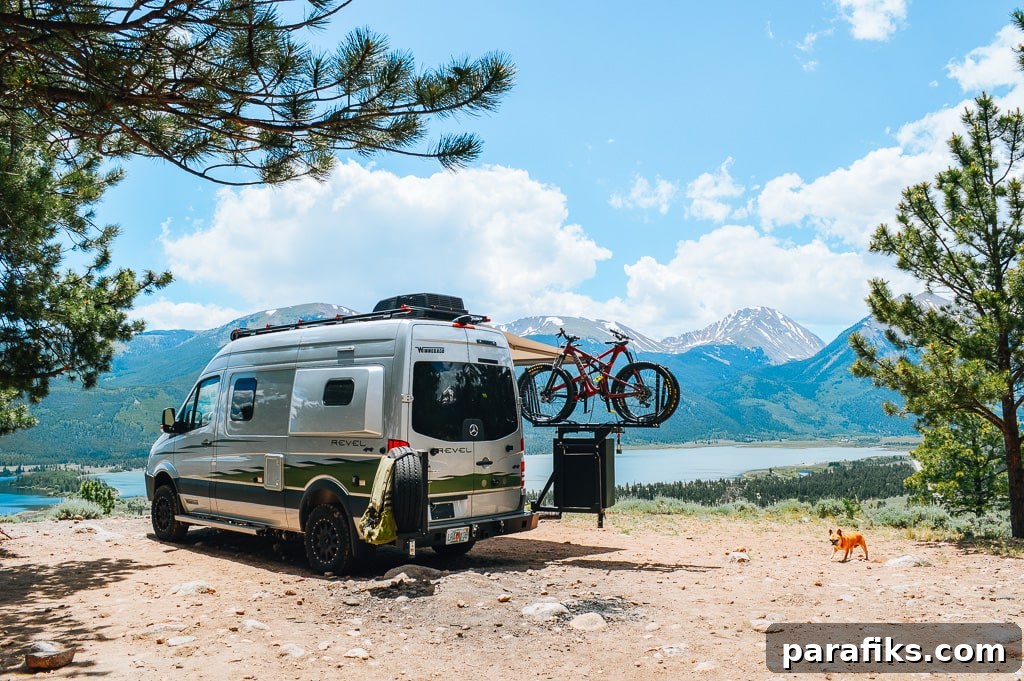
24. Focus on outdoor trips
Outdoor activities—hiking, camping, biking, and visiting national or state parks—can be inexpensive and incredibly rewarding. Many parks offer low-cost entry, and some dispersed camping options are free. If you plan multiple park visits, consider an annual pass to save on entrance fees.
How to vacation on a tight budget
Even with limited funds, you can make travel happen by prioritizing what matters most to you and applying several of the strategies above. To recap, effective ways to save include staying in hostels, joining deal-focused groups, traveling off-season, earning while you travel, leveraging rewards cards responsibly, choosing budget airlines, housesitting, staying in rentals, couchsurfing, signing up for loyalty programs, being flexible with dates, asking for discounts, using cheaper local transport, eating like a local, cooking meals, planning staycations, packing light, seeking free activities, purchasing travel insurance for international trips, and enjoying the outdoors.
Which of these tips will you try on your next vacation?