
Is saving for retirement important? Absolutely. If you prefer spending all your money on immediate pleasures—lavish vacations, designer clothes, or nights out—you might be tempted to ignore retirement savings. That may feel fun now, but it’s bad advice for your long-term well-being.
Just kidding — that’s terrible advice.
Your future matters. Neglecting retirement savings today can make securing your later years much harder and far more stressful. Saving for retirement is extremely important. The more you delay, the tougher it becomes to catch up.
Despite this, many people are behind on their retirement savings. Saving now matters for several reasons:
- It helps ensure you won’t have to work indefinitely.
- You may be able to retire earlier rather than later.
- Saving lets you maintain a comfortable quality of life after you stop working.
- Compound interest rewards early saving—time makes your money grow faster.
- You reduce the chance of relying on family or others for financial support.
Clearly, saving for retirement is essential.
Yet surveys show alarming shortfalls. One report from GoBankingRates found that 56% of Americans have less than $10,000 in retirement savings and 33% have no retirement savings at all. Those numbers are frightening and illustrate why action is needed now.
Other notable findings include:
- 42% of millennials have not started saving for retirement.
- 52% of Gen Xers have under $10,000 saved.
- About 30% of respondents aged 55 and older have no retirement savings.
- 26% report balances below $50,000—likely insufficient for those nearing retirement.
- Nearly 75% of Americans over 40 are behind on retirement savings.
These statistics are alarming because many people close to retirement age have little or no savings. So why are so many people underprepared?
Why aren’t people saving for retirement?
Bad advice and misleading articles.
Some articles encourage people not to save when young, or to prioritize living in the moment above all else. Don’t follow that advice. Beginning to save early is rarely regretted—most people wish they had started sooner.
Face the uncomfortable truth and build your retirement savings now. The longer you delay, the harder and more costly it will be to reach financial security.
Many think saving just 1–5% is enough.
Some believe a 1–5% savings rate will get them to retirement, but that’s usually insufficient. Small emergencies can wipe out modest savings, and low rates dramatically extend the time needed to retire.
Using a simple illustration: with a 5% savings rate, it could take roughly 66 working years to retire. Increase your savings rate to 25%, and that drops to about 32 years; 50% to 17 years; and 75% to 7 years. The faster you save, the sooner you can stop working.
Many people don’t grasp compound interest.
Compound interest is powerful: your earnings generate their own earnings over time. This is why starting early matters so much. Money invested and left to compound can grow exponentially over decades.
For example, $1,000 invested at an 8% annual return for 40 years becomes about $21,724. Contributing $1,000 each year at that rate grows to roughly $301,505 over the same period. Starting larger contributions increases those totals dramatically. Investing rather than letting cash sit in a checking account or under a mattress puts time on your side.
People normalize having little or no retirement savings.
Being average with your finances is not something to aspire to—average often means unhealthy debt and financial stress. Don’t let average living standards set your expectations. Striving to be above average can lead to greater financial control, earlier retirement, and more peace of mind.
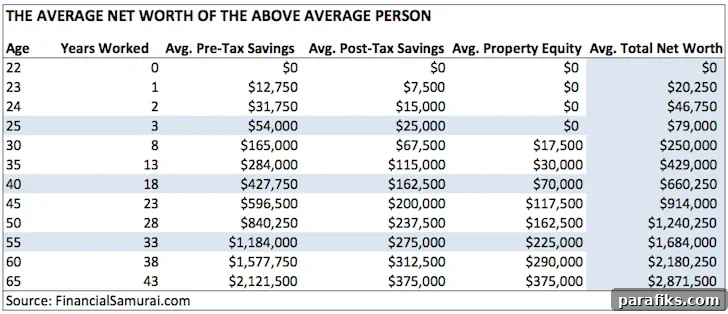
Aim to be financially above average so you can retire on time or even earlier, and enjoy a less stressful life.
Myths that saving means missing out.
Many mistakenly believe that people who save are boring or deprived. That’s false. You can live a rich, fulfilling life while saving responsibly. With smart budgeting you can still socialize, travel affordably, and enjoy life while building a secure financial future.
There are many examples of people who retired early and lead vibrant lives—proof that frugality and enjoyment can coexist.
Gender disparities in retirement saving.
Women are statistically more likely than men to have little or no retirement savings. This is often due to career interruptions, caregiving responsibilities, and longer life expectancy. It’s especially important that women prioritize investing and saving to ensure financial security over the long term.
Procrastination and perceived invincibility.
Many people assume they have plenty of time to save or that their income will never stop. Life is unpredictable—health issues, job loss, or changing circumstances can interrupt earnings. Procrastinating only makes catching up more difficult. Start now rather than waiting for a future that may not unfold as expected.
How to jump-start saving for retirement
Starting early turns saving into a habit and teaches sound financial practices that will benefit you for decades. If you’re unsure how to begin, follow these straightforward steps:
- Start saving. Set aside money specifically for retirement. The more you can save, the better, but even modest, consistent contributions add up over time.
- Do your research. Learn about retirement accounts, investment options, and basic financial principles so you can make informed choices.
- Choose how your money will be managed. Decide whether to manage investments yourself through a brokerage or use a professional or automated service to handle investing for you.
- Decide your investment approach. Base your strategy on your risk tolerance and time horizon. Longer horizons generally allow for more growth-oriented investments; shorter timelines call for more conservative choices.
- Track your portfolio. Regularly review investments, adjust as needed, and increase contributions when possible.
- Repeat these steps consistently. Saving and investing is an ongoing process—keep contributing, learning, and adjusting over time.
Saving for retirement is achievable when you begin now and follow a plan. Start small if you must, but start. Over time, small, consistent actions will build a secure financial future.
Have you started saving for retirement? Why or why not?