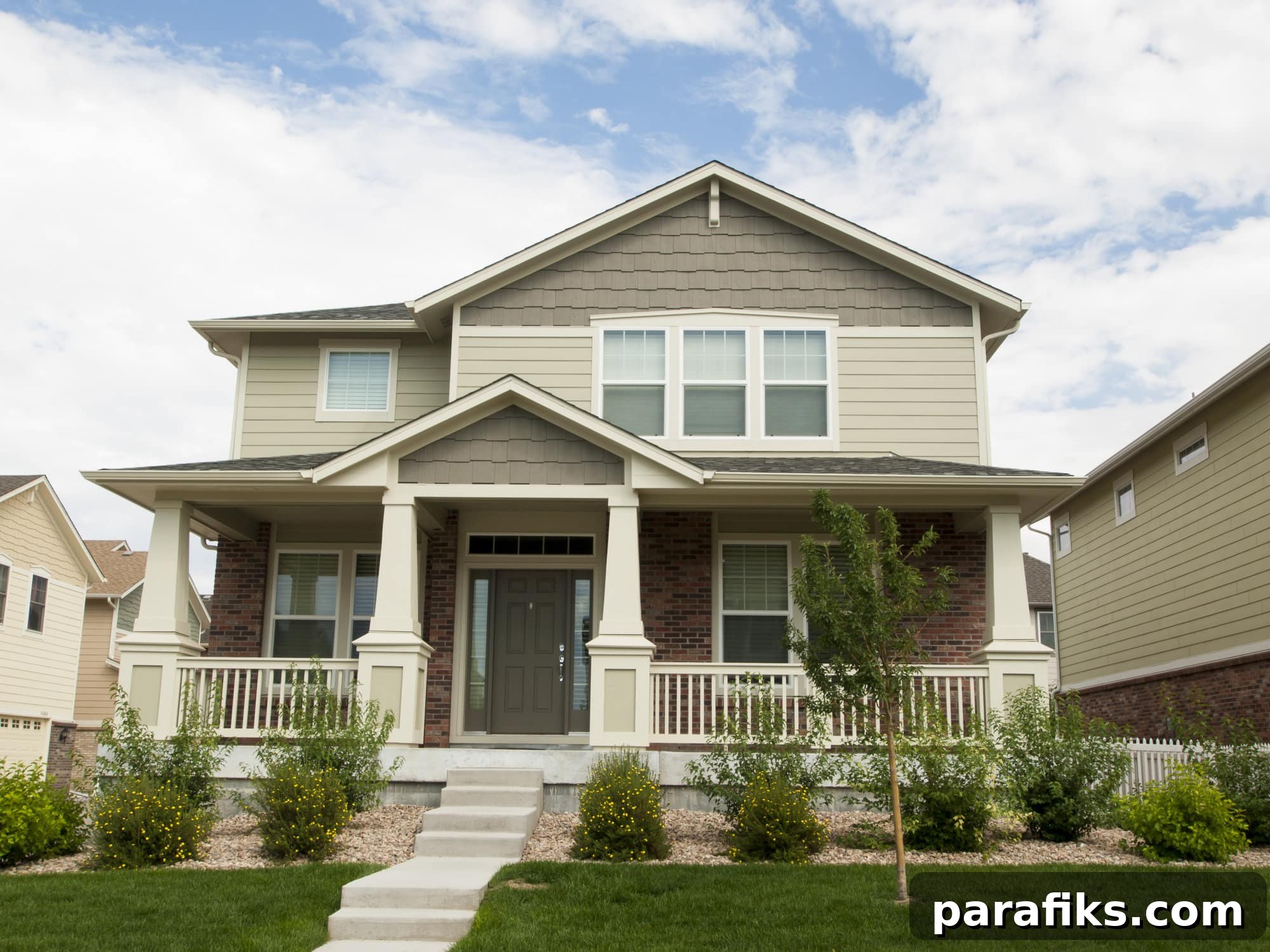
The spring and summer months are typically the busiest times for buying a house. Purchasing a home is often the largest financial decision most people make.
According to Zillow, the median U.S. home value is $195,300, and the median list price is $234,900.
Many people insist that homeownership is always a smart investment, and some even claim that renting or other alternatives are a waste. However, that view isn’t universally true.
Buying a home isn’t right for everyone. You shouldn’t rush into purchasing any property simply because it’s available. It’s important to weigh all relevant factors before deciding whether buying a house is the best choice for your situation.
Buying a house is a major commitment, and problems can appear if you don’t carefully consider how the purchase will affect your life.
There are several important questions to ask yourself before buying a house, and answers will differ from person to person. That’s why analyzing your personal circumstances first is essential.
Whether you’re a first-time buyer or have purchased multiple homes before, you should still ask yourself these questions.
Related articles on a first time home buyer guide:
- 75+ Ways To Make Extra Money
- 30+ Ways To Save Money Each Month
- 8 Things To Sell To Make Money
Most people have experienced regret after making a big purchase that later seemed unnecessary. That sinking feeling can take months or years to surface, but it’s something no one wants to feel after buying a house.
Related:
- 30+ Ways To Save Money Each Month
- 75 Ways To Make Extra Money
- 15 Reasons You’re Broke And Can’t Save Money
What to ask yourself before buying a house
Can you afford it?
Before asking any other questions, make affordability your top priority. If you can’t afford the home, you shouldn’t buy it.
Assess your complete financial picture, including:
- Your income
- Job stability
- How much you have saved
- Your credit history
- The monthly housing payment you’re comfortable paying — consider all related costs
- Your total amount of debt
Examining these factors will help you understand what you truly can afford. Many buyers justify stretching beyond their budget, but that is risky. Lenders often pre-approve borrowers for payments higher than they can sustainably manage, so don’t rely solely on the pre-approval amount.
When determining affordability, consider all costs associated with homeownership — not just the purchase price. Your research should go far beyond the listed price.
Before serious house hunting, consider using a home affordability calculator to estimate what realistically fits your budget based on income, debt, and monthly expenses. The listing price is only part of the picture; your total monthly housing cost is what matters most.
Why do you want THIS house?
Buying a home evokes many emotions: happiness, excitement, anxiety. Those feelings can make several properties feel like “the one.” Before making an offer, think carefully about why you want a specific house.
Create a wish list that details what you want and need. Consider items such as:
- Whether you prefer city or country living
- If you want a fenced yard
- How many bedrooms and bathrooms you need
- The preferred age or style of the home
- The quality of local schools
- The size and layout of the kitchen
- Your budget
Also make a list of dealbreakers — things you want to avoid, like a pool, high yard maintenance, or a major fixer-upper. A clear wish list helps you focus on properties that meet your needs rather than settling for any attractive listing.
What other costs do you need to factor in?
When you think you’ve found the right house, ensure you can cover all costs associated with it. Being able to make the mortgage payment is only part of the equation — ongoing expenses often surprise buyers.
On average, U.S. homeowners face thousands of dollars in annual hidden and maintenance costs. These expenses include homeowners insurance, property taxes, utilities, and routine upkeep.
Consider these ongoing costs:
- Property taxes — Taxes vary widely by area. Two similar homes can have very different annual tax bills, which can significantly affect monthly costs.
- Gas — Often used for heating, hot water, and appliances.
- Electricity — Larger homes typically carry higher electric bills.
- Sewer — Usually modest but recurring.
- Trash — A regular, small expense.
- Water (and possible irrigation) — Bills can vary widely depending on location and usage.
- Home insurance — Costs vary by region and may include extra coverage for floods, earthquakes, or hurricanes.
- Maintenance and repairs — Even new homes require upkeep; budget for both routine and unexpected repairs.
- Homeowners association (HOA) fees — Many neighborhoods have HOAs that charge monthly or annual fees and enforce rules.
- Home furnishings — Furnishing a larger home can be costly; don’t forget to budget for furniture and appliances.
Always total these expenses when deciding whether a house is affordable long term.
How long do you plan to live in the area?
It generally takes around five years to break even on the costs of buying a home. If you sell within a year or two, you may lose money on closing costs, market fluctuations, and other fees. Buying a house typically requires time and effort, so consider whether you want to repeat the process soon after.
Think about whether the home will suit you for at least five years by asking:
- Are you satisfied with the neighborhood?
- Are the schools acceptable if you have or plan to have children?
- Is the home large enough if you plan to grow your family?
- Do you expect to stay employed in the area for at least five years?
Consider your future plans carefully before committing to a property.
Can buying a house wait 24 hours?
When you find a property you like, resist the urge to rush if you can afford to wait. Taking 24 hours to reflect gives you time to revisit your budget, calm impulses, and evaluate whether the house truly fits your needs.
Quick decisions driven by fear of losing a property can lead to buyer’s remorse. If possible, take a day to think it over — you may discover you don’t actually want the house.
Do you really need or want this house?
Finally, ask yourself whether you truly need the house. This question is fundamental but often overlooked. Distinguish between wanting a home and needing one given your current circumstances and long-term plans.
Make sure you can answer the other questions positively before committing. Buying a house is a major investment that deserves careful thought, time, and planning.
What other questions should a person ask themselves when buying a house?