
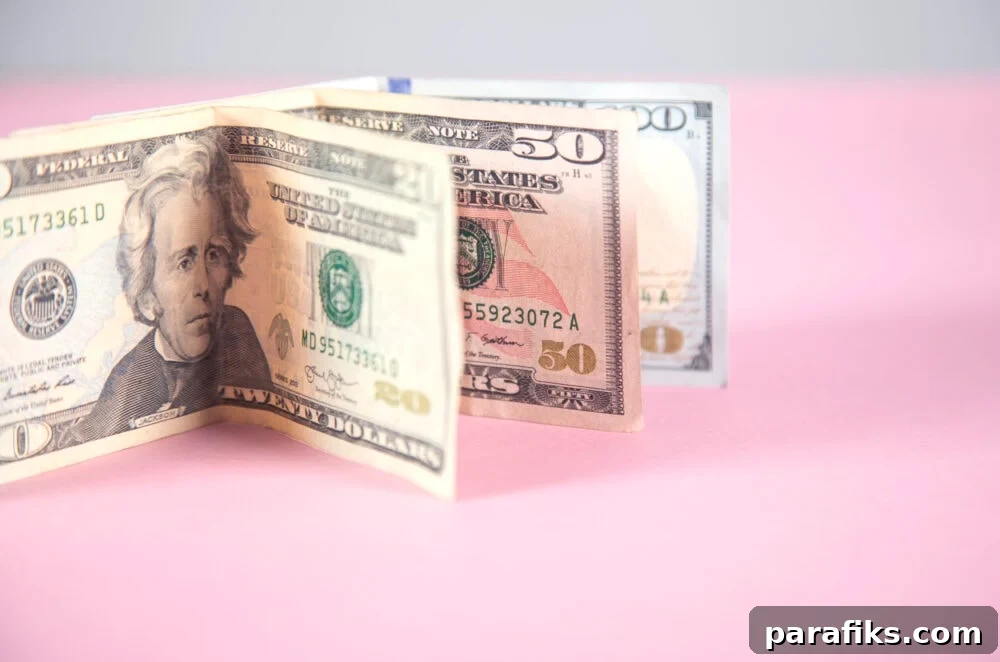
It’s surprising how much my life and my relationship with money have transformed in a relatively short time.
I still remember, vividly, the days when I struggled financially and lived paycheck to paycheck. I would panic over a lost $25 bill, cry when I dropped food because every dollar mattered, and feel constant stress about money. It wasn’t just poor money management—my entire relationship with money was unhealthy.
I still have room to grow, but my financial mindset and habits have improved significantly over the years. And they’ll keep improving.
My situation didn’t change only because I now earn more. I’ve learned a lot about myself and how money works, which has helped me feel more empowered and make better decisions.
Other content you might find useful:
- I’m a Female Breadwinner! I Earn Much More Than My Husband – So What?
- Why would you make $100,000+ a month and live in an RV?
- How I Successfully Built A $1,000,000+ Blog
- How I Paid Off $40,000 In Student Loans in 7 Months
- The Less You Own, The Less That Owns You
Here are the ways my relationship with money has changed over the years:
1. I stopped caring about others’ opinions of me.
When I was younger I spent to impress people. I didn’t realize how much I let the perceived opinions of others dictate my spending—on clothes, a new car, and even an expensive private university when community college would have sufficed. Now, I simply don’t care what others think. I don’t worry about wearing the same outfit repeatedly, having a few worn clothes, or what people say about living in an RV. Letting go of that need to impress has saved me money, time, and energy.
2. I don’t shop emotionally anymore.
Emotional spending happens for many reasons: a bad day at work, stress, or even anxiety about existing debt. I used to buy impulsively to soothe or reward myself—whether I’d had a good day or a terrible one. Over time I recognized this pattern and stopped using shopping as an emotional crutch. Reducing emotional spending has made a huge difference in my finances and my peace of mind.
3. I don’t sweat the small stuff.
Tracking where money goes is important, and I recommend it. But I used to obsess over every last dollar, which stopped me from enjoying life—even when I had money set aside for specific purposes. That fear came from having lived paycheck to paycheck, and it taught me that past experiences shape present financial behaviors. Now, once I’ve budgeted for essentials and set aside money for fun, I allow myself to enjoy spending without guilt.
4. I won’t spend a year’s pay on a car again.
At 18 I bought a brand-new car for over $20,000 and felt I looked cool—when in reality I was reckless. My $400 monthly payment, insurance, gas, window tinting, and other costs were out of step with my low-wage job. That purchase taught me a lasting lesson: avoid tying up a large share of your income in depreciating assets that don’t fit your means.
5. I no longer accept debt as “normal.”
It’s common to rationalize debt by comparing ourselves to others, and I fell into that trap. I assumed student loans were unavoidable because many people had them, so I borrowed heavily instead of using available income to pay tuition. But someone else’s debt level shouldn’t dictate your choices. Comparing yourself to averages or peers doesn’t make debt more manageable; it only normalizes behavior that might be harmful. Your finances are yours—focus on what works for you.
6. I don’t let money control me.
I still save aggressively because I fear future uncertainty, but money no longer dictates every decision. There was a period when I measured my life by finances alone: daily calculations, constant worry about small purchases, obsessing over income reports, and hoarding a massive emergency fund that could have been invested. That mindset stole enjoyment from life. Today I balance prudence with living—worry less, plan more, and let money serve my life rather than rule it.
7. I’ve learned life is about much more than money.
Earlier I chased big income, big houses, and flashy cars. Now, financial independence is my aim, but it’s not everything. Experiences—traveling, time with family and friends, personal growth, and trying new things—matter more to me than possessions. That doesn’t mean ignoring smart money habits; it means finding a healthy balance between saving, investing, and enjoying life.
How has your relationship with money changed over the years? Have you gotten better or worse with money?