I enjoy thrift stores. I like wandering the aisles, sifting through a wide variety of items, and hunting for a good deal.
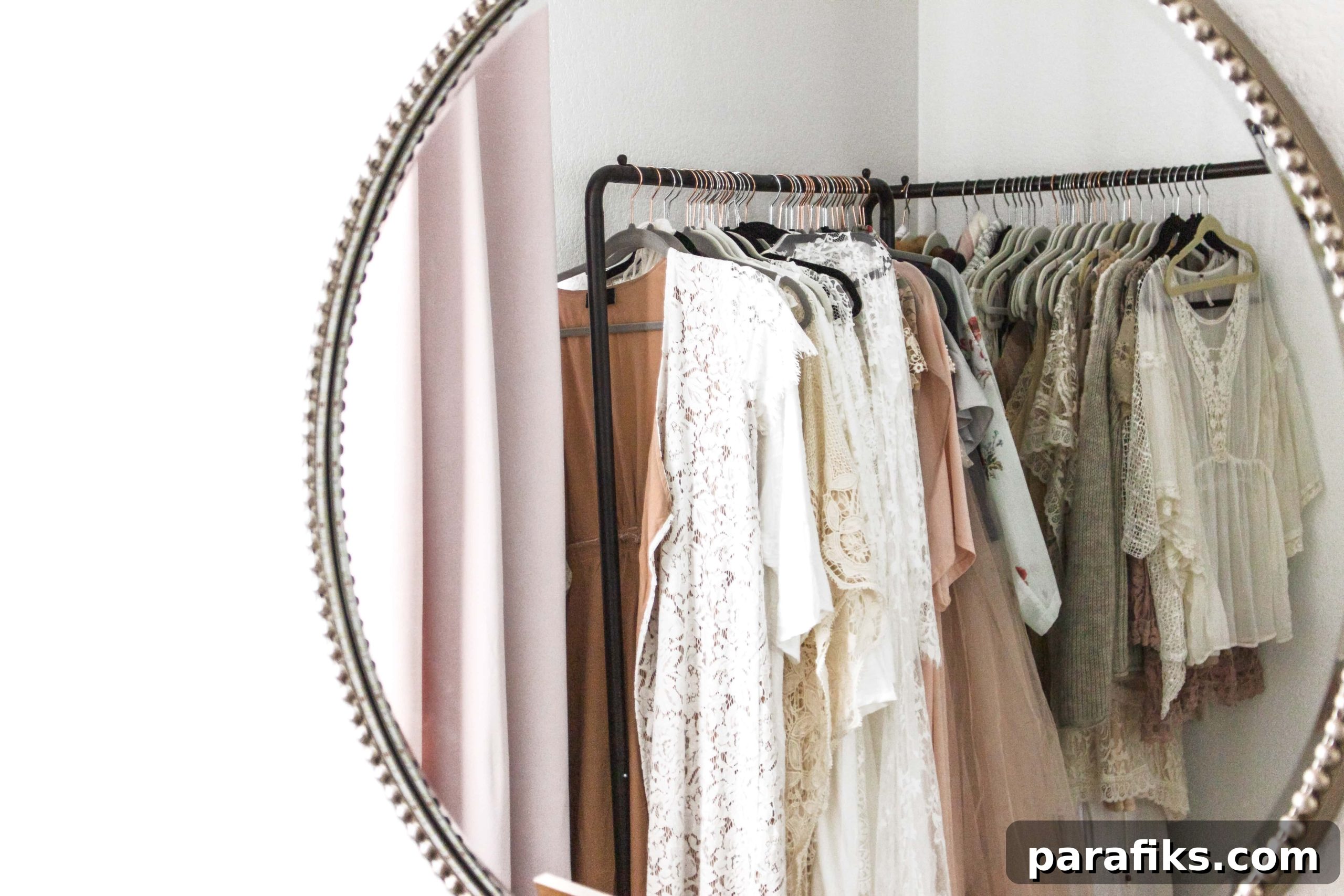
For context, I used to work at a secondhand clothing chain called Plato’s Closet, which buys and sells gently used apparel for young adults. I spent several years there, starting as a sales associate and eventually becoming a manager. Working in that environment taught me to appreciate quality items and the savings that come from buying secondhand. It’s still difficult for me to pay full price for clothing when perfectly good options are available at a fraction of retail cost.
Buying secondhand not only saves money, it also reduces waste and helps keep items out of landfills.
We’re all aware that landfill waste is a growing problem, and choosing secondhand is one practical way to help reduce that burden.
Yet some people view thrift shopping negatively—especially if the shopper has a high income.
I’ve been told that I shouldn’t shop at thrift stores or use coupons because those options are “for poor people.”
Some people claim that by shopping at thrift stores, wealthier shoppers are taking items away from those with fewer resources.
I’ve also heard criticism of people who buy items at thrift stores to resell for a profit; some call that practice “evil.”
Other comments I’ve encountered include these direct quotes:
- “Why donate if it’s not going to poor people?”
- “A person isn’t actually wealthy if they shop at Goodwill.”
- “Shopping at thrift stores is for people who can’t afford clothes.”
- “The wealthy shouldn’t be allowed to save money. They should leave it for the less fortunate.”
Personally, I believe thrift stores and discounts are available to everyone. People can hold their own opinions, but I suspect many critics don’t fully understand the environmental, social, and economic benefits of buying secondhand or the missions of nonprofit thrift organizations.
Related content:
- 15 Reasons You’re Broke And Can’t Save Money
- 30+ Ways To Save Money Each Month
- 8 Things To Sell To Make Money
- How To Ditch The Revolving Debt Cycle
As one tweet I posted sparked a lively debate, I’ll explain why I think anyone should be free to shop at thrift stores.
Everyone should be allowed to save money.
Saving money is not a privilege reserved for a certain income bracket—everyone has the right to spend less if they wish. Using discounts, coupons, or shopping secondhand is simply smart financial behavior.
Those who say the wealthy shouldn’t save are overlooking the simple reality: many affluent people are financially successful precisely because they make deliberate, disciplined choices about money. Thrift shopping and mindful spending are consistent with that approach.
Additionally, thrift stores provide benefits beyond individual savings—reducing waste, extending the life of goods, and supporting charitable missions. Stores are often overflowing with donated items, so there’s no realistic shortage caused by a few additional shoppers.
Practices like thrift shopping can be a small but meaningful step toward financial freedom, regardless of income level.
Related content: Why You Should Spend Like A Millionaire – The Frugal and Smart Money Habits of Millionaires
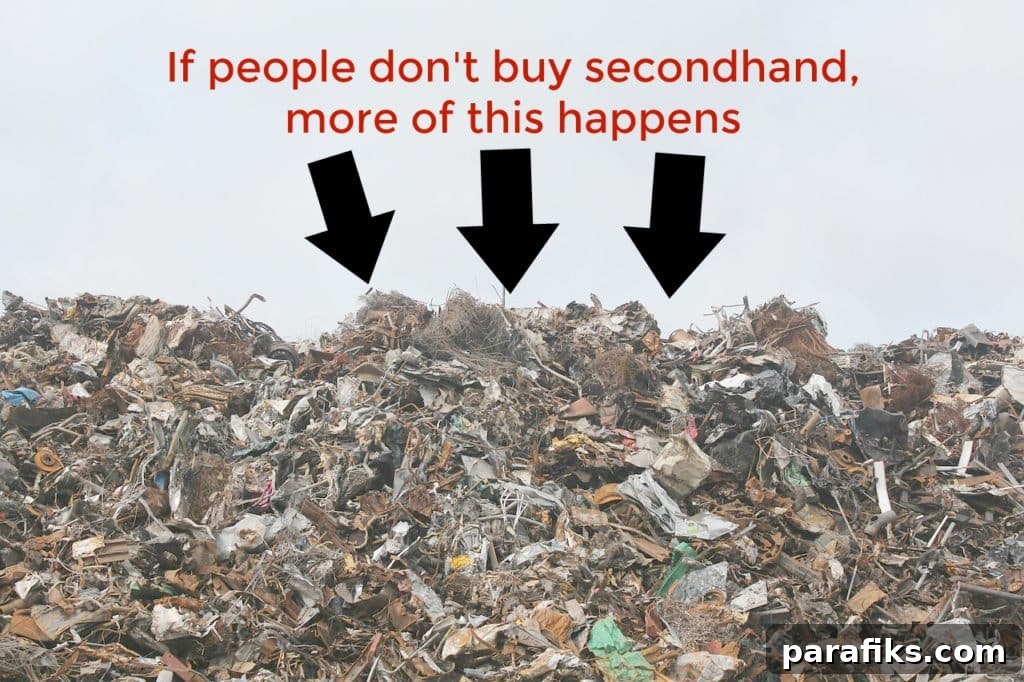
Shopping at thrift stores is environmentally responsible.
Thrift stores are full of items, and buying secondhand keeps products in circulation rather than sending them to landfills. According to the Environmental Protection Agency, textile waste reached millions of tons in recent years, and a large percentage of that ends up in landfills.
Estimates show Americans discard a significant amount of clothing annually. The decomposition time for common materials varies wildly: leather shoes can take decades to break down, nylon items take decades as well, while cotton decomposes much faster. Non-textile items such as tin and plastic can last from decades to centuries.
These figures highlight the environmental impact of our clothing and household waste. Choosing secondhand extends the usable life of these items and reduces long-term environmental harm. As more people shop secondhand, the fewer items will end up in landfills and the more goods will receive a second life.
Imagine the extra waste if thrift stores were off-limits to anyone—landfills would be even more overwhelmed.
Related: How Thrift Store Reselling Is Good For The Environment And How To Do It
There’s enough inventory at thrift stores for everyone.
In most cases, buying a single item at Goodwill or the Salvation Army won’t deprive anyone else. Many thrift stores handle massive amounts of donations—sometimes so many that they must turn items away because they lack space.
When my family downsized and donated most of our belongings to move into an RV, several donation centers refused items simply because they had too much of certain goods. That experience illustrates how abundant donations can be. For the most part, the items sold in thrift stores are nonessential goods—everyday things that aren’t life-or-death necessities.
There is plenty to go around, and thrift stores are unlikely to run out of basic household items and clothing anytime soon. The idea that wealthy shoppers are single-handedly depriving less fortunate people of necessities is not realistic.
Your purchases support the thrift store’s mission.
Nonprofit thrift stores like Goodwill and the Salvation Army sell donated items to generate revenue that supports job training, employment placement, and other community services. When more people shop at these stores, they contribute to the funds that make those programs possible.
For example, revenue generated by thrift store sales has been used to place hundreds of thousands of people into employment programs in past years. That outcome wouldn’t be possible without customers purchasing donated goods. Many nonprofit thrift organizations explicitly state that they sell donated items to fund community services and job training.
So, when people who can afford retail prices choose to shop secondhand, they still help further the mission of these organizations by supporting the revenue stream that pays for valuable programs.
What do you think? Should thrift stores and discounts be off-limits to people who can otherwise afford full-price items?