Hi, this is Michelle’s editor, Ariel! You may have seen me here before writing about turning a side hustle into a full-time job, living in a small house, and real-life frugality.
Recently I asked a question in a popular FIRE (Financial Independence, Retire Early) Facebook group:
Is anyone combining a zero- or low-waste lifestyle with their FI goals?
I posted it because those communities often emphasize flashy topics like investing strategies or boosting income—important, yes, but not always the most relatable advice for everyday goals.
It turns out I wasn’t the only one curious about practical approaches that help both the environment and your finances.
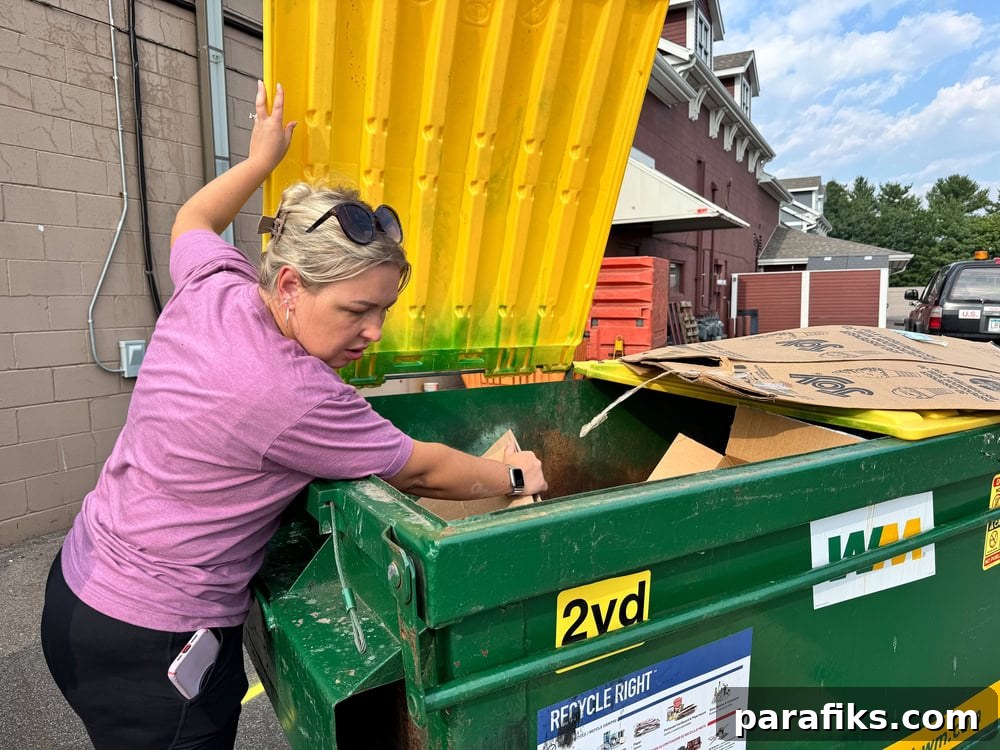
One reply stuck with me: “I started focusing on my waste… literally.” They went on to say that we are essentially buying our trash.
That idea resonated. If you’re working toward FI or simply trying to reduce monthly strain, doesn’t it make sense to pay for as little waste as possible?
I began thinking about easy, practical ways to cut waste while improving financial health. Below are five thoughts that are accessible and effective.
5 ways reducing waste can help you save money
1. Reduce, reuse, recycle — and prioritize the first two
Most of us learned the three Rs—reduce, reuse, recycle—as equally important. In practice, reduce and reuse have the biggest impact. Recycling has value, but it’s increasingly strained and not a complete solution.
Reducing purchases and reusing items prevents the energy and resources required to extract raw materials, manufacture products, and ship them to you. Every item you avoid buying new eliminates that whole chain, saving money and lowering environmental impact.
Practical examples:
- Buy used clothing. A pair of jeans from a thrift store can cost a fraction of a new pair—and manufacturing new denim carries significant carbon emissions.
- Choose reusable items: cloth napkins, refillable water bottles, and durable containers reduce recurring costs and waste.
- Repurpose things you’d normally toss: wash and reuse resealable bags, turn yogurt containers into food storage, reuse jars as cups or vases, and refill spray bottles with homemade cleaners.
2. Avoid convenience when it costs you more
Convenience can be tempting—especially with work, family, and side projects—but convenience often comes with hidden financial and environmental costs.
Take drive-through meals: along with added expense, you’re buying single-use packaging—fry cartons, condiment packets, and plastic straws. Instead, quick, simple meals at home—PB&J, eggs and toast, tuna salad—save money and trash.
Paying for convenience can be substantially more expensive and produce more waste than simple at-home alternatives.
Examples of convenience costs:
- Prewashed, bagged lettuce can cost double a whole head and adds plastic packaging.
- Grocery delivery fees add up—many services cost several dollars per order in fees and tips.
- Ready-made meals and meal kits tend to create more packaging waste and can be pricier than cooking at home.
- On average, ordering food is far more expensive than cooking; home-cooked meals can cost a fraction of takeout prices.
Meal kits can reduce food waste if you use all the ingredients, but planning a simple weekly menu and shopping with a list often matches or beats kits for cost and waste reduction. Budget-friendly recipe resources can make cooking at home easy and inexpensive.
3. Source food locally when possible
My family recently joined a local CSA (community-supported agriculture) program. Each week we get a share of produce and other items sourced within roughly 150 miles of our home. Some items cost a bit more, but overall it’s encouraged us to cook more and eat seasonally.
Buying local—through CSAs, farmers’ markets, or local sections at the grocery store—offers financial and environmental benefits:
- Reduced transportation emissions since local food travels far fewer miles than typical supermarket produce.
- Supporting local producers keeps money in your community, benefiting schools, services, and property values.
- Seasonal local produce is often cheaper than out-of-season imports.
Some local or organic items may be pricier; buy what fits your budget and make small changes over time. Those small choices add up.
4. Small actions matter
I’ve seen a trend of “sustainability shaming” online—criticizing people who make some eco-friendly choices but not others. That’s counterproductive. Lots of small changes combined lead to meaningful results.
Tiny habits compound—financially and environmentally.
Practical small steps you can take:
- Bike or walk for short errands if possible—save fuel and reduce emissions.
- Bring your own cup for coffee—many shops offer a small discount and you avoid a disposable cup.
- Turn off lights when not needed to save energy and reduce utility bills.
- Swap paper towels for cloth towels or rags. Over time this saves money and reduces waste.
None of these alone will solve climate change or instantly make you wealthy, but combined they create real progress and savings.
5. Keep your reasons in mind
When our kids were babies we used cloth diapers and got pushback from family. It wasn’t glamorous—no one enjoys dealing with diapers—but we did it because it aligned with our values and saved money over time.
Many eco- and money-saving measures are modest; others can be extreme. Whatever level you choose, people may not always understand. Stay focused on your purpose.
Remind yourself why you stopped buying paper towels, why you walk or bike, and why you buy used clothes: these choices help your finances and reduce environmental impact.
How easy is it to make better financial and environmental choices?
Right now it’s easier than ever to adopt positive habits. There’s growing public attention on environmental issues, and many households are dealing with high debt and tight budgets. That combination is encouraging more people to choose frugality and sustainability.
A few years ago bringing a reusable bag felt odd; now many places ban plastic bags. There’s increasing innovation and competition among companies offering money-management tools and eco-friendly products, making it simpler to act on these values.
With abundant information and practical options available, it’s a good time to try small changes and see the difference for your wallet and the planet.
What steps are you taking to reduce waste, reuse items, and save money?