Are you interested in learning how to start a profitable blog?
In this interview, Kristin Hanes of The Wayward Home shares how she built a successful alternative-living blog that generates $280,000 per year. Kristin writes about RV life, van life, tiny homes, boats and related topics, and she runs The Wayward Home Podcast as an extension of her brand.
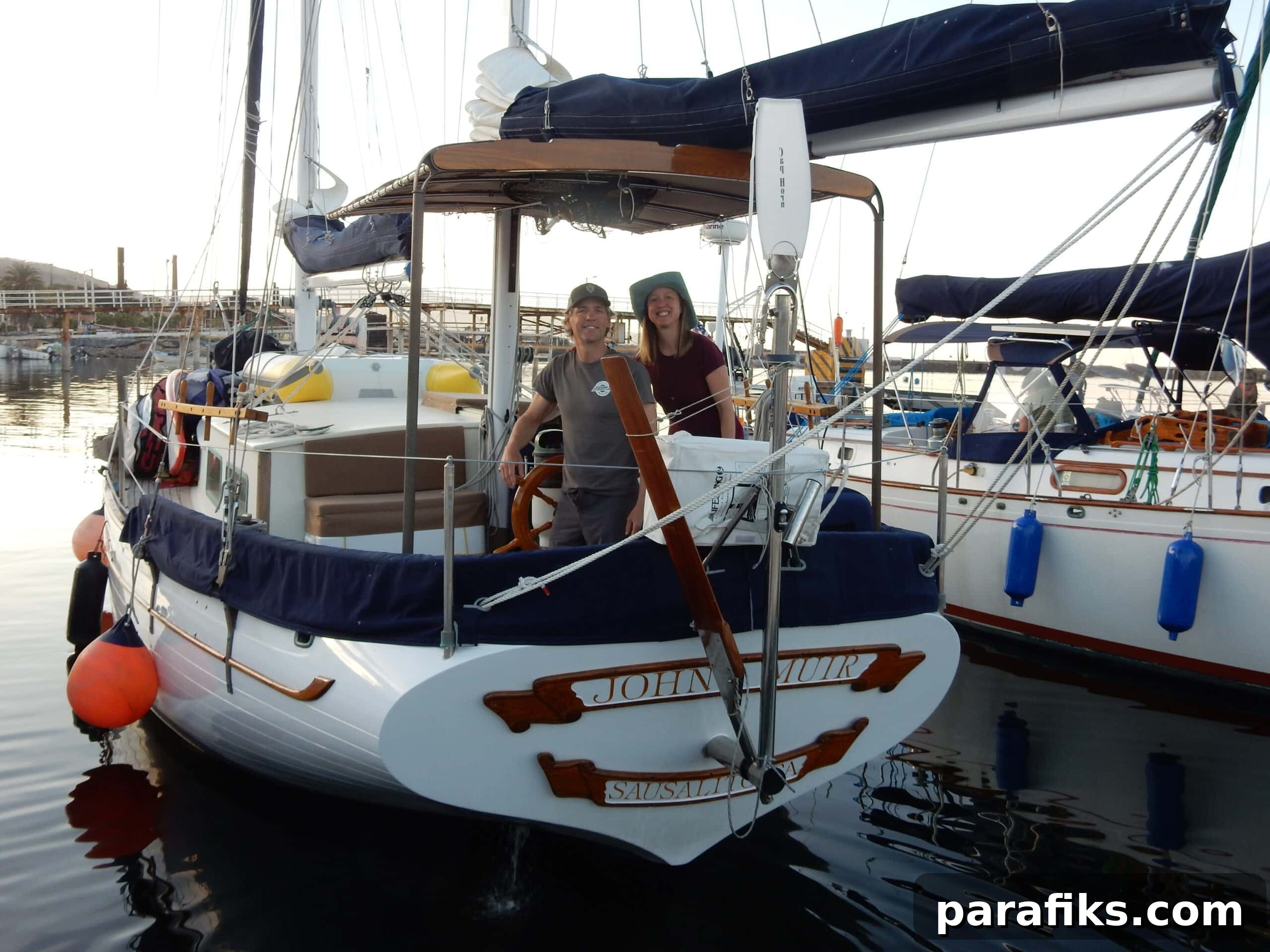
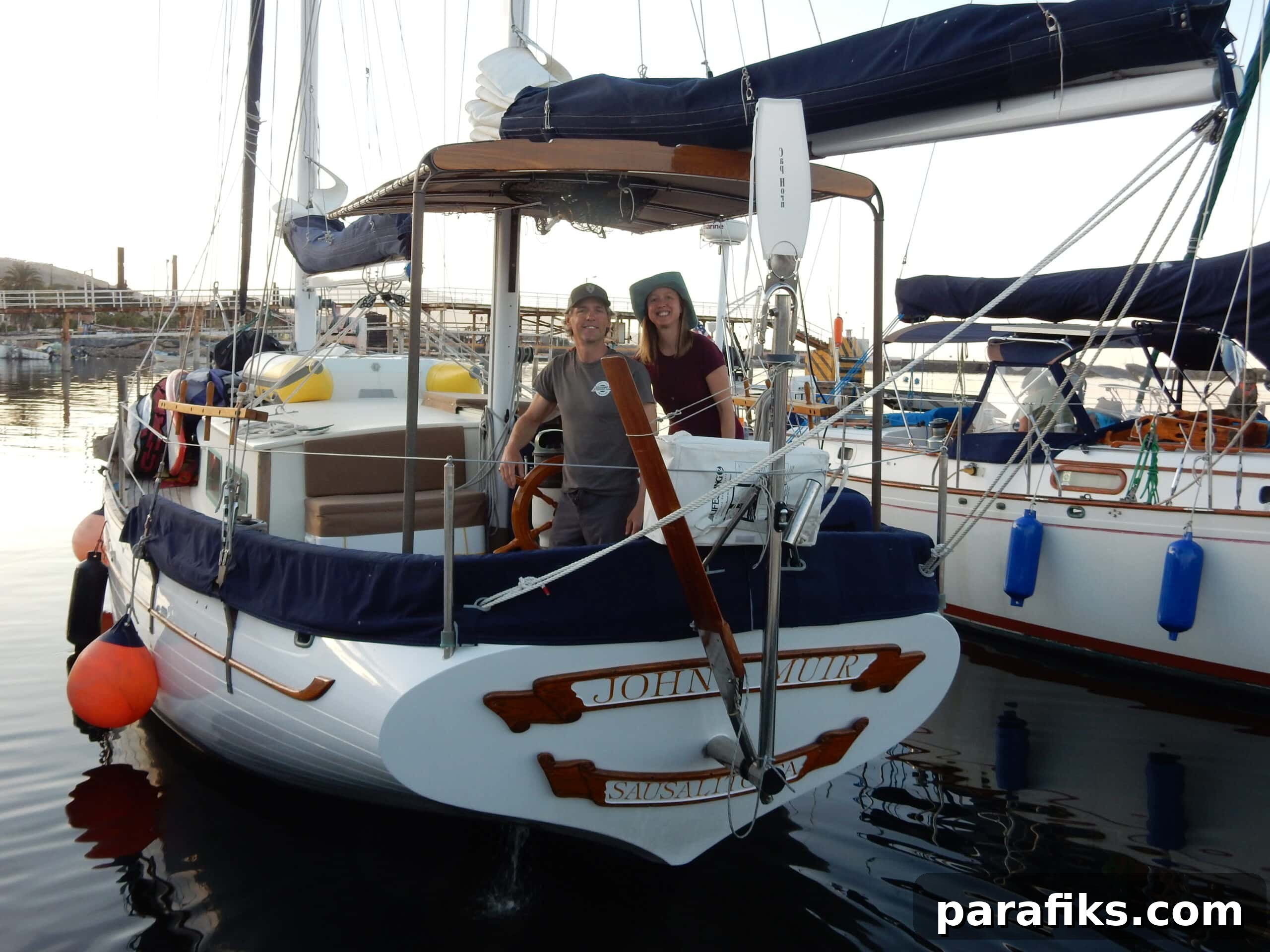
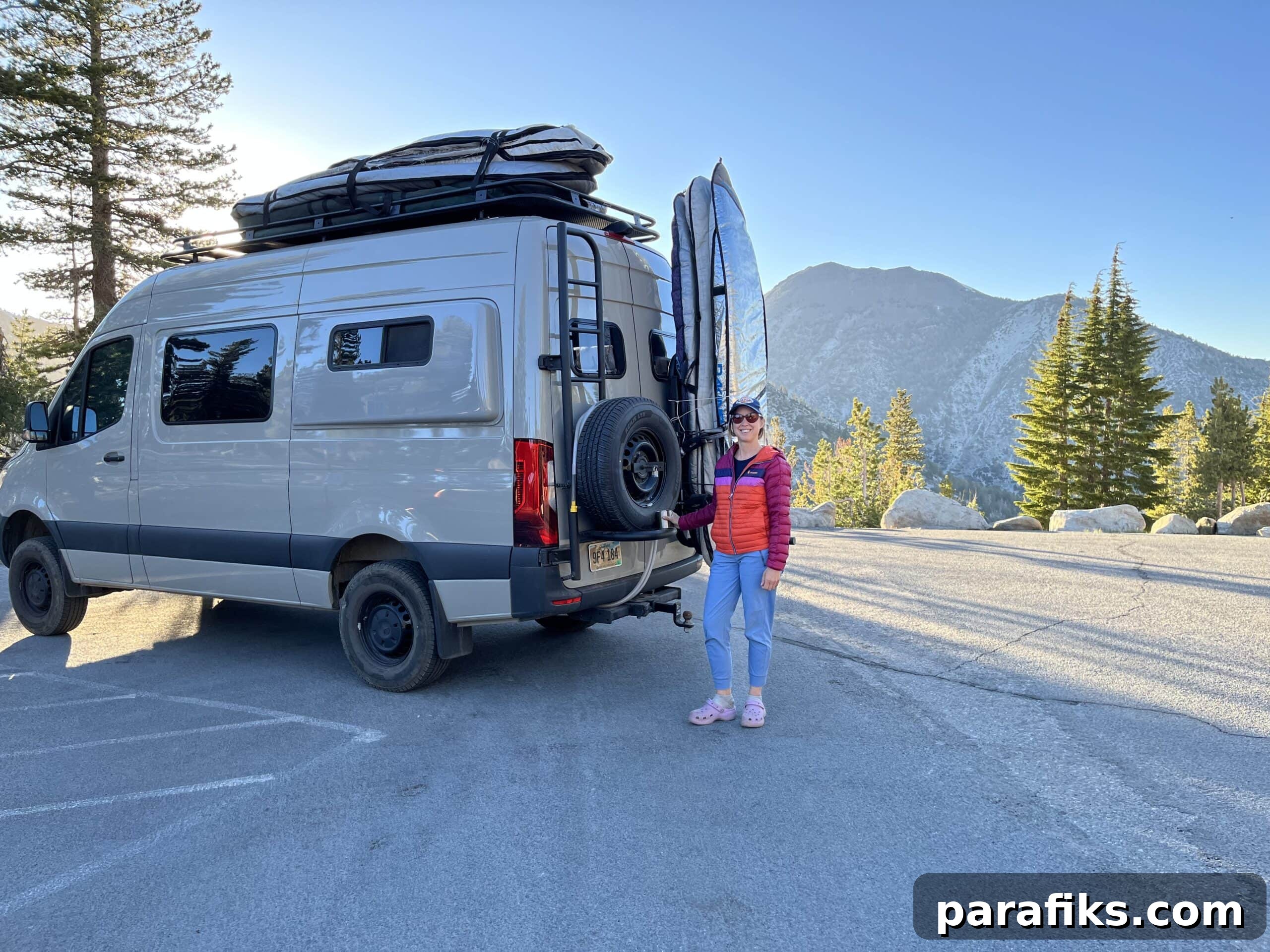
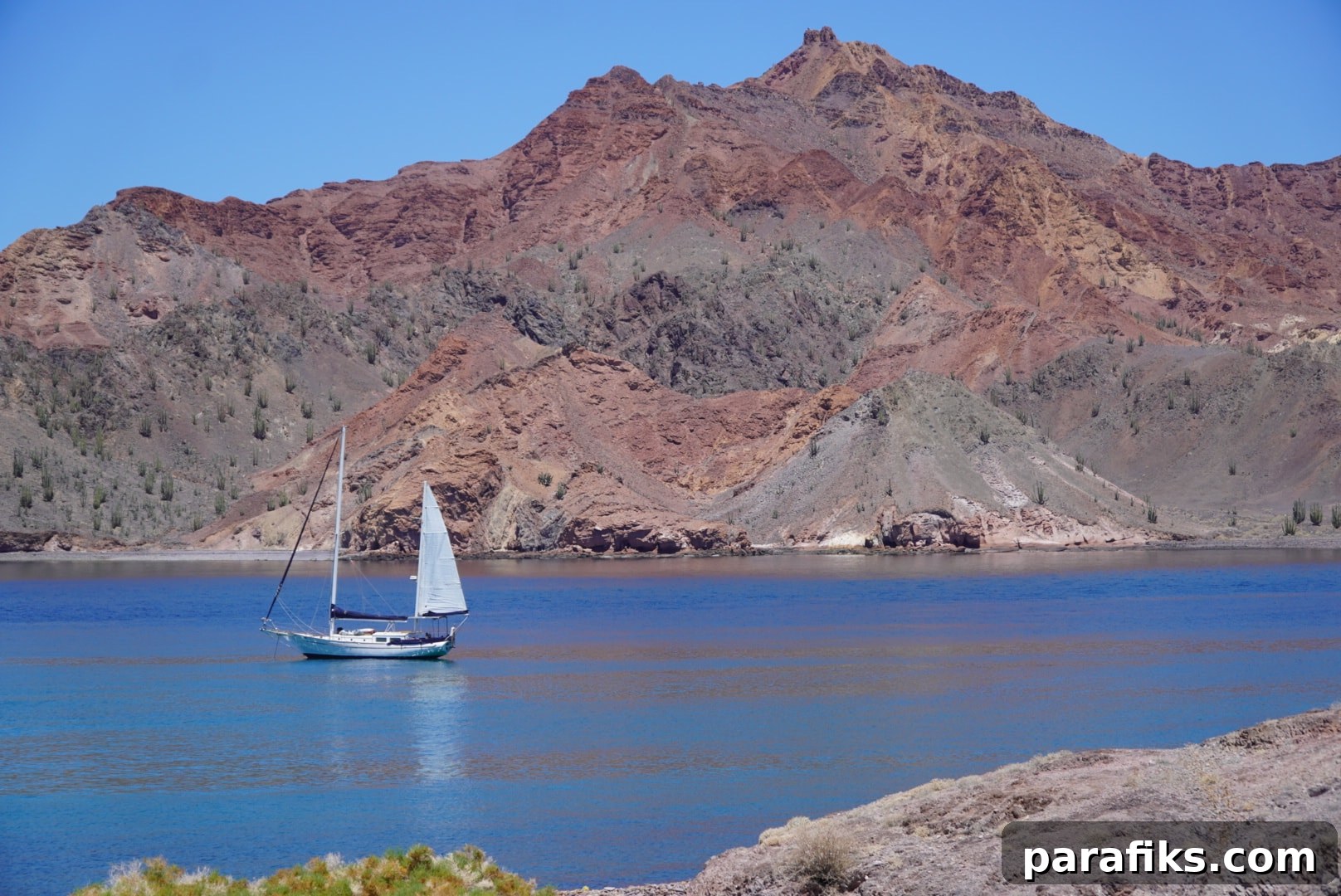
A former journalist and radio news reporter, Kristin now splits her time living on a sailboat and in a Sprinter van. Her writing about alternative living has appeared in publications like Good Housekeeping, Business Insider, Marie Claire and SF Gate, and she has been featured in outlets such as KPIX TV, Fodor’s and Lonely Planet.
This interview covers practical questions many new bloggers ask, including:
- How much she has earned over the years.
- How she monetizes her blog.
- Where she finds ideas for new posts.
- How she grows traffic and readership.
- How she balances travel and work as a digital nomad.
Read on for actionable tips to help you launch or grow a money-making blog.
Related content:
- 10 Best Things I Did To Build A $5 Million Dollar Blog
- How To Start A Blog Free Course
- How I Make $110,000 A Year As A Food Blogger
- 29 Best Stay At Home Jobs To Make $40,000+ Each Year
How I Make $280,000 Each Year Working Just 20 Hours A Week
1. A brief background — how did you get started and how long have you been blogging?
Hi, I’m Kristin. I started blogging in 2017, so I’ve been at it for several years now.
Before The Wayward Home, I spent 15 years as a radio news reporter on the U.S. West Coast. I kept a small hobby blog for friends and family, but had no idea blogging could be a profitable business until I discovered bloggers who shared income reports.
After being laid off from KGO radio in San Francisco in 2016, I wanted to build a remote income so I could embrace a more mobile lifestyle—my partner Tom had just bought a sailboat and we dreamed of traveling. Inspired by blogs that laid out the potential of online income, I signed up for a free “How to Start a Blog” email course, purchased hosting, installed WordPress, and launched The Wayward Home.
2. How did you learn the blogging business?
After the free course, I invested in deeper training. Two months after launching I enrolled in Elite Blog Academy, which cost about $800 at the time. Even while living aboard a boat undergoing renovations and using unemployment benefits, I chose to invest in education because I believed it would help me grow faster.
That investment paid off: within six months I sold my first private display ad and got accepted into Mediavine, a higher-paying ad network. Later, taking a focused SEO course dramatically increased my organic traffic. Today the site averages 300,000 to 500,000 monthly pageviews and reaches millions of readers annually.
3. How much do you earn as a blogger?
In 2022 I earned $280,000 from my blog—my highest year yet. I track income carefully and have watched it grow steadily as traffic improved and monetization diversified.
Some milestones:
- Year one: $7,000 with 400,000 pageviews (traffic largely from Pinterest and Google).
- Year two: $65,000 after improving SEO, with traffic split between Pinterest and Google.
- Recent year: $280,000, with over 60% of traffic coming from Google.
These numbers highlight how crucial Google rankings are for display-ad monetization. With consistent effort and investment, I progressed from occasional ad income to being able to afford major upgrades like a Mercedes Sprinter van and build a remote lifestyle around my work.
4. How do you monetize the blog?
My primary revenue comes from display ads through Mediavine, an ad management company. Display ads scale well with traffic—my ad income ranges from roughly $13,000 per month in slow months to $25,000 in strong months.
I also earn affiliate income, especially from gear reviews and recommendations for van life, RVing and boating equipment. In 2022 I increased affiliate revenue by about $30,000. Affiliate articles work best when I promote products I genuinely use and trust.
I accept a limited number of sponsored posts (I charged about $1,500 for an SEO-optimized sponsored article in recent years) but sponsorships are not my main focus. To diversify, I’m developing digital products, including a course called “Niche Sites Made Easy: The Nomad’s Guide to Making Money Online,” aimed at helping nomads build passive income online.
5. What do you enjoy most about blogging?
Blogging transformed my life in many ways:
- I write about what I care about—alternative living and travel—rather than assigned topics for clients.
- I’m my own boss, setting hours and priorities.
- My workload is flexible: after outsourcing to writers and a virtual assistant, I typically work 10–20 hours a week, with occasional bursts of heavier work.
- I can travel freely—spending summers in the U.S. and winters in Mexico—while running a business remotely.
- I enjoy connecting with a community of readers and fellow alternative-living enthusiasts.
- Running a business keeps me learning constantly; I still take courses and seek coaching to improve and expand.
6. Where do you find ideas for new posts?
Nearly all my content ideas come from keyword research. I use tools like Ahrefs and Surfer SEO to identify long-tail, low-competition keywords in the van life, RV and tiny house niches. With a domain authority around 50, I can target more competitive terms, but I focus on gaps where no one else is writing helpful, practical content.
I assign topics to specialist writers who live the lifestyle they write about—van lifers write van posts, RVers write RV posts, and tiny-house residents write tiny-home content. This authenticity resonates with readers and produces higher-quality articles.
7. How do you drive traffic to the site?
About 60–70% of traffic comes from Google organic search, with the rest mostly from Pinterest. I work with a Pinterest manager to maintain steady referral traffic, but organic search is the foundation because it’s predictable once you understand SEO fundamentals—though it comes with periodic risk from algorithm updates.
8. What tools and equipment do you use?
I invest in keyword and SEO tools like Ahrefs, Semrush and Surfer SEO. For hosting I use a service that supports my site’s size. I also rely on a MacBook Pro, reliable earbuds and a mouse for daily work.
Because I work while traveling, I pay for dependable internet: an AT&T hotspot and Starlink satellite, which are essential for consistent work on the road and at sea.
9. What makes a blog successful?
Key factors include:
- Niche selection—pick a topic with enough search demand and manageable competition so you can rank for long-tail keywords.
- Quality SEO and keyword research—find keywords you can realistically target and deliver helpful content that satisfies search intent.
- Persistence and grit—building a profitable blog takes months or years. Many give up during the waiting period; those who persist and keep learning often find success.
10. How do you balance traveling and working? Tips for digital nomads.
I didn’t travel full-time when I started; early stability helped me focus. At first I worked out of a gym café with free Wi‑Fi while our sailboat was in overhaul. We began traveling more consistently a few years into the blog once systems were in place.
To sustainably travel and run a business you should automate where possible—hire writers and a virtual assistant, schedule content in advance, and create clear workflows. It helps to set a work schedule, use time blocks, and set boundaries so you can enjoy travel without neglecting business responsibilities.
11. Additional advice for new bloggers
Choose a topic you’re passionate about—passion helps you stay committed during the long build phase. Also, treat blogging like a real business and be willing to invest in education: SEO, email marketing, affiliate marketing and Pinterest strategies all pay off over time.
Find community through blogger groups to share knowledge and stay motivated. Persistence, learning, and investment in tools and training make the difference between hobby blogging and creating a profitable, sustainable business.
12. What are your plans for the near future?
In 2023 I focused on finishing my course, Niche Sites Made Easy: The Nomad’s Guide to Making Money Online, and planned a book about van life that will include tips and personal stories. I also planned to refresh my podcast and explore additional digital products and potentially a membership for people interested in alternative living.
Running an online business opens many paths: products, courses, podcasts, niche sites and more. My goal is to help others build location-independent income so they can pursue nomadic living if they choose.
Are you considering starting a blog, working remotely, or living in a van or sailboat?