
In partnership with TransUnion.
Just a few years ago I carried roughly $40,000 in student loan debt. I hated that burden. My first loan bill arrived right after finishing my MBA — several hundred dollars a month for about ten years. The idea of paying such a large sum for so long was overwhelming.
I resolved to pay off my student loans as quickly as possible.
Learning how to pay off student loans brought many benefits, including:
- Reduced financial stress.
- More money available for higher priorities, like saving for retirement.
- Freedom to pursue other goals such as traveling or changing careers.
Paying off my loans is one of the best decisions I’ve made. It wasn’t easy to eliminate the balance so fast, but it was absolutely worth it. No longer having those monthly payments hanging over me felt like a huge relief and opened the door to new opportunities.
Eliminating that debt allowed me to move forward: I could refocus on other financial goals, take control of my credit, and plan for the future. The sense of control and relief after paying off my debt so quickly was incredible.
You can do this too. With determination and a plan, you can reach your financial goals, reduce stress, and improve your credit score by paying down debt and shifting to other priorities.
My credit score is now in the 800s — a level I achieved without extreme measures.
Your credit score matters. While you shouldn’t obsess over it, understanding credit is important because it affects many areas of life.
A credit score influences the interest rates you receive, your ability to buy or rent a home, access certain jobs, and the cost of insurance. A credit score is a three-digit number representing your creditworthiness and risk level, based on transactions and accounts lenders report.
Because this data drives important decisions, monitoring and managing your credit is essential. There are tools available that make tracking and improving your credit accessible.
Why is improving your credit score important? What can it impact?
Your credit score and history matter in many situations. Spending time to improve your score pays off because you never know when it will be important.
Your credit score can impact:
- Loans (mortgage, car loan, etc.) – Lenders check your credit history before approving loans to assess risk and set terms.
- Home and car insurance – Insurance companies may consider credit when calculating your rates.
- Renting a home – Landlords often review credit reports to see whether tenants reliably pay bills on time.
- Credit cards – Better credit increases access to cards with stronger rewards and better terms.
- Employment – Some employers (with your permission) check credit reports, especially in finance, defense, or chemical industries.
- Interest rates – A higher credit score typically qualifies you for lower interest rates; a lower score can mean higher costs.
To monitor and manage credit, I recommend using reputable tools that help you track your report, simulate changes, and protect your identity. These tools help you understand how actions—like taking a new loan—might affect your credit and enable better-informed decisions.
How can a person improve their credit score?
Improving your credit score doesn’t have to be complicated. Once you know what affects your score, you can take steps to raise it. Here are practical tips that helped me and can help you too:
- Pay your invoices and bills on time.
- Check your credit report regularly. Errors can appear and harm your score; correct mistakes promptly.
- Keep balances and credit utilization low—aim for under 20% of available credit when possible.
- Keep older credit card accounts open if they have no costly fees and you can manage them responsibly, as they lengthen your credit history.
- Pay credit card balances before they’re reported. Even if you pay in full each month, reported balances can affect utilization.
- When rate-shopping for a loan, submit applications within a short window so multiple inquiries count as one for scoring models.
- Protect against identity theft. Fraud can create delinquencies on your report. Use identity protection and monitoring services to safeguard your credit.
Below is an informative infographic that visually explains credit-building steps and how various factors affect your score.
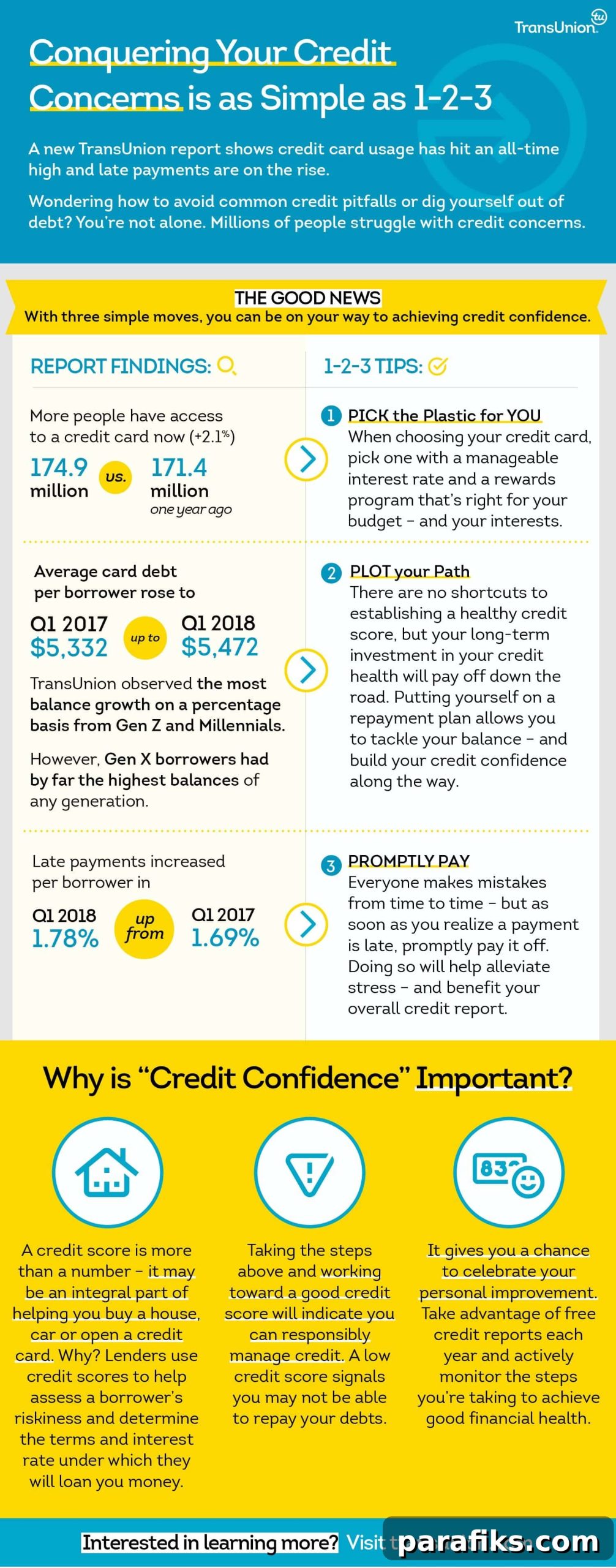
Are you working to improve your credit score? Taking consistent, informed actions—paying on time, monitoring your report, lowering utilization, and protecting your identity—will move you in the right direction and help you reach your financial goals.