
Do you want to travel as a student without spending a fortune or missing out on memorable experiences?
I visited countries across South America, Asia, Europe, and Australia while I was in college, and I didn’t have tons of money. I learned practical ways to travel cheaply—often with little to no cash—and in this article I’ll share the exact strategies I used so you can do the same.
Inside this guide you’ll find:
- Practical tactics for traveling on a very tight budget
- Some of the cheapest student-friendly destinations
- Underrated places worth visiting
- Top destinations and approaches for college travelers
Read on for realistic, tested tips that let you see the world without breaking the bank.
How to Travel on a Student Budget Without Missing Out
Below are the exact techniques I used to travel internationally as a student with limited funds—while still enjoying full experiences and local culture.
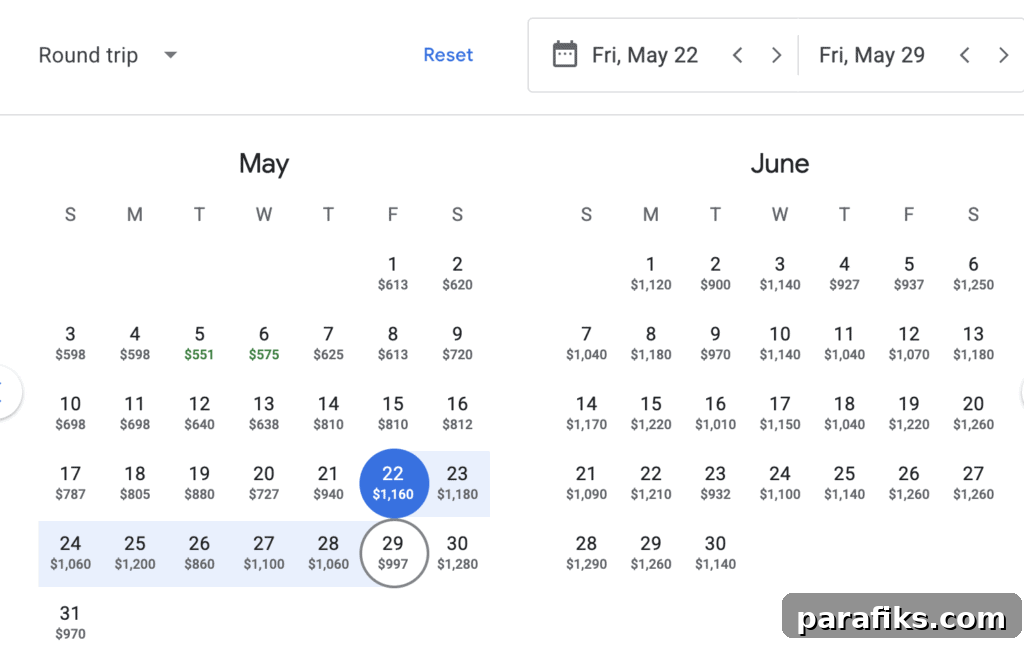
1. Be flexible
Flexibility is one of the biggest budget tools you have. Small adjustments to dates or destinations often save hundreds on flights and accommodation.
For instance, searching a specific week might show a high fare, but moving your trip by a week or two can cut the price dramatically. The same principle applies to accommodations: rates change depending on demand and timing.
Traveling in shoulder or off-seasons also reduces costs and crowds, letting you stretch your budget further while still enjoying the destination.
2. Book ahead
Planning ahead gives you more options and better pricing. Last-minute bookings often mean higher costs and fewer choices.
Use fare comparison and booking platforms to compare options and lock in better prices early. Booking in advance helps you budget accurately and avoid unexpected expenses.
3. Travel slower
When you move slowly and stay longer in one place, your per-day costs drop. Constantly changing locations adds transportation costs, often more expensive short-term stays, and the stress of packing and transit.
Settling in a town or city for a week or more lets you find cheaper weekly rentals, shop at local markets, and experience the place more deeply while saving money.
4. Use student discounts and deals
Student discounts are frequently overlooked but easy to access. Present your valid student ID—many hostels, museums, transit systems, and tour companies offer reduced rates.
Also consider loyalty programs for airlines, hostels, or train networks that include student perks. Always ask about student pricing—savings add up fast.
5. Stay in hostels
Accommodation is usually the largest travel expense. Hostels cut costs significantly and are often social hubs where you can meet other travelers.
Hostels typically offer dorms with shared bathrooms and sometimes private rooms. Prices vary by country—budget hostels in Eastern Europe and Southeast Asia can be extremely affordable, while hostels in Switzerland or North America are more expensive.
6. Earn extra money for travel
Even modest extra income can fund flights, food, or special experiences. Side hustles are ideal for students since they’re flexible and can be done alongside classes.
Side hustle ideas include:
- Freelancing online (writing, design, coding)
- Blogging
- Babysitting or tutoring
- Playing games and earning small payouts
- Pet sitting or dog walking
- Grocery or food delivery
- Selling printables or secondhand clothes online
Even an extra $300–$500 a month can finance multiple low-cost trips over a year.
7. Try work exchanges
Work exchanges trade a few hours of work per day for free accommodation and sometimes meals. Popular options include farming, hostel work, eco-projects, and language teaching.
Work exchanges reduce living costs, let you stay longer in one place, and offer deep cultural immersion while connecting you with locals and other travelers.

8. Become an au pair
Being an au pair is a great way to live abroad long-term with major expenses covered. As an au pair you usually receive room and board, sometimes a small stipend, and the opportunity to learn a language and experience daily life in another country.
Au pairing is a practical option for students who want extended stays, cultural exchange, and the chance to travel locally on weekends without high accommodation costs.
9. Pack light
Packing minimally saves money on baggage fees and makes transport between destinations easier. Avoid overweight charges and skip checked luggage when possible by bringing versatile, multi-use clothing.
Light packing also simplifies travel on trains, buses, and budget airlines and reduces time spent at airports waiting for luggage.
10. Use public transportation
Public transit is almost always cheaper than taxis or rideshares. In many cities it’s faster and more convenient than driving, and student transit passes provide further savings where available.
Learning a city’s transit system might feel intimidating at first, but the money saved compared with taxis or private rides is substantial.
11. Seek free activities
Free options let you experience local culture without spending on expensive tours. Explore parks, beaches, street markets, and free walking tours. Many museums have free entry days—plan visits around those.
Search online for “free things to do” in your destination to find local events, festivals, and sights that cost nothing but still make great memories.
12. Save on food
Food can quickly consume your budget if you eat exclusively at tourist restaurants. Save money by eating where locals do, cooking in hostel kitchens or Airbnbs, sampling street food, and shopping at markets.
Simple strategies include bringing snacks for day trips, choosing hostels with free breakfast, and checking for student discounts at restaurants.
13. Go camping
Camping reduces accommodation costs dramatically. While initial gear can be an investment, used equipment or borrowing from friends lowers the upfront cost.
Many campsites are inexpensive, and some wild camping spots are free—camping is a budget-friendly way to see nature and save on lodging.
Frequently Asked Questions
Here are answers to common questions about traveling on a student budget without missing out on experiences.
How can I travel cheaply as a student?
Travel cheaply by choosing budget accommodations like hostels, participating in work exchanges (Workaway, WWOOF), housesitting or petsitting, and using ride-sharing services and local transport to cut costs. Plan ahead, travel off-season, and use student discounts wherever possible.
Is $1,000 enough for a vacation?
In many regions—Southeast Asia, parts of Central America, and some Eastern European countries—$1,000 can go a long way if you’re careful with airfare, accommodations, and activities. Stretch your budget by traveling off-season, using hostels, camping, and prioritizing free activities.
Where is the cheapest and safest place to travel?
Affordable and generally safe destinations include parts of Eastern Europe (Poland, Hungary, Slovenia, Czech Republic), Southeast Asia (Thailand, Vietnam, Malaysia, Indonesia), and Central America (Costa Rica, Nicaragua, Guatemala). Always research current safety guidance and local conditions before traveling.
Where to travel when you’re broke?
If money is tight, consider budget-friendly destinations such as Mexico (Mérida, Oaxaca, Puebla, Guanajuato), Portugal, Albania, Vietnam, and Guatemala—places with low daily costs, affordable food, and budget lodging options.
Summary: How I Traveled the World on a Student Budget (Without Missing Out)
Traveling as a student on a tight budget is entirely possible with planning and creativity. By being flexible, booking smart, staying longer in one place, using hostels, exploring work exchanges or au pair positions, and seeking free or low-cost activities, you can visit amazing places without sacrificing meaningful experiences.
I hope these tips inspire you to explore more of the world while staying within your budget. Where would you like to travel next?