Unfortunately, phone and online scams are widespread and continue to victimize people every day. The Federal Trade Commission reported that in a single year millions of Americans lost money to fraud, and other research estimates place losses from specific schemes—like the notorious 419 email scam—at billions of dollars annually. These scams evolve constantly, so staying informed and cautious is essential.

Scammers rely on emotion, urgency, and deception. Some scams are obvious: poorly written messages or unrealistic promises. Others are sophisticated and mirror real companies’ branding to trick victims into revealing sensitive information. Because people still fall for these scams, fraudsters keep trying new tactics.
Here are general safety rules to help you avoid becoming a victim:
- If an offer or request sounds too good to be true, it probably is.
- Keep personal information private and only share it when you are certain it’s necessary and legitimate.
- Do not rely solely on the displayed sender name in an email—addresses can be spoofed or cloaked.
- Watch for spelling or grammar mistakes; many scam messages contain errors that reveal their illegitimacy.
- Never click links or download attachments from suspicious emails.
- Create strong, unique passwords and enable two-factor authentication where available.
- Before sending money or personal data, verify the request by contacting the company or person through official channels.
Common phone and online scams people still fall for
No, the IRS will not ask you to pay with iTunes gift cards
One widespread phone scam impersonates the IRS and demands immediate payment under threat of arrest. Scammers instruct victims to buy iTunes or other gift cards and read the card numbers over the phone as “proof” of payment. This is fraudulent—government agencies never demand payment via gift card.
Retail staff have become more aware of this tactic and sometimes refuse large gift-card purchases for this reason, but some people still fall victim. If someone calls demanding payment by gift card, hang up and contact the real agency directly using a verified phone number.
The 419 email scam
The so-called 419 scandal, often called an advance-fee scam, typically begins with an email from a stranger claiming to be a foreign official, royal family member, or business person who needs help transferring funds. The scammer promises a large reward in exchange for upfront fees or bank details. Victims who send money or provide account information receive nothing in return.
If you receive an unsolicited message promising large sums from foreign sources, delete it. Legitimate contacts do not request personal or financial help from strangers by email.
Romance and online relationship scams
Online dating and social platforms can be genuine ways to meet people, but scammers exploit emotional connections to obtain money or personal information. They often create plausible backstories and maintain contact long enough to gain trust, then introduce an urgent crisis that requires financial help.
Take your time, verify identities with video calls, and be skeptical of requests for money—especially if the person avoids meeting in person or providing verifiable details about themselves.
“You won” lottery and prize scams
Lottery scams notify you that you’ve won a foreign or unfamiliar sweepstakes and demand fees or personal data to release the prize. Real lotteries don’t notify random people by email about winnings they never entered, and they never ask for payment to collect winnings.
Always question unexpected prize notifications and never send money or sensitive information to claim a prize.
Job offer scams
Recruitment scams promise easy employment with high pay and minimal screening, then request sensitive information such as social security numbers or bank details under the guise of payroll setup. Sometimes they offer upfront payment for equipment or training that never materializes.
Legitimate employers conduct interviews, provide clear documentation, and don’t require private information until after a formal hiring process. Verify job postings, research the company, and avoid sharing financial details before confirming legitimacy.
PayPal and payment-service phishing
Phishing emails impersonating PayPal and other payment services are common. These messages claim account issues and urge the recipient to click a link to resolve the problem. The link often leads to a fake login page that captures credentials.
Protect yourself by not clicking suspicious links. Instead, type the service’s URL into your browser or use the official app to check for messages. Confirm any requests through the service’s verified contact channels.
Craigslist rental scams
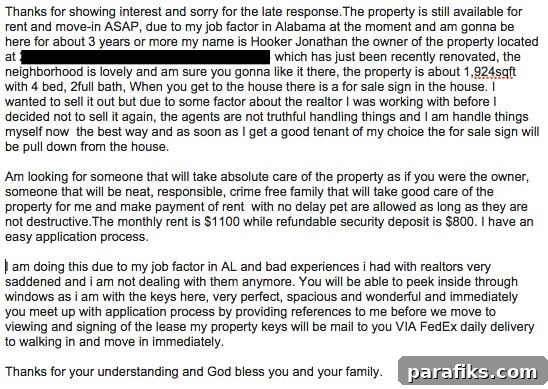
Rental scams prey on people searching for housing. Common schemes include fake landlords collecting deposits for properties they don’t own, offering below-market rates to entice quick deposits, or listing legitimately vacant properties (foreclosures or owners away) and then evicting tenants when the real owner appears.
Safeguards include verifying property ownership, viewing the property in person with the owner present, using secure payment methods, and avoiding wire transfers or cash deposits to unknown parties.
Scammers adapt quickly, but common-sense precautions and vigilance go a long way. When in doubt, pause and verify—contact the organization directly, check for consistent and professional communication, and never rush into sending money or sharing sensitive information.
Have you encountered any scams or nearly fell for one? Share what happened so others can learn from real experiences and avoid similar traps.