
Do you want to learn how to become a tutor? Here is how Making Sense of Cents reader Trevor Klee earned $90,000 in one year working part-time with his tutoring business! If you have a laptop, an Internet connection, and enjoy standardized tests, you can make six figures part-time. He shares his expertise on how to start a tutoring business below.
Unlike many people, I graduated college with a job lined up—until it fell through. I moved back in with my parents, grew tired of the passive-aggressive looks, and started applying for new positions. Soon after, I landed a tutoring job in Singapore. I had tutored part-time in college and was good at standardized tests, but I’d never been to Singapore.
Singapore was incredible: beautiful, convenient, safe, and home to some of the best street food I’ve ever had. Meals cost just a few dollars and were amazing. My job, however, was disappointing. The tutoring company charged students thousands for group classes and hundreds per hour for private lessons while paying tutors a small fraction of the revenue. They provided no training, their materials were poor, and tutors bore the brunt of any customer disputes. The only advantage the company had was its lead flow. If I could capture those leads myself, I could keep the revenue and control the service.
So I quit, left Singapore, and returned to the U.S. I moved to Cambridge, MA—where I had spent a summer and where my brother lived—and started my own tutoring business from his sleeper sofa. My first ad on Reddit said: “GMAT tutor offering free tutoring in exchange for testimonials.” I received responses, worked hard, experimented, failed a lot, and gradually built a sustainable business.
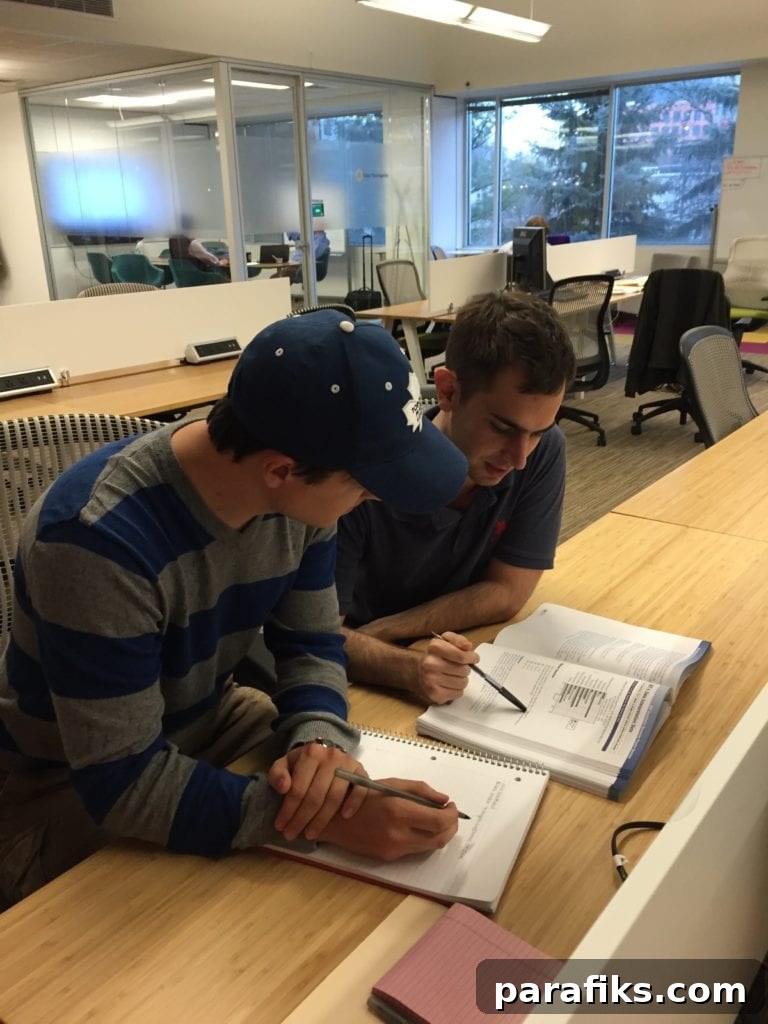
What it entails to become a tutor
I operate independently. I spend time in a coworking space, alternating between client sessions, prep work, and side projects like writing. Clients find me through my tutoring website seeking help for exams; most are recent college graduates or young professionals preparing for graduate school or career changes.
My current client mix includes Harvard students studying for the GRE, late-20s professionals preparing for the GMAT, and a mid-30s client from Asia transitioning careers. When someone contacts me, I follow a straightforward sales process: a few introductory emails to learn about their goals, a phone call to discuss fit, and an in-person meeting to confirm expectations. I avoid high-pressure sales tactics—my goal is to ensure both of us are comfortable working together.
When we agree to work together, I typically provide 10–20 hours of in-person tutoring over two to three months. These engagements are often temporary and come in waves, so I rely on shared spreadsheets that students update to track progress and keep everything organized.
Who is tutoring well suited for? Generally:
- Nerds: If you enjoy algebra, logic puzzles, and intellectual challenges, this job is a good fit.
- People comfortable with solitude: Independent tutors spend much of the day alone and primarily interact with clients.
- Self-starters: You’re your own boss. If you don’t set and meet your goals, the work won’t get done.
How much it pays to learn how to become a tutor
I charge $125/hour for exams like the GRE and LSAT and $160/hour for the GMAT. Typical clients book 10–20 hours, so revenue per client ranges from $1,250 to $3,200. I usually work 15–20 hours per week tutoring, and in 2017 my revenue was $90,189.
How others can get started with online tutoring jobs
I’ve built a full website about how to start a tutoring business, but the short version is:
1. Find a niche
Choose a specialization you can credibly claim expertise in. General “math” tutoring often commands modest rates, while a focused niche like “GMAT math” allows you to charge premium hourly rates.
2. Create an effective tutoring website
Your site should build trust. Prominently display contact information, testimonials, test scores, and relevant affiliations so prospective clients can quickly evaluate your credibility.
3. Develop a web presence
Be discoverable on platforms like Google My Business and review sites. Make it easy for clients to find you and read reviews from past students.
4. Offer free tutoring for testimonials and reviews
Early social proof is essential. Offering a limited number of free sessions in exchange for honest testimonials can help build momentum and trust that leads to paying clients.
The problems people run into as a tutor
Tutoring isn’t a high-risk trade like construction, but it has challenges. The worst outcomes are unhappy clients or payment disputes. People dislike unexpected charges, so clear policies and transparent billing are essential. I require payment up front for blocks of five to ten hours, which reduces no-shows and payment disagreements.
Clients can also be dissatisfied if the tutoring doesn’t meet expectations. Charging premium rates carries a responsibility to deliver high-quality instruction. If you don’t, clients will be disappointed. The solution is to continually improve your teaching skills and clarify outcomes up front.
What I’ve learned about marketing as a tutor
I made several early mistakes in marketing. I thought “getting my name out there” through flyers or broad outreach was the most important task, and I tried to compete on price. Both tactics were inefficient. As a tutor, you’re a skilled professional and clients’ primary question is: “Can I trust this person to get the results I want?” If you don’t answer that question, price and visibility matter less.
I stopped investing time in generic awareness tactics and focused on strategies that build trust: a polished website, clear testimonials, strong reviews, and case studies showing measurable results. Pricing matters, but it’s secondary. Clients who choose primarily on price rarely make the best long-term customers.
What I’ve learned about teaching as a tutor
Teaching well requires both instructional skill and a deep understanding of how people learn. Many people believe they’re “bad at math” simply because they never learned effective study habits. Tutors must teach students how to learn, not only what to learn.
Structure your lessons so students understand the purpose behind each topic. I present a problem first, let the student attempt it, and then guide them through correct methods when they struggle. Avoid the extremes of lecturing the entire time or leaving students completely on their own. Provide intermediate scaffolding—start problems for them, ask leading questions, and gradually reduce support as they gain competence.
Learning requires struggle and repeated practice. Students must be willing to make mistakes; errors are where the most durable learning occurs. Return to challenging problems until the process becomes reliable. Repetition turns weaknesses into strengths.
Conclusion on how to become a tutor
Tutoring isn’t for everyone: it can be solitary, demands intellectual stamina, and requires running the operations of a small business—marketing, billing, and delivering results. For those willing to take it on, independent tutoring can offer a rewarding lifestyle and strong income potential. I’m glad I took the leap from my brother’s couch and built a business that supports the life I want.
Author Bio: Trevor Klee is a GMAT, GRE, and LSAT tutor in Boston. He blogs about the business of tutoring at JustAddTutor.com.
Are you interested in learning how to become a tutor and finding online tutoring jobs?