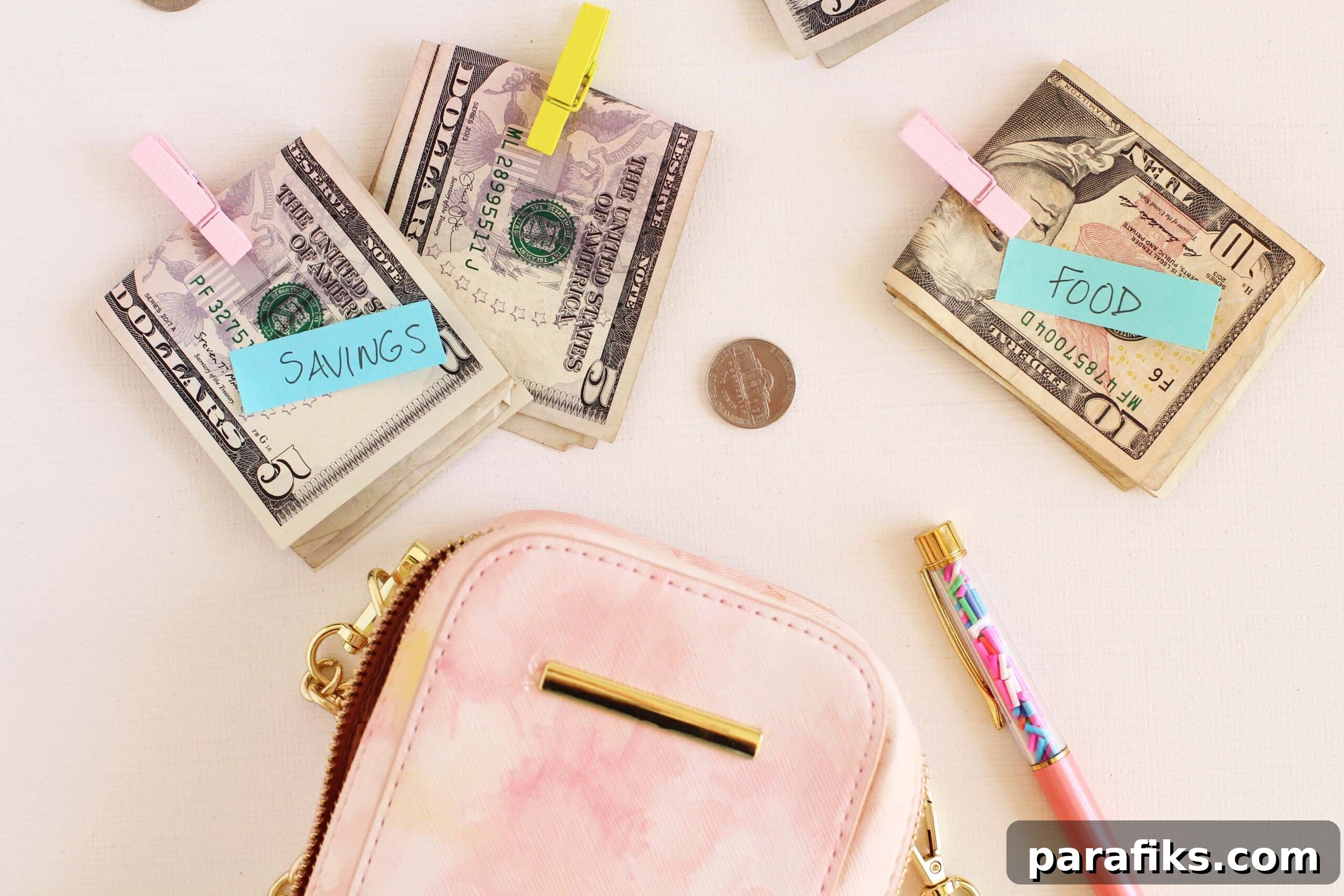
Right now you might be thinking, “saving money is NOT fun.”
But that belief isn’t necessarily true.
Perhaps you don’t get as excited about savings as some people do, but there are plenty of practical and enjoyable ways to make saving money feel rewarding. When saving becomes more engaging, you’re far more likely to stick with it and build stronger financial habits.
Many people grow weary of paying down debt or building savings because the process can feel repetitive or unmotivating. That’s why finding ways to make saving fun is one of the most effective approaches to reaching your financial goals.
Below are actionable tips and ideas to help you turn saving into an enjoyable, sustainable habit.
Challenge yourself.
Setting challenges keeps your goals at the forefront of your mind and boosts motivation. Try a few creative challenges to make saving more interesting:
- Join a structured savings challenge, like a gradual contribution plan that helps you save steadily and reach meaningful totals.
- Focus on specific spending categories where you habitually overspend — such as gas, dining out, or utilities — and try to beat your previous month’s totals.
- Match every discretionary purchase with a deposit into savings. For example, if you buy a $35 shirt, also transfer $35 to savings or towards debt. This makes wants feel costlier and discourages impulse purchases.
- Try a no-spend challenge (explained below) to test how creative you can be with what you already own.
Take part in a no-spend challenge.
No-spend challenges can feel restrictive at first, but they’re a great exercise in creativity and awareness. By limiting purchases for a set period, you learn to use what you have and identify unnecessary spending habits.
Structure your no-spend challenge so it fits your life — you might avoid buying clothing, pantry staples, coffee, or nonessential items for a week, a month, or another timeframe.
Benefits of a no-spend challenge:
- Reduces impulse purchases.
- Encourages finding value in what you already own.
- Provides a motivational boost when you see savings accumulate.
- Reveals underlying spending triggers and habits.
- Helps declutter and reduce waste by using items before replacing them.
Compete with others.
Adding a social element turns saving into a friendly competition. Partner with friends, family, or coworkers and set shared goals, deadlines, or milestones.
Like a workout buddy for finances, an accountability partner can celebrate wins and offer support through setbacks. You can compete on who saves the most in a month, who goes the longest without buying a particular item, or who pays down debt fastest.
Read personal finance blogs.
Following personal finance blogs can keep you inspired and informed. Reading about real people’s successes and strategies introduces fresh ideas, practical tips, and community support — all of which help you stay committed.
Blogs often share creative challenges, step-by-step projects, and tested tactics that can be adapted to your situation.
Make your financial goal visual.
Visual reminders make goals feel tangible and keep motivation high. Displaying progress in a visible way turns abstract numbers into something you can track and celebrate.
Ways to visualize your financial goals:
- Create a progress graphic — for example, divide a picture of a house into segments and color in pieces as you pay down the mortgage or reach saving milestones.
- Keep a photo of your goal (a vacation spot, dream home, or item you’re saving for) where you’ll see it daily. A vision board — physical or digital — can reinforce your intent.
- Start a public or private blog to log your progress. Writing about your journey adds accountability, builds community, and lets you reflect on how far you’ve come.
Find ways to have frugal fun.
Frugal living doesn’t mean missing out. Many enjoyable experiences are free or low-cost, and embracing them can reduce spending without sacrificing quality of life.
Ways to enjoy life affordably:
- Try mystery shopping for occasional free meals, experiences, or hotel stays.
- Take advantage of restaurant happy hours and other discounted offers.
- Sign up for email lists from favorite brands to receive coupons, special offers, or complimentary visits.
- Visit your local library for free books, movies, and community events.
- Use credit-card sign-up bonuses and rewards strategically to earn travel, cash back, or gift cards — responsibly and only if you can manage cards without carrying high balances.
- Get outdoors: bike rides, hikes, swimming, and walks are low-cost ways to enjoy time with friends or family.
- Volunteer at local events and festivals, which can sometimes provide free admission or unique behind-the-scenes experiences.
- Explore free attractions in your area, such as museums, concerts, or seasonal events.
Interested in making saving money more enjoyable? Which of these approaches do you think would work best for you?
P.S. Practical ways to make saving easier:
- Consider affordable cell phone providers to lower monthly bills.
- Negotiate recurring bills like internet, phone, and insurance to reduce costs.
- Use a programmable thermostat to make heating and cooling more efficient and cut energy bills.
- Join cash-back or rebate sites to earn money back on purchases you already make.
- Eliminate cable by using a digital antenna or streaming selectively to save on entertainment costs.
- If cooking at home is a challenge, consider inexpensive meal-planning services that provide budget-friendly recipes and shopping lists.
- Explore refinancing student loans to lower interest rates and reduce long-term costs where appropriate.
- Earn extra income from home through side gigs like paid surveys, product testing, or other flexible opportunities — sign up for reputable platforms to supplement your budget.
- Increase your income where possible; earning more is one of the most effective ways to accelerate savings and reach financial goals.