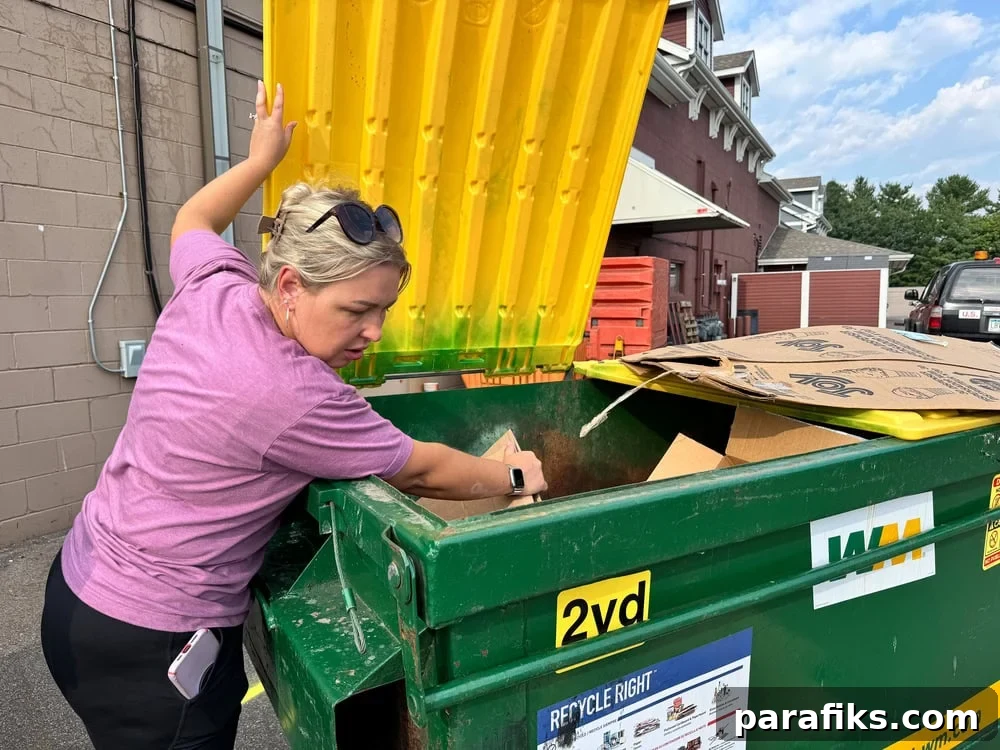
One of my guilty pleasures is watching the show Extreme Cheapskates. I realize much of the television dramatization is exaggerated—some scenes are likely staged—but I also believe there are people who take extreme frugality to unusual lengths to save money.
I’m not judging anyone who lives frugally; I know I do things others find odd too. A bit of self-deprecating humor keeps life interesting.
On a related note, sometimes extreme thrift crosses ethical lines. I discussed this in a previous post titled “Frugality And Ethics – Are You Being Cheap, Frugal, or Stealing?”
Related articles:
- 75+ Ways To Make Extra Money
- How To Live On One Income
- Ways To Make An Extra $1,000 A Month
- How To Save Money – My Best Money Saving Tips
- 12 Money Hacks That Will Help You Save More Money
Below are eight extreme cheapskate tactics shown on the program. If you’re curious about extreme cheapskate tips, here they are—some are shocking, some are ingenious, and some simply cross a line.
8 extreme cheapskate tips
1. Dumpster dive for free food.
Dumpster diving means searching through dumpsters at stores, restaurants, or residences to find discarded food and other items worth salvaging. Some individuals featured on the show prepared entire meals from retrieved food.
While dumpster diving can occasionally yield usable items, it’s not something I’d do personally. It carries health risks, potential legal issues, and is often staged for entertainment.
Related articles:
- 10 Best Things I Did To Build A $5 Million Dollar Blog
- 75+ Ways To Make Extra Money
- How To Live On One Income
- Ways To Make An Extra $1,000 A Month
2. Dig through trash cans to find free refill cups and bags.
One episode showed a person rummaging through a movie theater trash bin to retrieve a discarded cup and popcorn bag so they could claim free refills. Even though the items were reportedly cleaned first, this approach felt extreme.
My preference is simpler: skip concessions or bring your own non-perishable snack. Concession prices can be steep, but some lines aren’t worth crossing for a small saving.
3. Use jars or bottles instead of flushing the toilet frequently.
Some individuals try to conserve water by urinating into jars or bottles and avoiding frequent toilet flushes—one person reportedly flushed only once per week. This is not only unhygienic but can create unpleasant living conditions.
Water conservation is important, but there are healthier, more practical ways to reduce usage without compromising sanitation.
4. Take extra condiments from restaurants.
Some cheapskates collect ketchup, mustard, and sauce packets from restaurants to refill bottles at home. Others have gone further and gathered large quantities—behavior that can approach theft.
Picking up the occasional leftover sauce packet after a takeout meal is one thing, but systematically hoarding supplies is a step too far for many people.
5. Bring your own food to a restaurant to be cooked.
In one episode, a customer brought uncooked rice into a restaurant and asked staff to heat it. While this might save money, it’s socially awkward and often against restaurant policy.
I have seen similar behavior in real life; if you want greater control over food costs, consider preparing meals at home or choosing affordable eateries.
6. Eat leftovers from other customers’ plates.
Some cheapskates will ask to have the remaining food from a stranger’s plate, once that person leaves. This practice is unhygienic and distasteful to many.
If budget is a concern, eat before going out, split a dish with a companion, or order something small—there are cleaner, more respectful alternatives.
7. Eat roadkill.
Several people on the show took to collecting roadkill as a free source of meat. While using an animal that would otherwise go to waste can be practical in some situations, actively searching for dead animals and handling them can present health and legal risks.
One family demonstrated resourcefulness by using most parts of the animal, even making keepsakes. Still, this approach is far outside most people’s comfort zone.
8. Wear clothing from deceased people.
One woman admitted to reading obituaries to identify recently deceased individuals whose clothing she might claim, sometimes offering to clean a deceased person’s home in exchange. This behavior raises ethical concerns and makes most people uncomfortable.
How to become an extreme cheapskate — summary
The show illustrates many ways people stretch every dollar: reusing water, reducing laundry frequency, cutting entertainment expenses, and finding unconventional substitutes for basic household items. Some tactics are resourceful and harmless; others are risky, unethical, or unsanitary.
Before trying any extreme method, consider health, legality, and the impact on others. Practical, sustainable frugality—meal planning, reducing waste, shopping smart, and finding side income—can save substantial money without compromising safety or dignity.
Would you try any of the habits above? Why or why not? What’s the cheapest thing you regularly do?
If you’re new here, I focus on practical ways to earn and save money. Below are commonly recommended strategies many readers find helpful:
- Start a blog. Blogging can become a viable income source with consistent effort and useful content. I share monthly income reports and step-by-step guides for starting a blog and building an audience.
- Cut your TV bill. Consider cancelling cable or satellite and using a digital antenna for local channels or inexpensive streaming options to reduce recurring costs.
- Save money on food. Meal planning and affordable meal services can reduce grocery costs and the temptation to dine out. Simple, low-cost recipes and shopping lists help you prepare cheap, nutritious meals.
- Answer surveys. Participating in legitimate survey sites can provide small, regular supplemental income. Sign up for multiple reputable platforms to increase opportunities.
- Use reward sites for online searches. Some search and rewards platforms let you earn points redeemable for gift cards or cash. These tools can generate modest rewards with minimal effort.
- Try online rewards programs. Websites and apps that pay for short tasks—taking surveys, watching videos, or shopping through their portals—can provide small earnings that add up over time.