
Want to know which businesses truly run themselves?
Have you ever imagined owning a business that operates with minimal oversight? Whether you’re after extra income or a full-time replacement, the right business model can generate revenue without requiring you to be there every hour. These opportunities free up your time for family, travel, new projects, or simply more leisure.
Keep in mind none of these are entirely maintenance-free. Most require initial setup work, periodic oversight, or delegating tasks to employees or contractors. The goal is a business that requires occasional attention rather than constant involvement.
Businesses That Run Themselves
Here are some of the best business ideas that can operate with minimal day-to-day management.
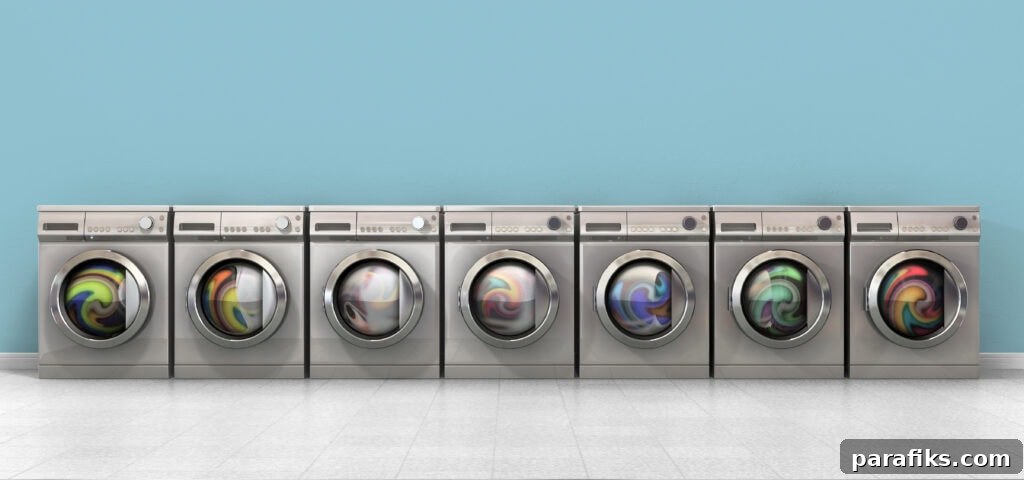
1. Self-service laundromat
Laundromats are a classic semi-passive business. With a well-chosen location and reliable machines, you can limit your involvement to routine checks, maintenance, and occasional cleaning or restocking. Many laundromats run with just one or two employees, and hiring a manager makes them even more hands-off.
These businesses benefit from steady demand—people will always need clean clothes—so they can be a consistent income source when set up and managed properly.
2. Sell printables
Digital products like printables are highly scalable and low-maintenance. Create a digital file once—planners, organizational checklists, gift tags, wall art, patterns, coloring pages, or stickers—and sell it repeatedly on platforms like Etsy. You only need a computer and an internet connection to get started.
Because the product is digital, there’s no shipping, and customer delivery is instant, making this an ideal small business that can largely run itself after the initial design and listing process.
3. Blogging
Blogging can evolve into a mostly self-running business, but it demands significant work upfront. Creating high-quality content and building an audience are intensive processes, especially at the start. With time and automation—outsourcing editing, SEO, and social media—you can reduce your weekly involvement substantially.
Once established, blog posts can earn income for years via advertising, affiliate marketing, and product sales. It’s a slower path, but it can create long-term, semi-passive revenue streams.
4. Affiliate marketing
Affiliate marketing lets you earn commissions by promoting other companies’ products. Place links in content or social posts, and earn when readers buy through them. It requires creating valuable content to drive traffic, but once that content ranks and converts, it can generate income with little ongoing effort.
This model pairs well with blogs, social channels, and email lists and can become a reliable passive income source over time.
5. Rental real estate
Owning rental properties—short-term listings on platforms like Airbnb or long-term leases—can produce steady income. Long-term rentals typically require less frequent turnover and less hands-on work, while short-term rentals may demand more frequent cleaning and guest coordination.
Hiring a property manager can turn rental real estate into a hands-off investment, as they handle tenant relations, maintenance, and day-to-day operations.
6. Online courses
Create an online course once and sell it repeatedly on platforms like Teachable or similar. The main effort is production—recording lessons, creating materials, and structuring the course. After launch, maintenance involves occasional updates and student support, which can be outsourced or limited with evergreen content.
Courses are ideal for packaging expertise into a product that earns continuously after the initial work is done.

7. Storage facility
Self-storage facilities are in high demand and often require minimal onsite staffing. Customers pay monthly for units or outdoor spaces to store belongings, RVs, or vehicles. Automated access, online payments, and a small maintenance team keep operations smooth, making this a strong, low-maintenance real estate business.
Alternatively, renting spare space through peer-to-peer storage services lets you monetize unused areas with minimal effort.
8. Stock photography
Sell photos through stock agencies like Shutterstock or Adobe Stock. Once uploaded, images can be licensed repeatedly, producing passive royalties. Building a large, high-quality portfolio increases earning potential and lets you profit from work already completed.
9. Car washes
Automatic and self-serve car washes require minimal staff. After installation, most maintenance is periodic: equipment checks, cleaning, and restocking supplies. A well-placed facility can deliver steady, low-effort revenue.
10. Write ebooks
Self-publish an ebook and sell it on marketplaces or your site. Writing the book is the primary investment of time; afterwards, it can generate ongoing sales with occasional promotion. Ebooks are a classic passive product that scales without inventory.
11. Dropshipping
Dropshipping allows you to sell goods without inventory: a supplier ships orders directly to customers. Low startup costs and the ability to operate from anywhere make this model attractive. Success depends on finding reliable suppliers and profitable products, plus effective marketing.
12. Membership website
Membership sites deliver recurring revenue by offering exclusive content, tools, or communities for a subscription fee. With strong content, automation, and community management systems, membership businesses can scale without continuously increasing workload.
13. ATM business
ATMs generate income from transaction fees. Once installed and connected to a network, they require periodic cash replenishment and maintenance. Good locations (convenience stores, malls, event venues) and reliable servicing make this a low-touch business option.
14. Parking lots
Parking facilities in high-demand areas can produce steady fees with minimal daily oversight. Automated pay stations, app-based payments, and occasional maintenance keep operations simple and scalable.

15. App development
Develop an app that meets a specific need—utility apps, niche tools, or games can all monetize through purchases, subscriptions, or ads. After initial development and periodic updates, apps can provide ongoing revenue with limited daily involvement.
16. Billboards
Owned billboard space produces rental income from advertisers and requires only occasional maintenance. Regulations vary by location, so check local rules before investing. Digital billboards demand more upkeep but can host multiple advertisers and boost revenue.
17. Sell on Amazon
Fulfillment by Amazon (FBA) stores your inventory in Amazon warehouses and handles shipping, returns, and customer service. While product selection and sourcing require effort, FBA reduces daily logistics and can make ecommerce more hands-off.
18. Vending machine business
Vending machines need occasional restocking and maintenance, but otherwise function autonomously. With strategic placement in busy locations, vending operations can provide steady returns for relatively low ongoing effort and a modest startup investment.
Frequently Asked Questions
Here are answers to common questions for anyone considering a self-running business.
How can I start a business that doesn’t need me all the time?
Choose models that support automation or outsourcing: digital products, dropshipping, membership sites, rental properties, or equipment-based businesses like vending machines. Automate payments, customer communications, and scheduling where possible, and hire managers or contractors for daily tasks.
Which businesses make money while the owner sleeps?
Examples include rental real estate, blogging with affiliate income, stock photography, online courses, apps, vending machines, and ATMs—systems that process transactions or collect recurring payments automatically.
How do you create a self-running business?
Start with a scalable product or service, automate processes (payments, delivery, marketing), and outsource routine tasks. Focus on setup and systems so the business can operate with minimal direct involvement.
What’s the easiest business to start and run?
Low-barrier options include selling digital products (printables, ebooks), dropshipping, vending machines, and simple service-based models that can be automated or delegated.
How do you find a self-running business for sale?
Look on business-for-sale marketplaces or consult business brokers. Always perform due diligence—review financials, verify revenue sources, inspect operations, and confirm any legal or zoning requirements before buying.
Businesses That Run Themselves – Summary
Many businesses can be structured to run with minimal daily oversight. Online ventures—blogs, affiliate marketing, digital products, and courses—can be automated and scaled, while offline models—laundromats, storage facilities, vending, and parking—can be managed with few staff and occasional maintenance.
Success usually requires an upfront investment of time or capital and careful systems for automation and delegation. When set up well, these business models free you to focus on new projects, personal goals, or simply more free time.
Which self-running business appeals most to you?
Recommended reading:
- 21 Ways To Get Paid To Do Nothing
- 31 Best Stay At Home Jobs
- 30+ Small Business Ideas
- 40 Best Jobs Where You Work Alone
- 16 Best Passive Income Apps
- Low Maintenance Businesses to Start Today
- How To Make $30,000 a Month