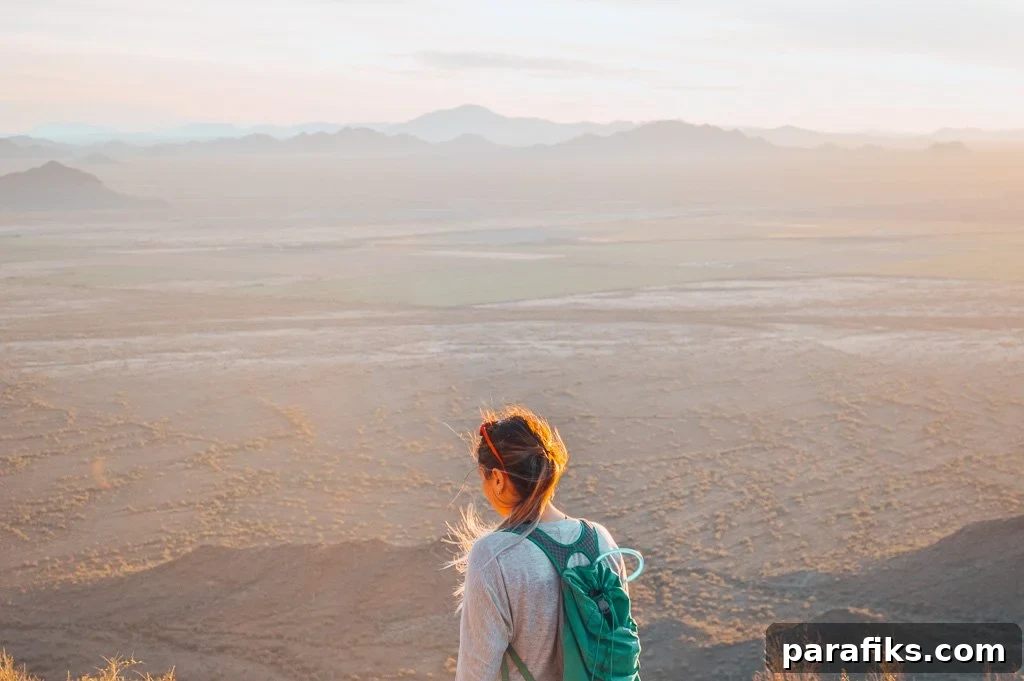
If you’ve ever wondered what the nomadic lifestyle is really like, I’ve been traveling full-time for more than five years and I’m always happy to share my experiences.
Our journey began in 2013 when my husband and I left our day jobs to become location independent. We started traveling more and spending more time outdoors doing the things we love. In 2015 we made the leap to full-time travel: we sold our house in Missouri, moved to Colorado, rented briefly, then bought an RV and committed to life on the road.
Traveling was something I loved as a child, but I never imagined I would adopt a fully nomadic lifestyle. It felt both exciting and scary at first, and I’m so glad we gave it a chance—this life has changed me for the better.
Over the years we’ve discovered countless advantages to living nomadically: I’ve learned new skills, met kind and fascinating people, visited countless beautiful places, and grown in ways I didn’t expect.
Of course, a nomadic life isn’t right for everyone. It can be difficult and, for some, lonely. After a few years on the road I began to understand why many travelers eventually shift to a different lifestyle. Some people prefer short-term travel, others want a permanent home base, and many aren’t interested in full-time travel at all. It all depends on what you want from life.
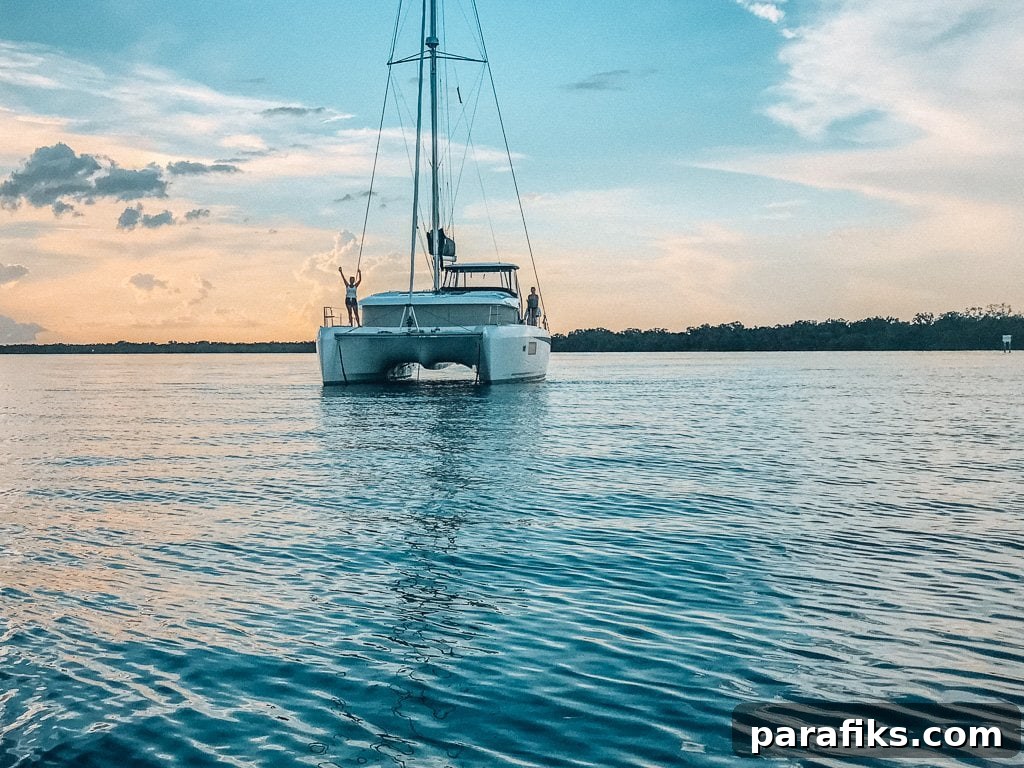
We’ve experimented with different setups over the years—living in a full-size RV, a camper van, and even a sailboat. Each mode of travel taught me new lessons, both positive and challenging. I used to tell myself I could never live in a house again; over time my perspective shifted. Experiences change you, and the years of full-time travel have shaped who I am today.
Here’s what I’ve learned from living a nomadic lifestyle.
1. You’ll discover places you would never have known about otherwise
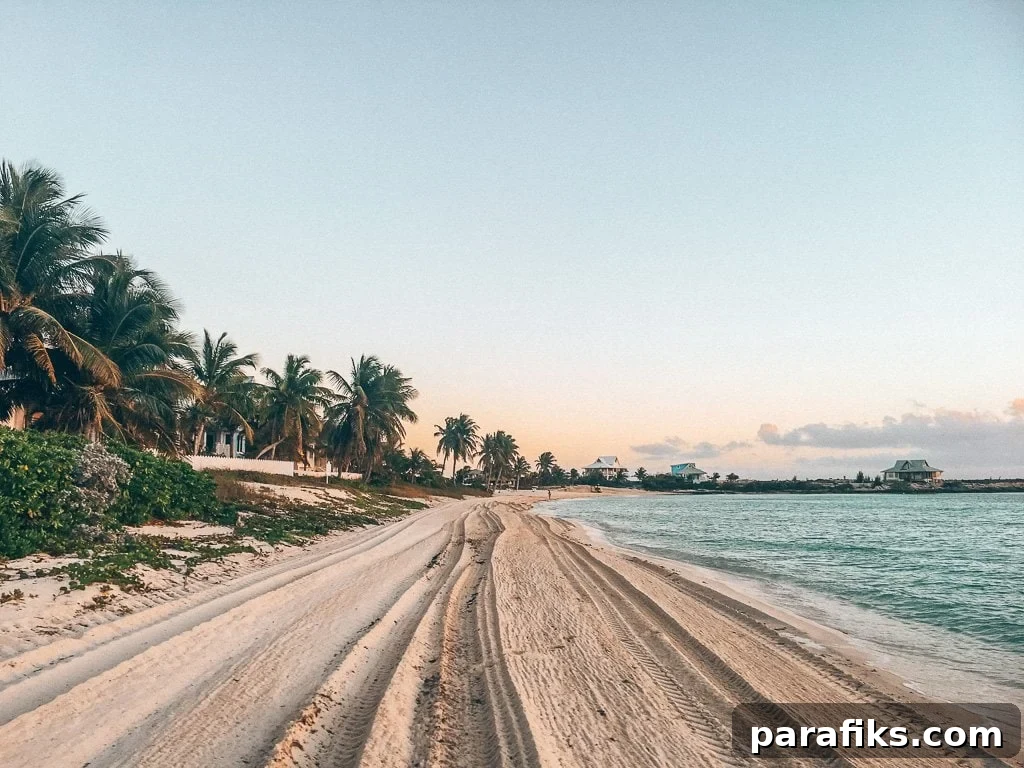
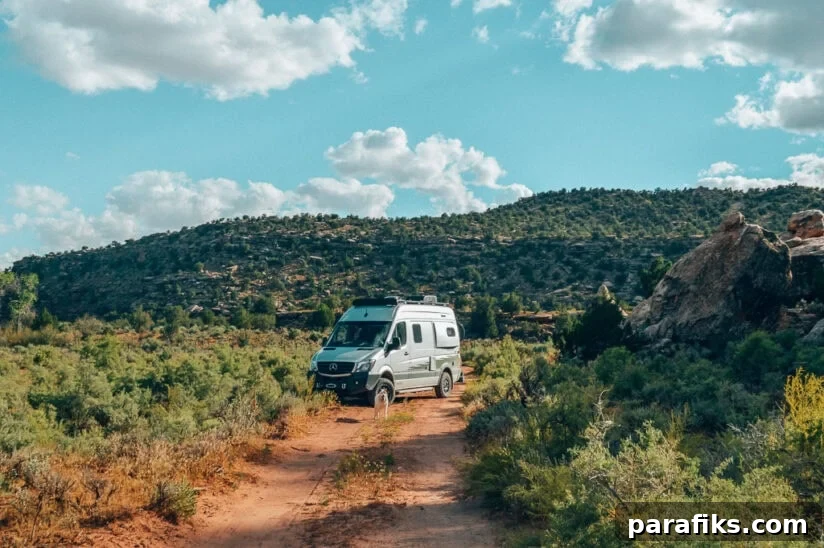
This advantage stands out as my favorite. One of the joys of long-term travel is stumbling upon unexpected gems—small towns, scenic spots, and hidden trails that aren’t on most tourist maps. When you travel by RV or boat and have the freedom to linger, you can follow curiosity and stay as long as you like to explore.
2. You will meet wonderful people
Traveling exposes you to strangers who quickly become friends. We’ve been invited into people’s homes, shared meals with new acquaintances, enjoyed impromptu boat rides, and explored with people we’d met only hours earlier. The kindness and generosity we’ve experienced remain some of the most rewarding parts of this lifestyle.
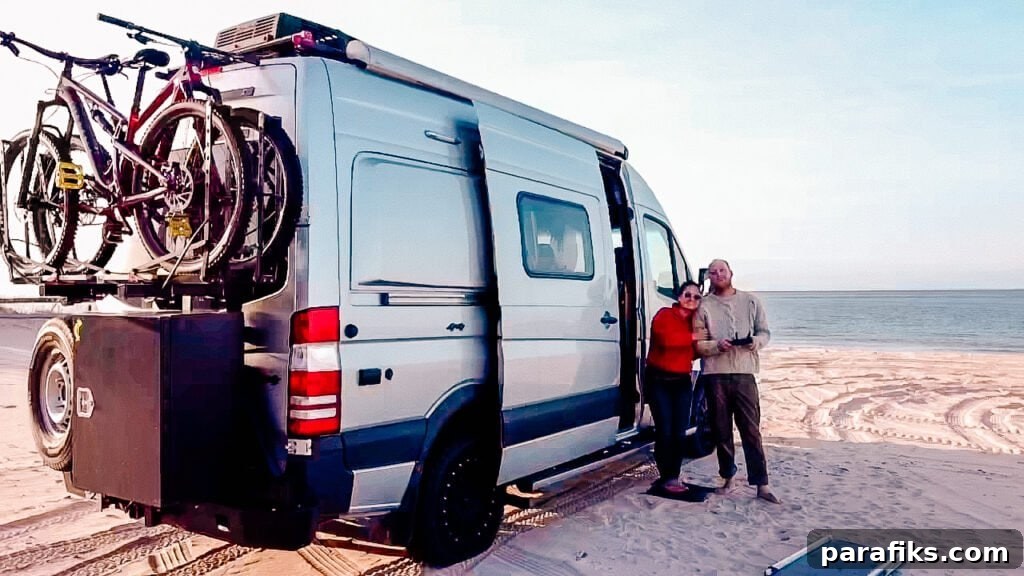
3. You can work while traveling full-time
There are many ways to earn a living on the road. Some people assume full-time travel is unaffordable, but with remote work options, seasonal jobs, campground hosting, and other opportunities, it’s often feasible. Most people we meet on the road continue to work; truly retired full-timers are relatively rare. Finding a sustainable income model—whether online freelancing, running a business, or local short-term jobs—makes this lifestyle possible.
4. Don’t set plans in stone
Long-term travel teaches flexibility. The future can change rapidly—weather, health, or global events can alter plans overnight. Early on, we thought we’d be in the same rig for a decade. That proved naïve. Planning far ahead often feels unrealistic; being open to change keeps travel enjoyable rather than stressful.
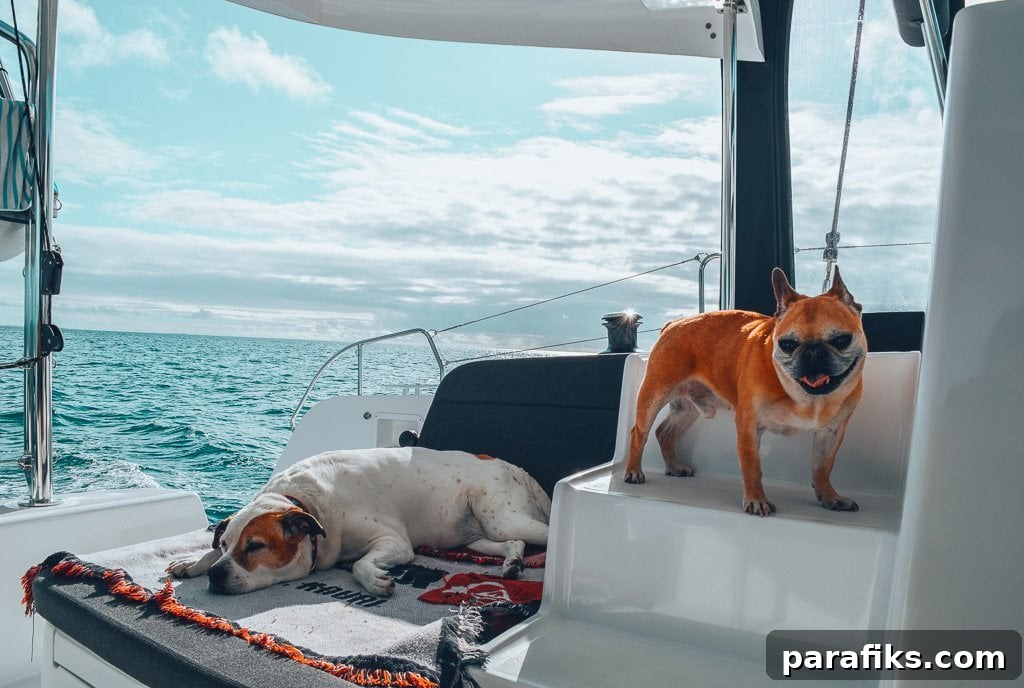
5. Traveling with pets is absolutely doable
Bringing pets adds logistics, but it’s worth the effort. We traveled full-time with two dogs for years. Larger animals require more planning, especially for border crossings and long passages, but many pet owners successfully take their companions along. The extra work is manageable and rewarding.
6. Something will always need fixing
Whether you live in a boat, RV, or van, maintenance is constant. Mobile homes face wear from travel, exposure, and mechanical stress. A broken part can affect safety, comfort, and plans—sometimes leaving you without shelter while repairs are underway. Boats can be particularly demanding, since you can’t simply pull over to fix problems. Expect ongoing maintenance and occasional major repairs; proactive care and a maintenance fund help.
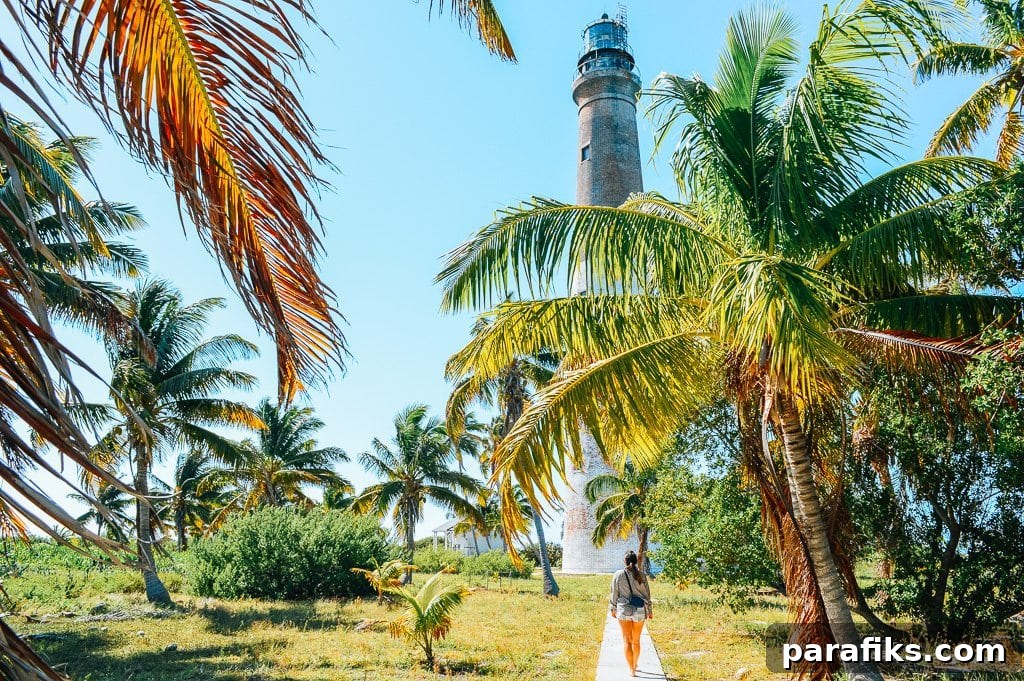
7. There are solutions for common challenges
People often cite three barriers to nomadic life: unreliable internet, mail management, and laundry. All three have reliable solutions.
- Internet: We’ve used multiple providers—AT&T, Verizon, Google Fi and local options such as MyIslandWifi depending on location and duration.
- Mail: Mail forwarding services consolidate and ship mail wherever you are, so you can receive important documents and packages on the road.
- Laundry: Laundromats are widely available, and many RVs and boats can accommodate compact washer/dryer combos or portable solutions.
Most travel problems have been solved by others—do a little research and you’ll likely find a practical approach.
8. Living space feels larger than you expect
People worry about living in close quarters, but we’ve rarely found the space cramped. Being outdoors expands your living area: hiking, biking, and exploring become part of daily life, so the usable space goes far beyond the interior of the vehicle or boat.
9. You learn you need far less than you thought
Downsizing is liberating. When we sold our house and transitioned to RV life, we donated and discarded many possessions. At first it was difficult, but it became easier and ultimately freeing. With fewer belongings we became more intentional about purchases, reduced waste, and saved money. Material things don’t equate to happiness—travel has shown me that abundance can mean experiences, not stuff.
10. Decision fatigue is real
Full-time travel requires constant decision-making: where to go next, how to route your trip, where to park, logistics with pets, food and fuel planning, checking in and out of countries, and weather-driven changes. That mental load accumulates. Planning and preparing contingency options help reduce stress, but be aware that decision fatigue is part of this lifestyle.
Why a nomadic life can be difficult
Living full-time on a sailboat is often described as “90% normal life and 10% sheer terror,” and that rings true. You’ll experience intense highs and challenging lows. The lifestyle can be liberating and deeply rewarding, yet also demanding—full of logistics, maintenance, and uncertainty. I try to focus on the many good parts to balance the hard moments.
I love being a digital nomad
Working from anywhere is one of the biggest gifts of this lifestyle. Having a business that travels with me compensates for much of the uncertainty. While it’s not always easy to separate work from life, the freedom to run my work from an RV, a boat, a national park, or a café is incredibly motivating. Travel has refreshed and improved my approach to work—far from the stagnation of my previous environment.
How to make a nomadic lifestyle work for you
If you want to travel full-time, it’s achievable with planning and creativity. Common steps include:
- Determine how much money you need to sustain your chosen lifestyle.
- Build savings and prioritize putting money aside before spending.
- Pay down or eliminate debt.
- Create a vision of the life you want to live.
- Decide how you’ll earn money on the road—remote work, seasonal jobs, campground hosting, or local work in places you visit.
- Consider selling your car or other assets you no longer need.
- Decide what to do with your home—sell, rent, or keep as a base.
There are many resources and personal examples to learn from, and every traveler’s path looks different.
What I love most about the nomadic lifestyle
Almost every day I’m grateful for the life I get to live. On the water, I love sailing, encountering marine life, and the self-sufficiency that comes with solar panels, watermakers, and sails. On the road, I love parking beside spectacular trails, beaches, deserts, and mountains—being able to hike and bike the world’s best routes. Even if I someday have a home base, I plan to continue long-term travel and exploration.
Are you interested in living the nomadic lifestyle? Why or why not?