Money stress affects many people.
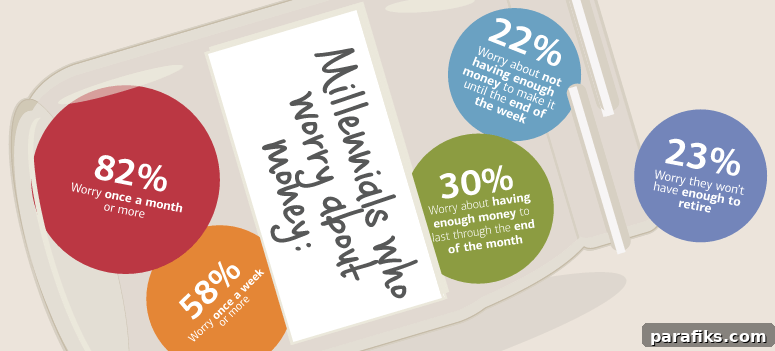
According to a Better Money Habits Millennial Report, 41% of millennials are chronically stressed about money. Of those surveyed, 65% say financial stress affects their overall well-being, 49% say it harms relationships, 42% report impacts on physical health, and 22% say money worries interfere with their work.
That is a significant amount of stress.
Money-related worry doesn’t only affect young people; it spans all ages. And it’s not limited to lower-income households. Even individuals with a net worth of $1,000,000 or more report significant financial stress, fearing sudden losses or unexpected downturns.
Money stress can lead to serious consequences such as:
- Loss of sleep;
- Nausea or other physical symptoms;
- High blood pressure;
- Negative effects on your career;
- Strained family relationships;
- Increased feelings of anger or sadness.
Although money stress is common and can feel overwhelming, there are steps you can take to regain control. The following practical strategies can help you reduce financial anxiety and improve your overall quality of life.
Identify the root cause of your money stress.
First, determine what specifically is causing your anxiety. Are you carrying debt, living paycheck to paycheck, spending more than you earn, or lacking a clear financial plan? You cannot fix what you haven’t identified.
Once you understand the source of your stress, create a realistic action plan. Typical actions include increasing income, paying down debt, building an emergency fund, adjusting spending habits, or improving financial literacy so you can make better decisions.
- Explore ways to increase income through side jobs or freelance work;
- Create a debt repayment plan (e.g., snowball or avalanche methods);
- Set short-term and long-term savings goals and automate contributions;
- Track spending to find areas to cut back and free up cash.
Talk about money with your loved ones.
Money worries can feel isolating, but open communication with a partner or family can be a powerful relief. Discuss your financial situation together so you can share responsibility, set mutual goals, and avoid surprises.
Consider scheduling regular money conversations—weekly, monthly, or whatever cadence suits you—to review budgets, track progress, and adjust plans as needed. Teamwork reduces stress and helps both partners feel informed and aligned.
Recognize that more money won’t automatically make you happier.
Research suggests there is a threshold at which additional income produces diminishing returns in everyday happiness. While increased earnings can solve concrete problems and provide security, they are not a guaranteed route to lasting happiness if spending habits and financial management don’t change.
Rather than relying solely on earning more, work on building healthy financial habits: budgeting, saving, and prioritizing what truly matters to you.
Understand that money and possessions don’t define you.
Self-worth is not determined by income or possessions. Chasing status or trying to “keep up with the Joneses” often leads to overspending, chronic comparison, and mounting debt. This cycle can leave you with little saved for emergencies or retirement and damage your well-being.
A healthier approach is to define success on your terms, focus on needs and meaningful priorities, and avoid buying things to fill emotional gaps.
- Limit comparisons to others and set personal financial goals;
- Build an emergency fund to reduce anxiety about unexpected expenses;
- Prioritize long-term security — retirement savings, insurance, and an emergency cushion.
Allow yourself to enjoy life.
Even when money is tight, it’s important to have fun. Enjoyable experiences improve mood, support mental and physical health, and help you recharge. Frugality doesn’t mean eliminating pleasure—look for low-cost or free ways to enjoy life that align with your budget.
Plan small, affordable treats or activities that bring joy without jeopardizing financial progress. This balance helps sustain motivation and reduces feelings of deprivation.
Stop dwelling on past mistakes.
Regret over past spending choices is common, but obsessing about mistakes wastes energy and worsens stress. Instead, treat past errors as learning opportunities that inform better decisions going forward.
Use hindsight constructively: identify what went wrong, plan how to avoid similar pitfalls, and then move on. This positive shift in focus will help you make progress and feel more empowered.
Cultivate a positive mindset.
Maintaining a hopeful, solution-focused attitude can make it easier to persist through setbacks and pursue constructive changes. Negativity tends to paralyze action, while a positive outlook encourages problem-solving and steady improvement.
Simple practices—like celebrating small wins, setting manageable goals, and reminding yourself of progress—can boost resilience and reduce the emotional burden of financial stress.
Does money stress affect you?