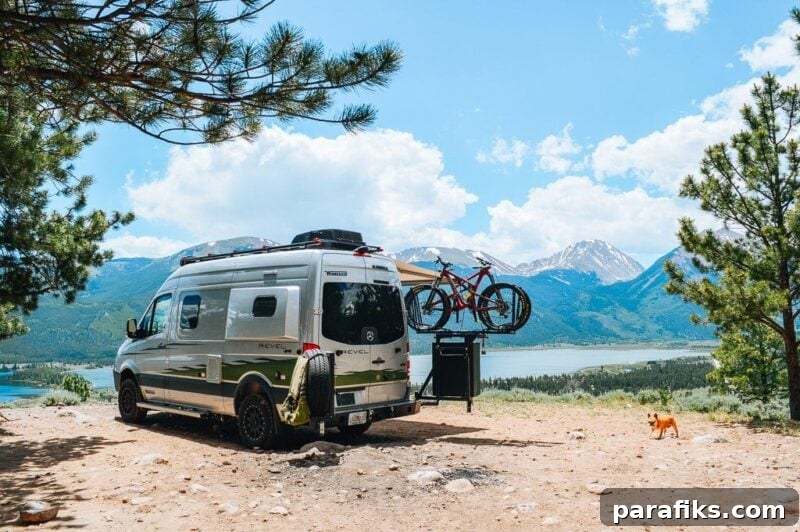
Want to learn how to rent an RV? Below I explain the best ways to rent an RV, whether renting is cheaper than a hotel, what to know before you rent, and helpful tips so your trip goes smoothly.
I no longer live full-time in an RV—I now live and travel by sailboat—but I lived in an RV for several years and still own one. When we’re not on the boat we live full-time in our van. RV travel is a passion of mine and will always be part of how I explore.
What I love about RVing is having your home with you while visiting beautiful places: park near hiking trails, mountains, beaches, and more. When we sold our house to live on the road, people thought we were crazy. We sold much of our stuff and drove across the country, and it turned out to be an amazing decision.
RVing has grown in popularity for good reasons. Renting an RV can be a great option whether you want to test RV life, enjoy outdoor adventures, or travel with friends and family.
People rent RVs for many reasons, including:
- To connect with the outdoors and visit national parks, trails, beaches, and scenic areas.
- To test RV living before making a purchase.
- To travel together as a group with shared space and conveniences.
Because RV travel is so popular, I often get questions about how to rent an RV. Below are the most common questions and practical answers.
If you’re ready to browse rental options, many owners list their vehicles on peer-to-peer platforms where you can search by location, RV type, amenities, price, and more.
Related resources:
- Common RV Questions
- Becoming an RV Family — traveling full-time with kids and pets
- 11 Reasons to Choose RV Life
How to rent an RV
What is the best way to rent an RV? How do I find RVs for rent near me?
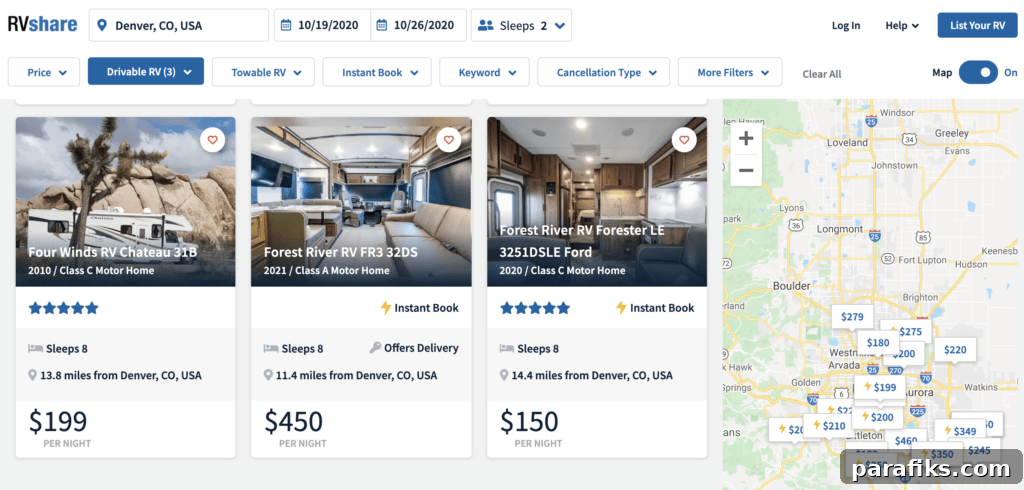
There are several ways to rent an RV. You can rent from established rental companies or from private owners. Peer-to-peer rental platforms give you a wide variety of choices: different sizes, layouts, and price points. Search by location and filter by amenities such as pet policies, bathroom type, kitchen features, and nightly rates.
Renting from an owner typically works like this:
- Search the rental platform for the type of RV you want and the dates you need.
- Contact the owner through the platform to arrange pickup and ask any questions.
- At pickup you’ll receive a quick walkthrough and demonstration of the RV’s systems.
- At the end of the trip, dump tanks, refuel, and return the RV as agreed.
How much does it cost to rent an RV for 1 week? Long term?
Rental prices vary widely. Nightly rates can start around $50 for small popup trailers and run to several hundred dollars per night for luxury motorhomes. Weekly and long-term discounts are common, and long-term rentals may offer lower daily rates.
Beyond the rental fee, budget for:
- Mileage charges (many rentals include a daily mileage allowance and charge for excess miles)
- Fuel (gas, diesel, and any required additives)
- Campground or RV park fees
- Food and entertainment
- Internet or mobile data costs
- Miscellaneous supplies and campground fees
If you plan to rent for an extended period, compare rates between vehicle types and look for unlimited-mile options if you’ll be covering a lot of ground.
Is renting an RV cheaper than a hotel?
It depends. Low-cost RV options paired with free or inexpensive campsites can be cheaper than hotels, while luxury motorhomes can cost more than a flight and hotel combined. RV travel often reduces food expenses since you have a kitchen, and it lets you stay close to outdoor activities, which can lower entertainment costs. Ultimately, RVing and hotels offer different experiences—choose based on your priorities and budget.
What are one-way RV rentals?
One-way rentals involve picking up the RV in one location and dropping it off in another. They often cost more because of the logistics involved. An alternative is an RV relocation rental, where you transport the vehicle for the owner or company and may receive a reduced rate or travel stipend.
What kind of RVs can you rent?
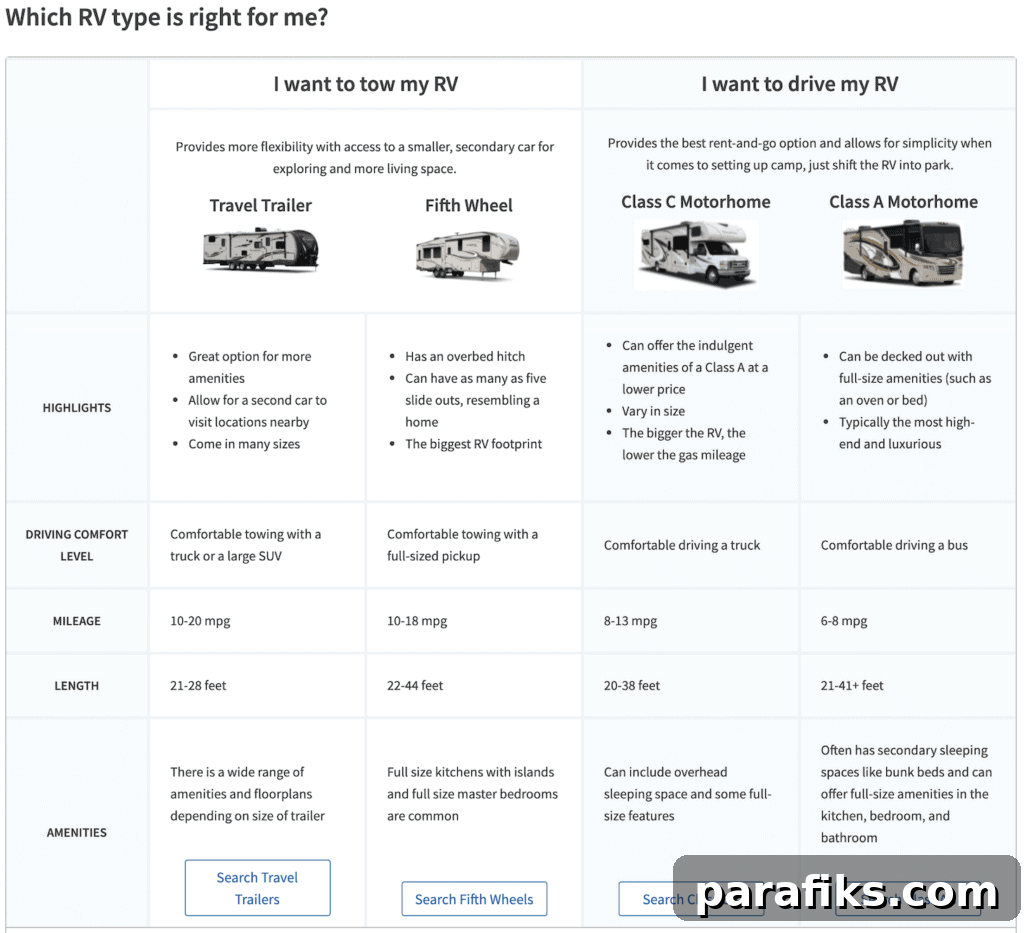
Common rental types include:
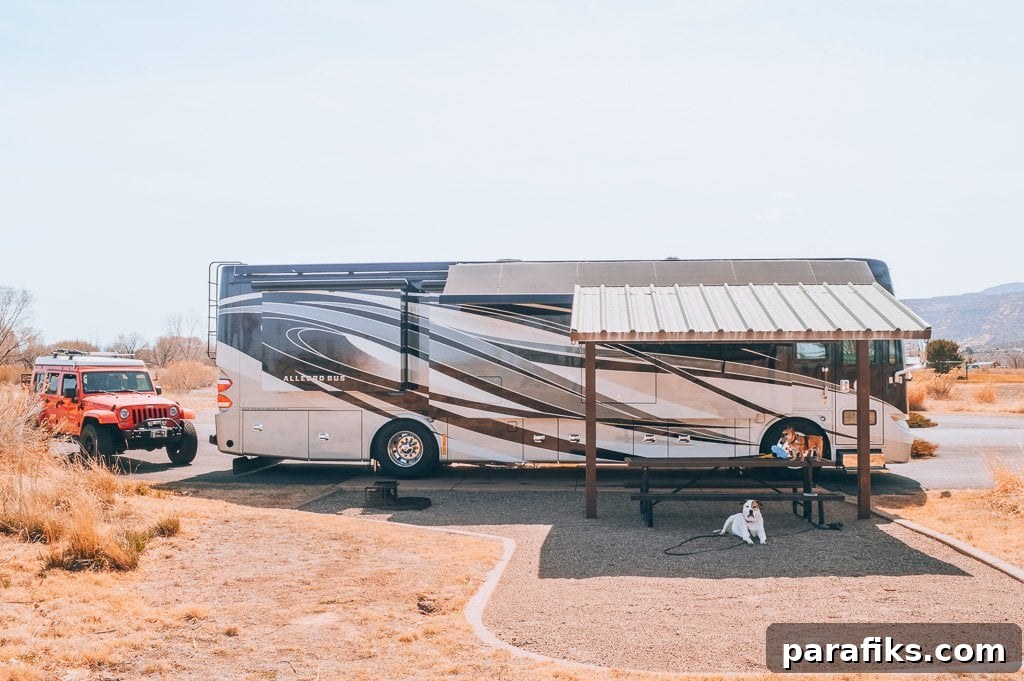
- Class A motorhomes (largest, most luxurious)
- Class C motorhomes (mid-size, driver’s cab overhang)
- Class B camper vans (compact and easy to drive)
- Travel trailers and fifth wheels (towable)
- Toy haulers (with garage space for bikes or ATVs)
- Pop-up trailers and truck campers (more budget-friendly)
Choose a type based on how many people you have, desired amenities, towing requirements, and driving comfort. Watch walkthrough videos and review photos to get a feel for interior space and layout.
Can you just park anywhere you want?
No—parking rules vary. Some cities restrict RV parking on public streets, and space, height, and clearance issues can limit options. Plan ahead: use satellite and street views to check driveways, confirm campground availability, and research local regulations. Common places to stay include driveways (with owner permission), free public land, state and national parks, private RV parks, and RV resorts.
How do you connect to the internet?
Campground Wi-Fi is often unreliable. If you need consistent internet—especially for work—bring your own mobile hotspot or dedicated mobile router. Options include carrier hotspots, MiFi devices, and phone tethering. Check mobile coverage maps to choose the best carrier for your route.
How do you use the bathroom in an RV?
Most RVs include a toilet, sink, and shower. Bathroom size and quality vary, so check photos and the listing description. Carry appropriate toiletries, waste treatment chemicals, and follow the owner’s guidelines for use and disposal.
How much does it cost to dump RV tanks?
Dumping black and gray tanks can cost anywhere from free at an RV park to about $5–$25 at paid dump stations. Frequency depends on tank capacity and use; some travelers need to dump every few days while others can go longer. Many rest areas, visitor centers, and RV parks offer free or low-cost dump options.
Is it worth it to rent an RV?
If you enjoy outdoor access, flexible travel, and having your own kitchen and sleeping space, renting an RV can be a rewarding experience. It’s especially worthwhile for nature-focused trips, road trips with family or friends, and trying RV life before buying.
What is the cheapest way to rent an RV for a month?
To save on a month-long rental, choose a smaller or towable RV, negotiate a mileage policy, and consider staying near home to reduce fuel costs. Travel trailers and pop-up campers are usually the most affordable long-term options; large Class A motorhomes tend to be the most expensive.
Is renting an RV cheaper than flying?
Not always. A luxury RV can cost more than airfare plus lodging once you factor in rental, camp fees, fuel, and other expenses. On the other hand, RVing can let you access remote destinations and reduce food and activity costs. Compare total trip expenses and your preferences before deciding.
Can you rent an RV one way?
Yes—many companies and platforms offer one-way rentals, though they usually cost more. Contact the owner or rental company to confirm availability and fees for one-way trips.
Can you rent an RV with unlimited miles?
Some owners and rental companies offer unlimited miles or high-mileage packages. If you plan to drive extensively, look specifically for rentals that include unlimited miles to avoid per-mile charges.
Can you rent an RV with a regular license?
Most rentals allow drivers with a standard driver’s license. Some companies require drivers to be at least 21 or 25 years old, and additional fees or insurance conditions may apply for younger renters. Check the rental agreement ahead of time.
Questions to ask about the RV rental
Before booking, ask the owner or company important questions so your expectations are clear:
- Are pets allowed?
- Is there air conditioning and heating?
- Is roadside assistance included?
- How much storage space is available?
- Does the RV have a tow hitch if I need to tow a car?
- What is the included mileage allowance and excess mileage fee?
- What is the cancellation policy?
- How does insurance and liability coverage work?
- What fuel efficiency can I expect and how far will a tank go?
- Are linens, dishes, and cooking utensils provided?
- Are there any special electrical hookup or power requirements?
What do I need to know before renting an RV?
Here are practical tips to help your first RV rental go smoothly:
- Avoid long driving days. Drive fewer miles and enjoy the destinations you reach.
- Know the RV’s height and width to avoid low bridges and tight clearances.
- Arrive at campsites during daylight so you have time to set up safely.
- Smaller Class B and Class C vehicles are easier to drive for beginners.
- Use a departure checklist (stow awning, retract jacks, secure loose items) to avoid costly mistakes.
Should I rent out my RV?
If you own an RV and it sits unused, renting it out can generate extra income. Peer-to-peer rental platforms handle bookings and payments and can make listing straightforward. Many owners earn substantial supplemental income, but be sure to understand insurance, maintenance, and hosting responsibilities before listing.
Final thoughts on how to rent an RV
Traveling and living in an RV opened up incredible experiences for me. If you want a flexible way to explore national parks, trails, and scenic regions, renting an RV is a great option. Choose the right vehicle for your needs, plan your route and campsites, confirm logistics like mileage and insurance, and be flexible and prepared for a memorable trip.
When you’re ready to rent, search rental platforms and compare vehicle types, rates, and reviews. With some planning and the right questions asked, an RV rental can be an affordable and rewarding way to travel.
Are you interested in renting an RV? Have you stayed in one before?