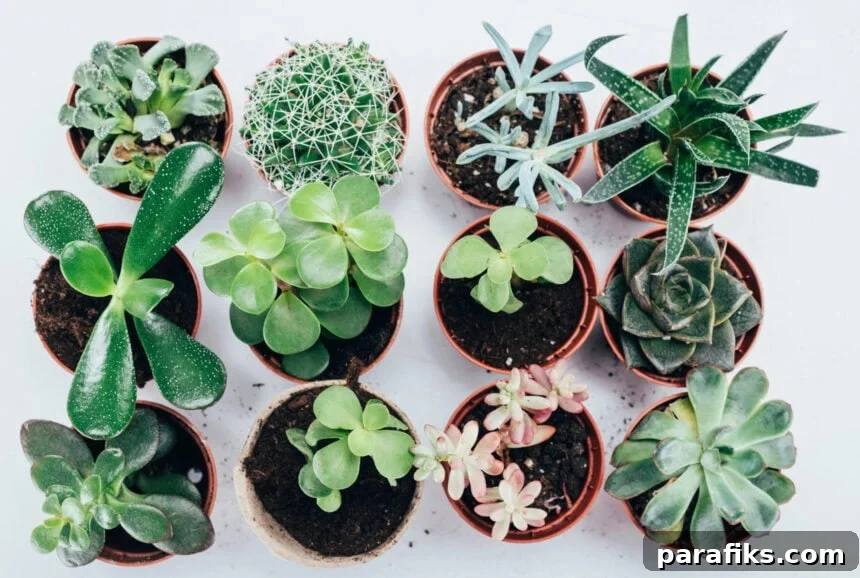
Want to know where to sell plants to make money?
If you love plants, selling houseplants can be a rewarding way to earn extra income. Houseplants are an affordable way to brighten a home or office, and demand continues to grow among people who want more greenery indoors. I personally have over 200 houseplants and have bought and sold plants through many different channels, so here’s a practical guide to the best places to sell houseplants and how to do it well.
Where To Sell Houseplants
Below are the most effective platforms and venues for selling houseplants, with tips to maximize success.
1. Etsy
Etsy is a popular marketplace for selling both common and rare houseplants, as well as seeds and plant accessories. Listings can range from budget items to high-value specimens. To succeed on Etsy, include high-quality photos, clear descriptions, care instructions, and any propagation or size details buyers will want.
Be aware of USDA and agricultural regulations that may restrict shipping certain plants across state or national borders. Pack live plants carefully to protect them from transit damage and weather. Sellers who stand out often specialize in rare varieties, attractive planters, or eco-friendly packaging.
2. Facebook
Facebook Marketplace and local plant groups are excellent for selling plants, especially if you prefer local pickup and want to avoid shipping complications. Use multiple, well-lit photos from different angles and include measurements so buyers can gauge size accurately. Marketplace also allows shipping on eligible listings, expanding your reach.
3. Amazon
You can sell plants on Amazon, which offers a huge audience but also strong competition. You’ll need a Seller Account and must confirm that the plants you sell aren’t restricted under agricultural laws. Secure packaging is essential for live plants. Many sellers find Amazon more competitive and less specialized for houseplants than other platforms, but it remains a viable option.
4. Ship My Plants
Ship My Plants is a service that simplifies shipping live plants by providing plant-specific boxes, packaging materials, tracking, and optional insurance. Because they focus on plant shipments, the process tends to be smoother for both sellers and buyers. Fees vary by size, weight, distance, and optional packaging or insurance.
5. Plantly
Plantly is a marketplace designed for plant sales and shipping. They offer eco-friendly packaging tailored to protect plants in transit, along with tracking and insurance options. Plantly charges fees based on package size and destination, but competitive rates and plant-focused logistics can make it worthwhile.
6. eBay
eBay’s global audience makes it a good place to sell rare or unique plants that aren’t available locally. You can use fixed-price or auction-style listings, but keep in mind eBay fees—often around 10–12%—and the need to research comparable listings to price competitively. Stand out with excellent photos and accurate descriptions.
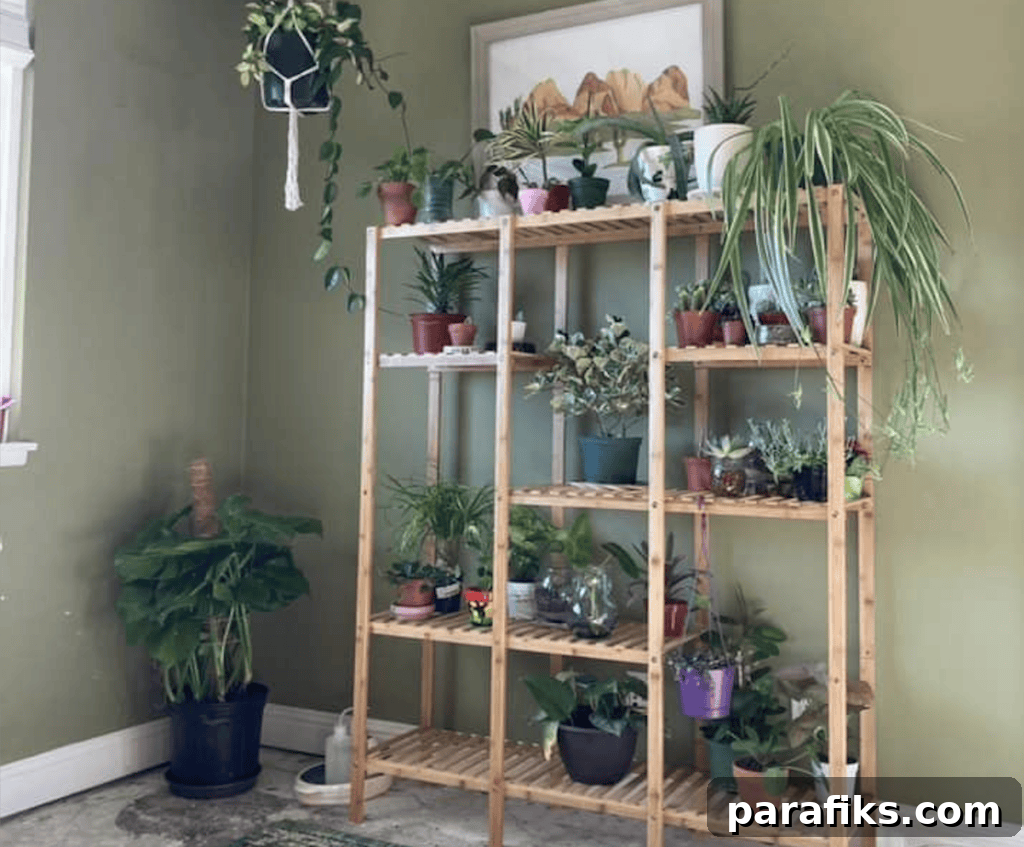
7. Farmers markets
Farmers markets are a low-overhead way to reach local buyers who appreciate living goods. Costs typically include a booth fee, a tent or canopy, tables, and display materials. Markets attract people interested in gardening and natural living, so a well-presented stall with labeled plants and care instructions can perform very well. Differentiate with attractive displays, plant education, or unique varieties.
8. Plant swaps
Plant swaps are community events where enthusiasts trade or give away cuttings and plants. Some swaps allow sales, but rules vary, so verify before you attend. Swaps are a great way to network, build reputation, and find buyers or collaborators without significant costs.
9. Your own website
Running your own website gives you complete control over branding, pricing, and customer experience. It requires more work—website setup, marketing, SEO, and order fulfillment—but it’s a good long-term approach if you plan to scale. Offer helpful content, care guides, and detailed listings to build trust and attract organic traffic.
10. Local plant shops
Consigning through local plant shops or participating in in-store events can introduce your plants to a ready audience. Independent shops may be interested in unique or hard-to-find varieties. Expect to share a portion of sales for the convenience and exposure the shop provides, and maintain a positive relationship by supporting the store’s policies and events.
Frequently Asked Questions
Answers to common questions about selling houseplants.
Is it profitable to sell plants?
Yes—selling houseplants can be profitable if you focus on in-demand varieties, maintain healthy stock, and market effectively. Rare or mature specimens generally command higher prices. Propagation allows you to expand inventory with minimal cost, but building a profitable operation takes time and patience.
Is it legal to sell plants from home?
Often it is legal, but local regulations vary. Check zoning laws, permits, sales tax requirements, and any nursery or agricultural licensing that may apply in your area. Selling occasionally through local platforms may have different rules than operating a full-time business.
Do I need a business license to sell plants?
Requirements depend on location, sales volume, and business structure. Casual, infrequent sales may not require a license, but regular sales or substantial revenue often trigger licensing and tax obligations. Online sellers may need to register a business or obtain a nursery license depending on local laws.
What is the most profitable plant to sell?
Profitability shifts with trends and availability. Plants once commanding high prices—like certain philodendrons or variegated monsteras—can drop in value once mass-retailers begin stocking them. Rare begonias, specialty philodendrons, and mature variegated plants often yield better returns, especially when they are healthy and well-rooted.
What is the best place to sell plants online?
Choose the platform that matches your goals: Etsy and Plantly are strong for rare or specialty plants and plant-related products; Facebook Marketplace and local groups are ideal for local pickup; Ship My Plants and specialized services simplify shipping logistics. Consider fees, audience, and shipping complexity when deciding.
Do nurseries buy plants?
Some nurseries purchase unique or high-demand plants from individuals, but many propagate common varieties themselves. Nurseries are more likely to buy rare or unusual plants that they don’t already stock.
What kind of plants can you sell?
Almost any plant type can be sold: houseplants, succulents, cacti, herbs, garden perennials, vegetable starts, bulbs, and small fruit trees. You can also sell related products like subscription boxes, decorative pots, potting mixes, and plant care kits to increase revenue streams.
What is the best way to ship plants for sale?
Pack plants to minimize movement and protect foliage and roots. Wrap the root ball or potted soil, stabilize the plant within a sturdy box, and add padding such as paper or bubble wrap. Label packages as “Live Plants,” ship early in the week to avoid weekend delays, and avoid extreme temperatures during transit. Test different packing methods to find what works for each plant type.
Best Places To Sell Houseplants – Summary
Selling houseplants can be a fulfilling side hustle or small business for plant lovers. Start by choosing a platform that fits your goals—whether that’s local pickup at farmers markets and Facebook, niche marketplaces like Etsy and Plantly, or your own website for long-term branding. Focus on plant health, clear listings, thoughtful packaging, and excellent customer communication to grow a successful plant-selling venture.
Are you considering selling houseplants as a side hustle?
Recommended reading:
- 16 Best Selling Apps For Selling Stuff Online And Locally
- How To Decide What Business To Start In 8 Simple Steps
- How To Make $5,000 A Month – 13 Real Ways
- How To Sell On Etsy Successfully
- 29 Best Jobs In Nature To Make Money
- 15 Outdoor Jobs For People Who Love Being Outside