

Do you want to learn how to find online proofreading jobs for beginners?
Even the best writers make mistakes. Grammar, punctuation, and spelling errors still slip through, and hiring a skilled proofreader can make a big difference.
A proofreader is an extra set of eyes that helps polish articles, academic papers, books, marketing copy, and more.
It’s easy to miss an error, no matter how many times you read your own words. That’s where a proofreader becomes invaluable—and why finding online proofreading jobs can be a reliable way to earn extra income.
Companies, authors, and content creators all want high-quality, error-free work.
Have you ever noticed a misspelled word on a restaurant menu or an article with misplaced commas? Those are exactly the kinds of mistakes proofreaders catch, and why businesses and writers hire them.
Proofreading is flexible. It can be a side hustle or a full-time business you run from home. You can set your schedule, find clients remotely, and scale the work at your own pace.
Some people enjoy spotting mistakes; others have a natural knack for it. If that sounds like you, learning how to become a proofreader and where to find online proofreading jobs is a great path to consider.
There’s strong demand for online proofreaders, including entry-level positions for beginners. Proofreaders review many types of written content—blog posts, academic articles, web copy, marketing materials, manuscripts, and more—and prepare them for publication.
As a proofreader, you add the finishing touches that make work look polished and professional. With experience, this can be a lucrative career; many proofreaders earn well over $50,000 a year, and there’s room to grow.
If you want a structured introduction, consider signing up for a free 76-minute workshop about proofreading that explains how to start a freelance proofreading business and whether this path might suit you.
Proofread Anywhere
This free 76-minute workshop answers common questions about becoming a proofreader and outlines the signs that proofreading could be a good fit for you.
Resources related to work-from-home proofreading jobs:
- 20 of the Best Entry-Level Work-From-Home Jobs
- 16 Free Work-From-Home Courses & Resources
- How to Make $100 a Day
Here’s what you need to know about online proofreading jobs.
What is proofreading?
Before discussing where to find legitimate online proofreading jobs for beginners, it’s important to define proofreading clearly.
A proofreading expert explains it well: “Proofreading is not rewriting sentences, making comments about sentence structure or word choices, moving paragraphs around, or fact checking. In contrast, a proofreader is the last set of eyes to look at a draft before publication. They look for punctuation mistakes, misspelled words, lack of consistency, and formatting errors.”
What does an online proofreader do?
Online proofreading jobs are abundant because much of the work can be done remotely. Proofreaders review any text delivered electronically: books, articles, blog posts, student papers, emails, advertising copy, medical documents, and more.
Where once proofreaders worked on paper with red pens, today nearly everything happens online on a computer or tablet—making it easy to take on remote proofreading work.
A huge volume of written content is produced every day, and a large portion of it needs proofreading.

How much money can a proofreader make?
Earnings vary: proofreaders are paid per page, per hour, per project, or by other arrangements. For example, proofreading a nonfiction book of roughly 15,000–35,000 words might earn $100–$500 for the whole project.
Pay depends on experience. New proofreaders often earn around $20–$25 per hour, while experienced proofreaders can command higher rates. Niches such as science, medicine, and technology typically pay more, often requiring subject-matter expertise.
Specialized documents—resumes, court transcripts, theses, technical manuscripts—also tend to pay better because they require more knowledge and precision.
What is a proofreader’s salary?
Most proofreading gigs are freelance, so annual income fluctuates with workload. According to Salary.com, the average proofreader earns around $50,000 per year; however, this figure often reflects full-time roles or staff positions rather than freelance project-based work.
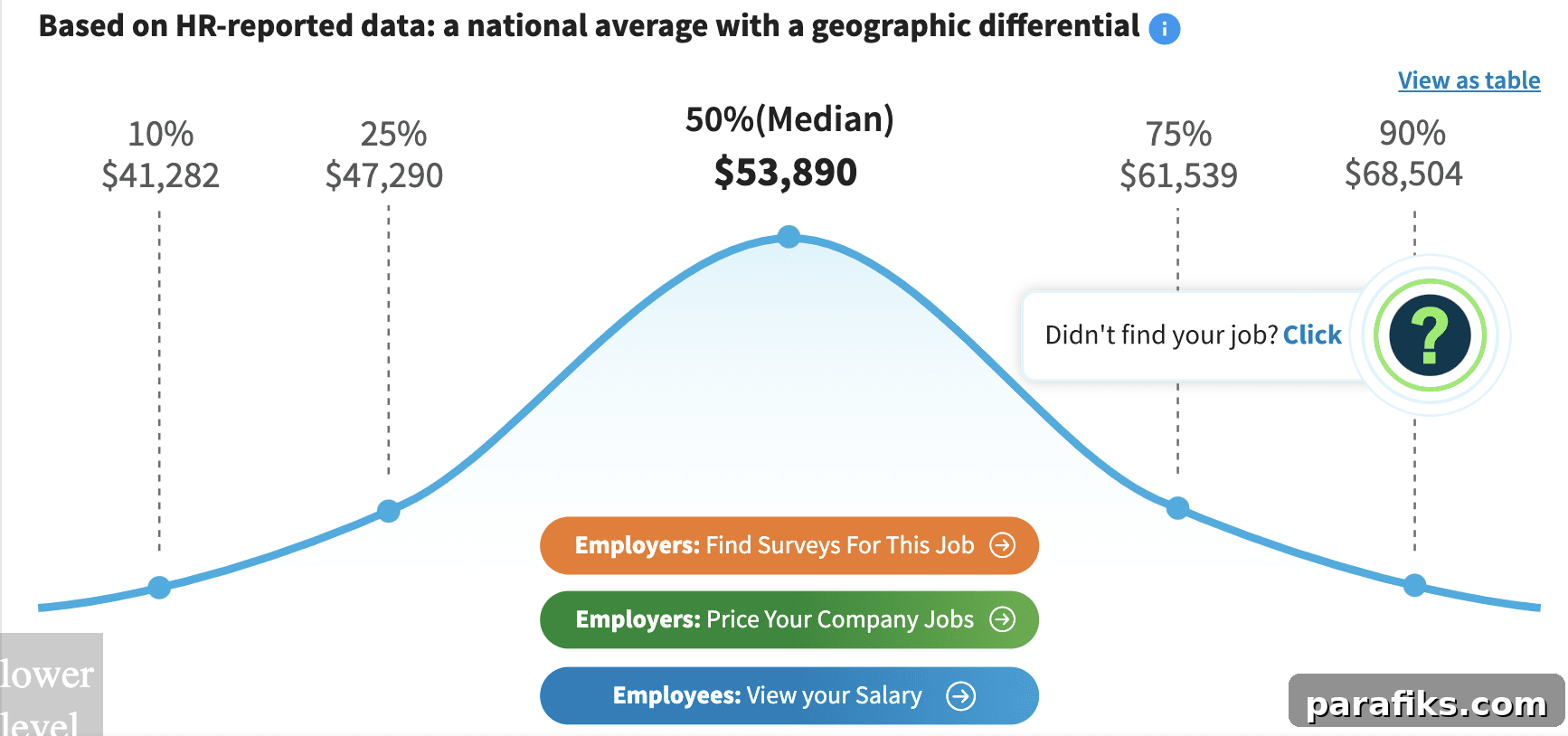
Freelance proofreaders commonly charge $25–$50 per hour, though rates vary by experience, client type, and project complexity. As you gain experience, you can increase your rates and take on higher-paying work.
Some proofreaders work as employees, which can come with consistent pay and benefits, while freelancers manage their own taxes and varying workloads.
What are the pros and cons of proofreading?
Proofreading has clear benefits and trade-offs. Consider these pros and cons before getting started.
Pros:
- Low startup costs: a laptop and internet connection are usually sufficient.
- Work remotely from home or while traveling.
- Flexible schedule—ideal for stay-at-home parents or those seeking control over their hours.
- If you enjoy finding mistakes, the work can be satisfying and relatively straightforward.
- High demand and the potential for good pay.
Cons:
- Deadlines can be strict and are determined by clients.
- As a freelancer, you must handle taxes and self-employment responsibilities.
- It is still work and requires focus and consistency.
Overall, many find the positives outweigh the negatives, especially given the flexibility and earning potential.
What skills does a proofreader need?
Proofreading is a learnable skill, but it requires training and practice. Key abilities include spotting spelling, grammar, punctuation, and formatting errors.
Most proofreading roles don’t require a university degree, though some specialized positions—such as scientific or technical proofreading—may request relevant academic or industry experience.
Can anyone start a proofreading business?
Yes—many proofreading jobs are open to beginners. You’ll need to develop proofreading skills and learn how to run the business side of freelancing.
Running a proofreading business includes:
- Knowing where and how to find clients
- Assembling tools: a reliable computer and internet connection
- Setting competitive proofreading rates
- Understanding self-employment taxes and responsibilities
- Optionally creating a website or portfolio to showcase services and testimonials
Do I need a degree to become a proofreader?
There’s no official proofreading certification or required degree in the United States. You can start without formal education, though certain employers may prefer candidates with subject-specific backgrounds—especially for technical or academic proofreading.
Most companies and freelance clients do not require a degree, so lack of formal education should not stop you from starting.
Who hires proofreaders?
Proofreaders are in demand across a wide range of clients: bloggers, businesses, authors, students, advertisers, podcast producers, and more.
There are also different proofreading specializations—court transcript proofreaders, general proofreaders, academic proofreaders—each with its own requirements and clientele.
- How to Become a Court Transcript Proofreader
- How to Become a General Proofreader and Work From Anywhere
Where can I find proofreading jobs?
There are many platforms, job boards, and marketplaces where clients post proofreading work. Popular options include:
- Fiverr – a place to start with entry-level freelance proofreading gigs.
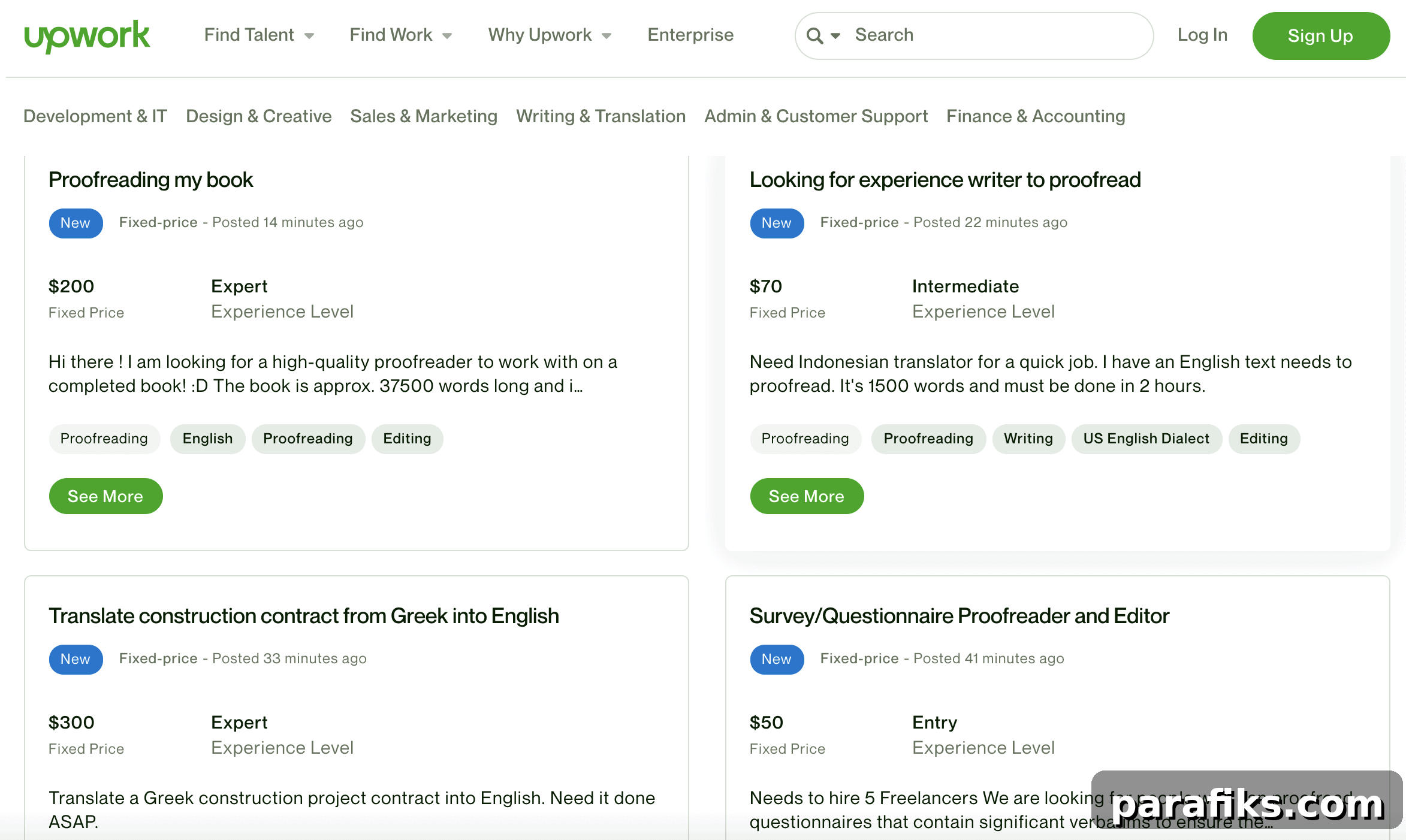
- Upwork – a large freelance marketplace with many proofreading listings.
- Course providers – proofreading courses often include client connections or job boards.
- Direct outreach – contact bloggers and businesses to offer your services.
- Create a personal website to showcase services, samples, and testimonials; share it on social media profiles.
- Craigslist – local gigs and remote postings sometimes include proofreading tasks.
- Scribendi – an editing and proofreading service that regularly hires contractors.
- Proofreading Services – hires part-time and full-time proofreaders with pay ranges listed on their site.
- Facebook groups – many clients and freelancers connect through niche groups and communities.
- Freelancer – another freelance job board with global proofreading opportunities.
- Gramlee – posts editor openings and accepts applications from qualified editors.
- Scribbr – hires proofreaders and editors after a skills assessment and application.
- FlexJobs – lists vetted remote and flexible proofreading jobs.
- Cactus Global, American Journal Experts, Babbletype, Domainite, Edit 911, EditorLive, Polished Paper – various specialist platforms and services that hire proofreaders for different types of documents and industries.
Below is an example image showing proofreading job listings found on Upwork.
What’s the difference between editing and proofreading?
Editing and proofreading are distinct services, though some professionals offer both. Proofreading focuses on final, surface-level corrections—spelling, punctuation, and minor formatting—while editing can involve rewriting, restructuring, and deeper stylistic or substantive changes.
Proofreading is often the final step before publication. If you expand into editing, you’ll broaden your service offerings and potentially increase earnings depending on your skills.
Which proofreading course is best?
If you want structure and faster results, a proofreading course can help. One well-known option is General Proofreading THEORY & PRACTICE, which teaches proofreading techniques and how to build a proofreading business.
That course covers modules on grammar, sentence structure, punctuation, proofreading methods, practice jobs, business setup, client-finding, marketing, and workflow management—designed to prepare you to offer professional proofreading services.
Recommended reading: Proofread Anywhere Review: Is This Proofreading Course Worth It?
How much does the course cost?
A free 76-minute workshop is available to introduce the basics of starting a freelance proofreading business. The full General Proofreading THEORY & PRACTICE course typically starts at a one-time price and includes lifetime access; premium packages often add bonuses such as certificates, marketing help, and additional resources.
What will I learn in General Proofreading THEORY & PRACTICE?
The course includes modules on:
- Intro to General Proofreading
- Grammar refresher
- Sentence structure
- Spelling and word use
- Punctuation principles
- Proofreading methods and practice
- Types of proofreading
- Turning proofreading into a business
- Finding clients
- Marketing basics and workflow management
The course typically includes practice jobs, worksheets, case studies, and bonuses designed to help you build skills and attract clients at your own pace.
Is it worth taking a proofreading course?
Yes—many people find courses helpful because they teach proven methods, give hands-on practice, and offer guidance on finding clients and running the business side of proofreading. A course can accelerate your ability to earn from proofreading compared to learning everything on your own.
How do I become a proofreader?
To become a proofreader:
- Develop your proofreading skills—consider a course like General Proofreading THEORY & PRACTICE or self-study and practice.
- Find clients using job boards, freelance marketplaces, direct outreach, or referrals.
- Set your rates and get paid for your work.
All you need to get started is a computer, an internet connection, and a sharp eye for detail.
Is there a market for proofreaders? Is proofreading a good side hustle?
Yes. Proofreading is a flexible, in-demand side hustle that allows you to be your own boss, set your hours, and work from anywhere. If you enjoy spotting errors and producing clean, polished text, proofreading can be a rewarding and growing gig with solid income potential.
Are you interested in finding online proofreading jobs? What else would you like to know about proofreading?