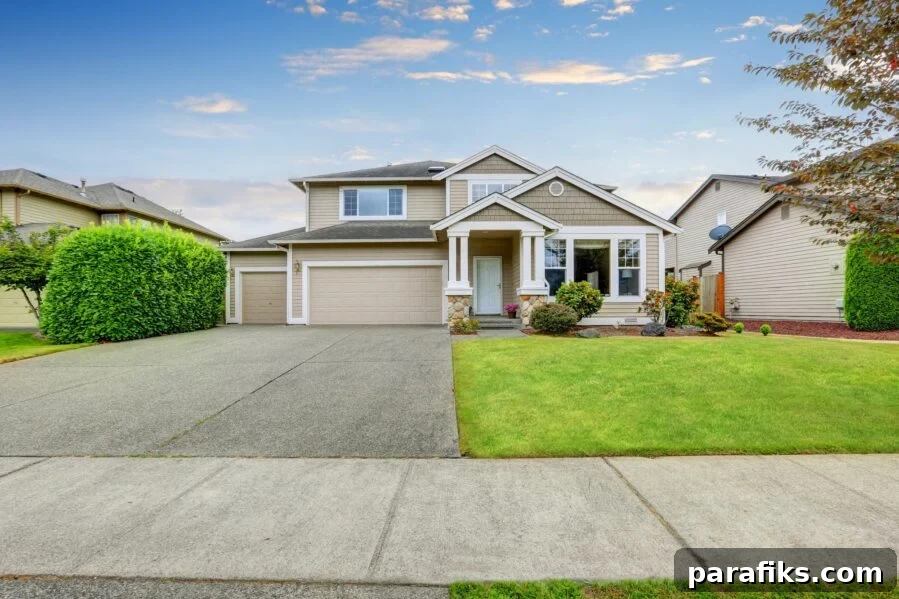
It’s no secret that I’m a homeowner. What might surprise some readers is that I bought my house at the age of 20. Yes — I was twenty years old.
I know that buying a home at such a young age isn’t typical, and what worked for me won’t work for everyone. Many of my friends in St. Louis bought homes around the same time we did, so perhaps it’s a regional trend. At the time we both had steady full-time jobs, making homeownership possible for us.
We moved into our house in October 2009, and I graduated in May 2010. We bought with the expectation of a higher income after graduation, which fortunately materialized. Still, I wouldn’t recommend purchasing a home based solely on an anticipated future pay increase unless you were absolutely sure it would happen.
In 2009 the housing market offered buyer advantages: the $8,000 first-time homebuyer tax credit and relatively low prices for buyers. In our area, buying was even cheaper than renting, which strongly influenced our decision.
Before buying, we were renting a very inexpensive house (around $350 a month), but we needed to move because of a dangerous neighbor who had SWAT team visits and began issuing threats. On top of that, I once found a snake in my bed, which made staying there impossible. Between the unsafe neighbor and the snake, we needed a safer, more stable place to live.
Even though we were young, the market conditions made buying attractive and necessary. If you’re considering buying a home—whether young or older—here are practical tips and things to consider.
Should you buy, or should you rent?
Before you decide to buy, weigh the pros and cons of homeownership versus renting. Not everyone should buy, and not everyone should rent—your lifestyle and plans matter.
Consider these questions:
- Do you want to travel frequently? If you plan to spend long periods away, owning a home with ongoing bills and maintenance may be a poor fit.
- Could your career require relocation? Young people often change jobs or move for better opportunities. If you expect to relocate within a few years, renting may provide more flexibility.
- How strong is your credit history? Many young buyers haven’t built up credit yet. A solid credit score is essential for securing a mortgage with favorable terms.
- Do you have time and money for maintenance? Homeownership brings ongoing maintenance responsibilities and costs—lawn care, repairs, and eventual upgrades are part of owning a house.
What type of home do you want?
Everyone’s ideal home is different. The traditional “American Dream” of a suburban house with a white picket fence isn’t right for everyone. Think carefully about location and property type.
- Where do you want to live? Suburbs, city center, beachfront, or rural? Each location affects cost, commute, and lifestyle.
- What kind of property suits you? A single-family home, condo, townhouse, duplex, farm, or something unconventional like a boat? Consider maintenance, HOA rules, and lifestyle compatibility.
Find a realtor
If you’re buying, work with a realtor. Many buyers mistakenly think they must pay their agent directly. In most U.S. transactions the seller pays the agent commissions, not the buyer.
A good realtor brings negotiation skills, market knowledge, property-finding resources, and experience handling the extensive paperwork involved in a purchase. Their guidance can save time, stress, and money.
Consider the total cost of a home
Many buyers focus on the purchase price but overlook the full ongoing cost of homeownership. Understand all the expenses to avoid surprises.
- Purchase price. The headline number is important, but not the only cost.
- Utility bills. Utilities can vary widely between properties. Ask sellers for past bills or realistic estimates so you can budget accurately.
- Private mortgage insurance (PMI). If you put down less than 20%, you may need to pay PMI until you build sufficient equity.
- Homeowner’s insurance. Insurance premiums vary by location and property type. Costs range widely depending on risk factors.
- Property taxes. Taxes can add a significant monthly amount to your mortgage payment. Research local tax rates before committing.
- Maintenance and repairs. Homes require ongoing upkeep and occasional major repairs. Plan for regular maintenance and an emergency fund for unexpected issues.
Rent out extra space to offset costs
If you’re responsible and plan carefully, renting out a room or unused space can help cover mortgage and utility costs. For younger buyers with extra space, modest rental income can make homeownership more affordable.
We have four bedrooms but use only one. When my sister needed housing, she moved in and has paid around $325 per month since 2012, which has helped our household budget. Renting a room doesn’t always increase bills substantially, but you should estimate possible increases in utilities and wear-and-tear before deciding.
In addition to rooms, people sometimes rent storage space, driveways, or other underused assets to earn extra income from their property.
Is buying a house at a young age a good idea?
Buying a home in your early 20s—or at any “young” age—can be possible, but it requires thoughtful planning. Ask yourself:
- How long will you likely live in the area?
- Can you truly afford the home and all associated costs?
- Do you want the freedom to travel frequently?
- Are you planning to start a family or make lifestyle changes soon?
There’s no one-size-fits-all answer. If you evaluate your goals, finances, and future plans carefully and prepare for ongoing costs and responsibilities, buying young can work. Be smart, informed, and realistic about your decision.
What advice would you give someone searching for a home? Is there anything you wish you’d done differently when shopping for your house?