
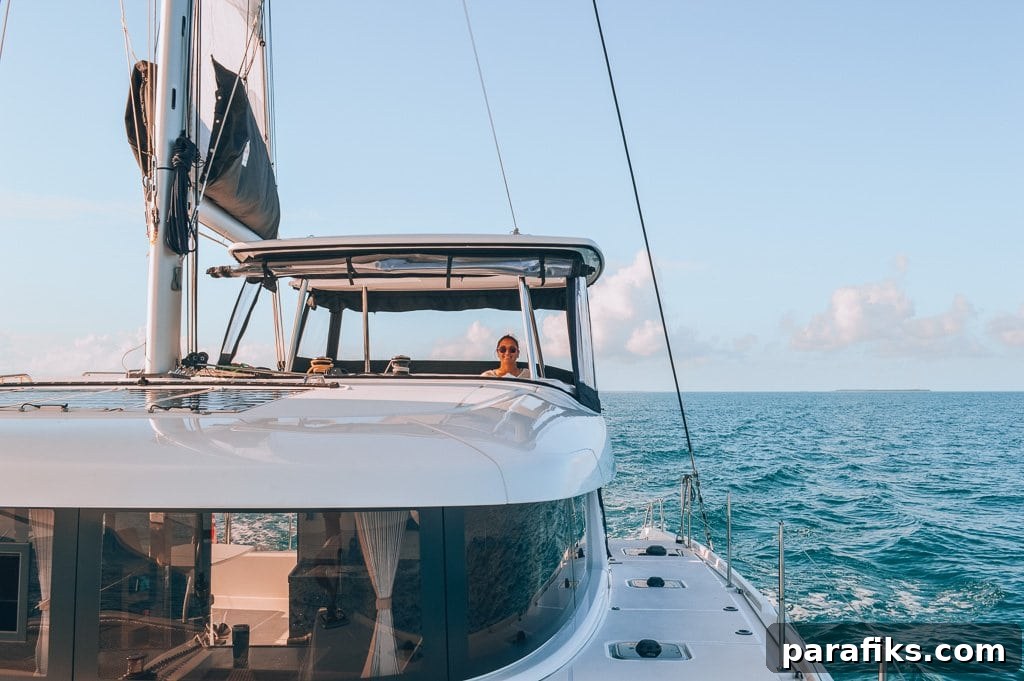
It’s official — we’re now living on a sailboat!
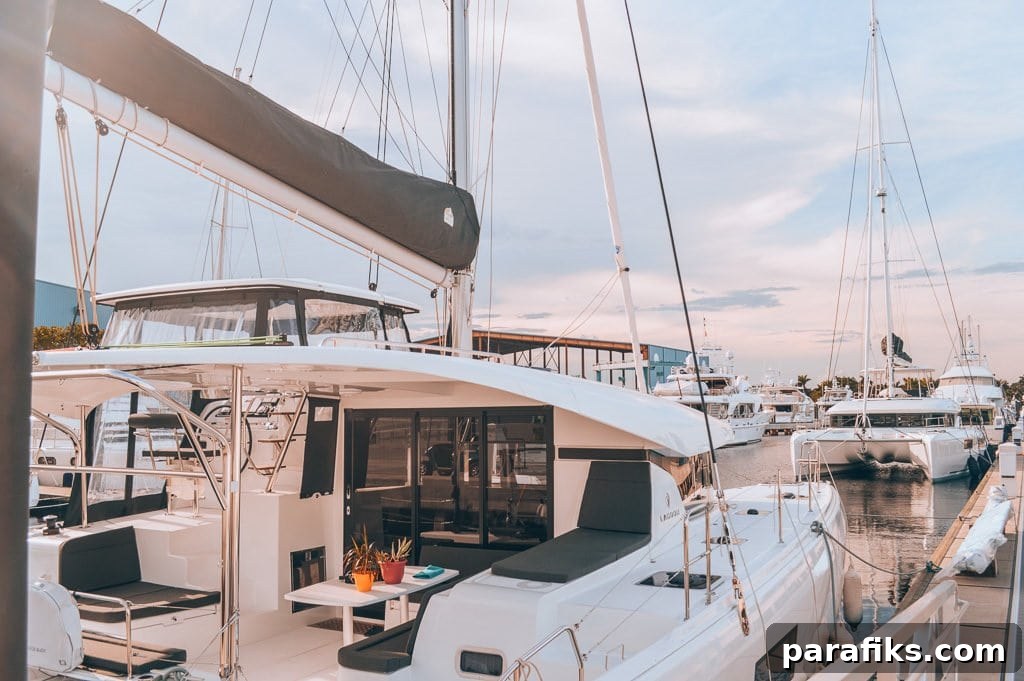
Specifically, we purchased a 2018 Lagoon 42 catamaran and named her Paradise.
We’re very new to this lifestyle, but we’re thrilled to be here.
We’d been dreaming of living on a sailboat long before we began RVing. Earlier this year we made the move from Tucson, Arizona—where we were wintering in our RV—to Fort Lauderdale, Florida, and that’s when our transition really began. We searched online for sailboats on both coasts, but Florida offered the widest range of options.
We hitched up the RV and drove across the country, stopping along the way to see friends and family as a final RV hurrah.
Once in Fort Lauderdale we quickly found a catamaran we loved and submitted an offer. Not long after, the dealership that originally sold us our Tiffin Allegro Bus offered to buy our RV back for nearly what we’d paid, so we sold it back to them and moved into an Airbnb while we waited to close on the boat.
On May 16th we officially became liveaboards!
We bought our Lagoon 42 from The Catamaran Company in Fort Lauderdale. We spent a few weeks outfitting the boat and testing systems before sailing away.
Our first sail after purchase took us from Fort Lauderdale to St. Petersburg, on the other side of Florida, where we are currently docked.
We have a lot to learn, and that’s part of why this is so exciting. We’re beginners, and growing into this new life is a big part of the adventure.
Below I’ve answered common questions readers have asked about living on a sailboat. If you’re considering this lifestyle, or just curious how we’re making it work so far, these answers should help.
- The Digital Nomad Lifestyle – A Day In The Life
- Why I Love Living In A Vehicle
- What Traveling Full-Time For 3 Years Has Taught Me
- Why would you make $100,000+ a month and live in an RV?
- Common Full Time RVing Questions Part 2 – Don’t You Hate Each Other Yet?
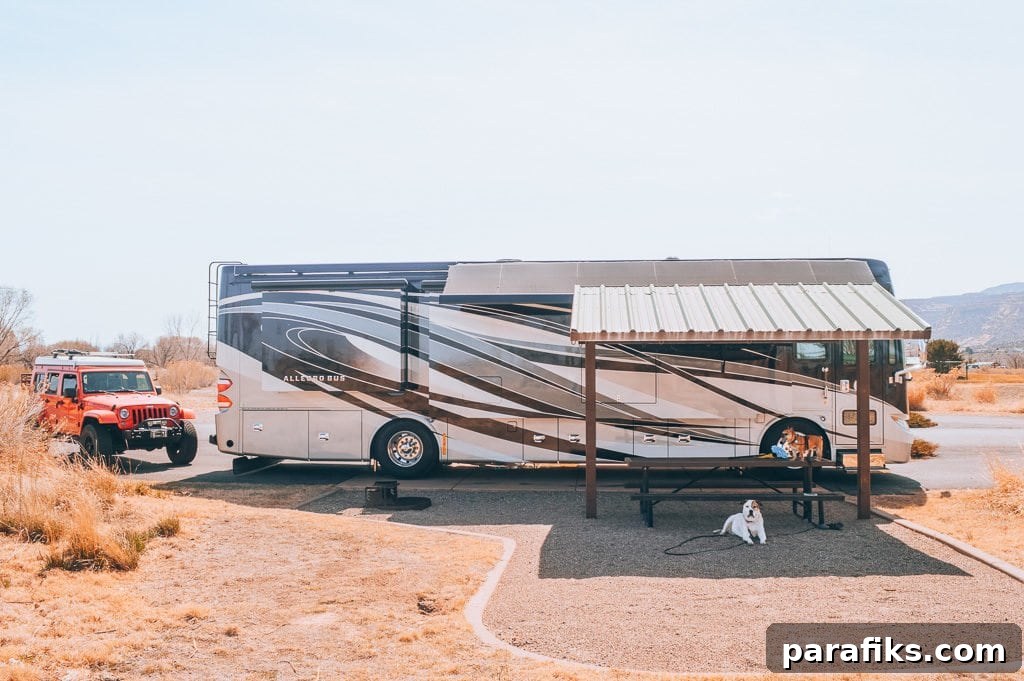
Do you miss RVing?
Yes. We miss RVing a lot. It was very easy and comfortable for us, and we quickly fell into a routine that made life simple. Living on a sailboat is a very different challenge—learning to sail and learning all the systems takes time and effort—so it hasn’t felt as effortless yet. That said, RVing brought us to incredible places, let us park next to great trails, and allowed us to travel comfortably with our dogs. There wasn’t much we disliked about it, and I’m sure we’ll RV again someday. For now, we’re excited for a new chapter.
Side note: be sure to follow me on Instagram for updates!
Are the dogs going to live on the boat?
Yes—our dogs came with us. We didn’t give them away! Since they are older and have not lived on a boat before, we’re taking things slowly. Advice from experienced boat owners was to start at a marina, do day sails, and gradually increase activity, so that’s our approach. They’re getting on and off the boat fine; we lift them when needed and use a sturdy harness for Sailor. We chose a marina with lots of grassy areas so they still get regular walks while we settle in.
Related: Living In A Boat Or RV? What Is Better?
What do you have on your Lagoon 42 sailing catamaran?
Our Lagoon 42 feels a lot like a conventional home. Yes, we can shower and use the bathroom onboard. Living on a sailboat can be very comfortable; this model’s layout is great for life aboard. Our boat includes:
- Showers
- Toilets
- Kitchen
- Two refrigerators
- One freezer
- Three beds
- One TV
- Washer/dryer
- Fresh water system
Wes previously crewed a delivery of a Lagoon 450 from France to Croatia, so we considered that model but chose the 42 as a better fit for us.
Key specs for our Lagoon 42:
- Owner’s version with 3 cabins and 3 heads (bathrooms)
- Fuel capacity: 158 gallons
- Two 57 HP Yanmar engines
- Length: 42 feet
- Draft: 4’1”
- Mast clearance: 67’9”
- Self-tacking jib
- Fresh water capacity: 79 gallons (plus a watermaker)
- Generator
- Air conditioning
Whether docked at a marina or anchored, the Lagoon 42 is a comfortable liveaboard platform. We’re very glad to have found this boat.
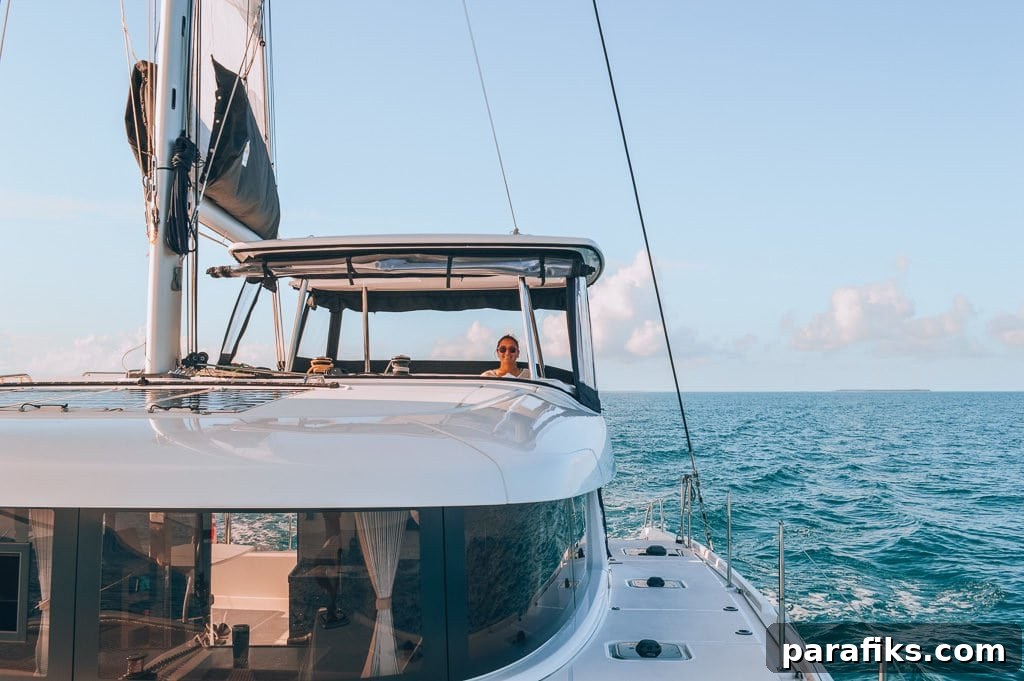
What have you added to your sailing catamaran?
We added several systems before leaving Fort Lauderdale and plan to continue outfitting the boat as we learn what we need. Additions so far include:
- 540 watts of solar power
- Watermaker
- Radar
- Sonar
- Highfield dinghy with a 20 HP Yamaha outboard
All of these installations were completed by MultiTech Marine Services. Henry Saludes and his team were fantastic: they helped create a maintenance checklist, taught us how to use installed systems, and guided us through many new-boat questions. Their attention to detail and support made the transition much smoother.
Planned future upgrades include a better anchor, more solar with an upgraded inverter and larger battery bank, an additional sail, an aft enclosure, rub rails, and sun shades for the windows. The list keeps growing!
What are your sailing plans?
As full-time travelers, we stay flexible—plans change quickly. For now we’re focused on learning the boat, getting the dogs comfortable, completing outfitting, and doing short sails out of our St. Petersburg marina. Our hope is to spend winters in the Bahamas and explore the U.S. East Coast and northeast next summer, but this may evolve as we gain experience.
We’re taking things slowly: in June and early July we worked with instructors on sailing, docking, and safety. If you’re searching for delivery help or instruction, Captain Jeff Lewis was excellent—he helped move our boat from Fort Lauderdale to St. Pete and taught docking techniques and much more.
How much does living on a sailboat cost?
Boats are expensive. There’s a joking acronym for BOAT—“Bust Out Another Thousand”—but the reality is that maintenance, marina fees, equipment upgrades, fuel, and instruction add up quickly. I’ll share more detailed cost breakdowns after we’ve spent more time cruising, but our current expenses include the boat purchase, marina slip, upgrades and additions, fuel, and lessons. For further perspective, I recently did an interview discussing sailing costs and lifestyle transitions.
Why haven’t you sailed to ______ yet?
Many readers wonder why we’re not halfway around the world already. Preparing a boat and crew for true cruising takes time—some people spend years equipping and learning before departing. We’re not in a rush; we prefer to prepare thoroughly and move forward with confidence.
Will you ever touch land again since you live on a boat?
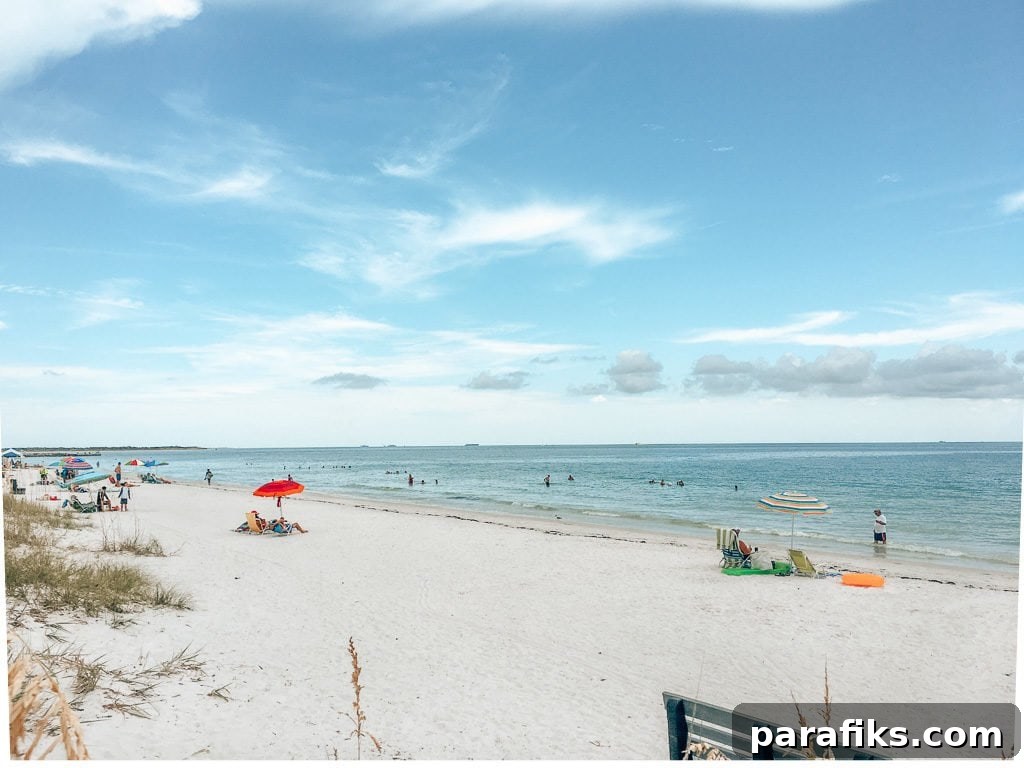
Absolutely. Living on a boat is similar to living in an RV: you move between destinations, and you spend time ashore at marinas, anchorages, and on land exploring local areas. We will sail and motor between places but will continue to explore cities, beaches, and communities ashore.
What are you going to do for internet?
We currently use AT&T for phones and internet and have been satisfied overall. Connectivity can be inconsistent, so I try to work ahead to avoid stress when bandwidth is limited. When we leave the U.S. we’ll explore other internet solutions, but there are always options for staying connected offshore.
What are you doing for health insurance since you’ll be living on a sailboat?
Finding traditional health insurance that fits full-time travelers is difficult. Many plans restrict out-of-state coverage or include clauses that make claims risky if you don’t primarily live in your stated home state. The only traditional plan available to us locally carried a $39,000 deductible for out-of-state care, which wasn’t practical.
For these reasons we joined Liberty HealthShare in January 2016. Our monthly cost is $249 each, and after a $1,000 per-couple annual unshared amount (similar to a deductible), eligible medical bills are shared up to $1,000,000 per incident. Health sharing ministries differ from conventional insurance: they’re not obligated to pay claims, monthly payments are not tax-deductible as insurance premiums, you cannot use an HSA, and pre-existing conditions typically have waiting periods. They also require members to follow certain ethical guidelines.
What are you doing with the Jeep now that you live on a boat?
We sold the RV but kept our Jeep. We invested in converting it into an overland vehicle and are attached to it, plus it’s perfect for exploring by car and for camping. For now it’s stored at Wes’s parents’ house and they’re helping by driving it as needed.
How do you receive mail?
We use a mail forwarding service. All our mail is sent to a forwarding address and then forwarded to wherever we are. We’re currently transitioning between mail forwarding providers to find the best fit for our needs.
Who are your favorite sailing blogs and channels?
I became hooked on sailing YouTube channels and blogs while preparing for this lifestyle. If you’re thinking of buying a boat, watching these channels can be incredibly helpful. Some favorites include Gone With The Wynns, Out Chasing Stars, SV Delos, Sailing La Vagabonde, Sailing Totem, Windtraveler, The Boat Galley, Two Monkeys Travel, Where The Coconuts Grow, and Sailing Uma. There are many others worth exploring as well.
What other questions do you have about living on a sailboat?