

I started making extra money and side hustling about 15 years ago, and in that time I’ve tried more than 20 different side hustles.
I began because I wanted to stop living paycheck to paycheck and pay off student loans quickly — I managed to pay off $40,000 in student loans in just seven months thanks to side hustling.
Some side hustles were short-lived, while others became steady sources of income and even grew into my full-time work. Each one taught me something about how to value time, manage effort, and grow earnings. Over the years I’ve tried reselling clothing online, working as a virtual assistant, mystery shopping, taking online surveys, renting spare rooms, and many more.
There’s no single “best” way to make extra money — the right option depends on your skills, interests, available time, and goals.
If you’re considering starting a side hustle, my firsthand experiences can help. Below I share what I learned from each side job I tried, including pros and cons so you can decide which ideas might fit you best.
My Side Hustles Review
Here are reviews of the different side hustles I’ve tried over the years. They are presented in no particular order.

1. Blogging
Blogging can be a powerful way to earn money while writing about things you care about. I started as a hobbyist and over time turned blogging into my full-time business. What I love about blogging:
- Flexibility — work from anywhere, at times that suit you.
- Low startup cost — a computer and internet connection are enough to begin.
- Creative outlet — share ideas, teach, and connect with readers.
Challenges include the time investment required and the uncertainty of income, especially early on. My first $100 took six months to earn, and I put in long hours before seeing significant returns. Despite that, blogging eventually became my favorite side hustle and now supports my full-time income — over the years it has generated millions.
Blogging pairs well with a full-time job because you can work before or after your main job, during lunch, or on weekends. You set your own schedule, which is a major advantage.
2. Paid online surveys
Paid surveys are a straightforward way to earn a little extra cash in your spare time. Companies pay for consumer opinions to improve products and services, and most surveys pay between $0.50 and $5 depending on length and complexity. A typical survey takes between 10 minutes and an hour, so this is not a high-paying option but it’s flexible and easy to fit around your schedule.
My tips for getting the most out of surveys:
- Sign up for multiple sites to increase opportunities.
- Complete your profile so sites can match you with relevant surveys.
- Be honest — truthful answers keep you eligible for more studies.
Survey payouts are often via PayPal, bank transfer, or gift cards. Surveys won’t replace a full-time income, but they provide flexible side cash without a strict schedule.
3. Focus groups and paid research studies
Focus groups and research studies usually pay more than typical online surveys. Companies use platforms that connect them with participants for product testing, website feedback, or feature reviews. Rates can range from $50 to $100 per hour or more. I once earned $400 for a one-hour user interview done over video — it was straightforward and well paid.
Medical research can also pay well; for example, some studies compensate around $1,000 for a week of participation, though availability and eligibility vary.
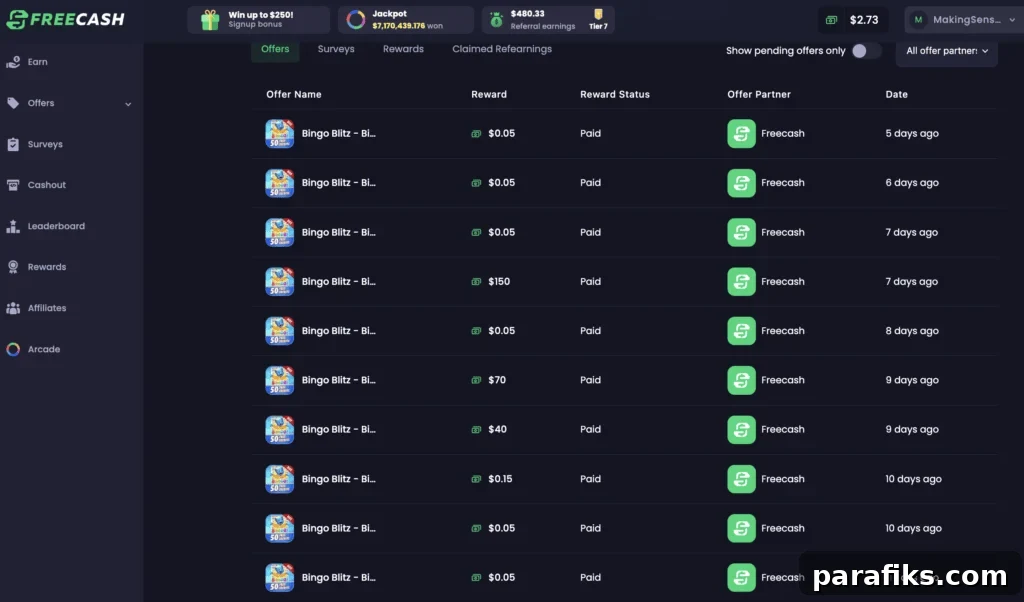
4. Rewards sites (GPT sites)
Rewards or GPT (Get-Paid-To) sites pay users to complete simple online tasks like playing games, taking surveys, watching videos, reading emails, or trying apps. Payouts are usually small but can add up over time. Using several reputable platforms can help maximize earnings while keeping the work casual and flexible.
Rewards sites generally won’t replace a full-time income, but they’re a convenient way to earn extra spending money during downtime.
5. Buy and sell flipping
Flipping items—buying low and selling higher—can be profitable and fun. It’s flexible and can yield monthly profits ranging from modest amounts to substantial figures depending on scale and product knowledge. Downsides include time spent researching products, sourcing inventory, listing and shipping items, and market competition that can squeeze margins.
6. Selling clothing
Reselling used clothing is a low-barrier, eco-friendly side hustle. You can source items from thrift stores, clearance racks, garage sales, or your own closet. Platforms include online marketplaces and local resale shops. Selling clothes requires time for cleaning, photographing, and listing, and shipping costs can reduce profits, but demand for secondhand apparel is strong, especially for trending or vintage pieces.
7. Social media management
Social media management suits people who enjoy creating content and engaging audiences. Managers plan posts, respond to comments, and grow accounts for businesses. Benefits include flexible hours and creative work; disadvantages include time intensity, continual learning to keep up with trends, and sometimes demanding clients. If you like digital marketing, this can be rewarding.
8. Virtual assistant
Virtual assisting is one of my favorite side hustles because it’s flexible and practical. VAs perform tasks such as email management, scheduling, proofreading, or research. It requires minimal startup costs and lets you work remotely on your own schedule. This role offers variety and steady demand from entrepreneurs and small businesses.
9. Freelance writer
Freelance writing is flexible and ideal if you enjoy writing on different topics. Income can fluctuate and building a steady client base takes effort, but once established it can be a dependable side income. Writing gigs allow you to work from home and choose projects that interest you.
10. Receipt scanning apps
Receipt-scanning apps pay points or cash for uploading purchase receipts. They’re effortless to use and let you earn rewards on purchases you already make. Payouts are generally small, but stacking apps on the same receipt can increase returns. Cons: rewards build slowly and remembering to scan receipts is necessary to keep earnings steady.
11. Mystery shopping
Mystery shopping pays you to evaluate customer experiences at stores, restaurants, or over the phone. Pay per task varies, and you often receive reimbursement for purchases or free goods. This side hustle provided me with extra cash and occasional free items; however, you must avoid scam offers and sign up with reputable companies.
12. Babysitting
Babysitting is a flexible, often well-paid side gig, especially for weekend or evening work. Pay rates vary by location and responsibilities. It can be tiring at times, but it’s a dependable option if you enjoy caring for children.
13. Coaching
If you have expertise in a particular subject, coaching can be a meaningful and lucrative side hustle. I offered blog coaching in the past and enjoyed helping others grow their blogs. Coaching is scalable, and if you’re skilled at teaching or mentoring, it can be a great fit.
14. Course creator
Creating an online course can become a major income stream. My first course performed well and helped many students increase their income. Courses require hard work to produce quality content, but they can offer scalable, passive revenue and strong long-term value for your audience.
15. Affiliate marketing
Affiliate marketing involves promoting products and earning commissions on sales generated through your referral links. It has low startup costs, flexible hours, and potential for passive income once content is in place. Patience and consistency are key.

16. Rent out a room in your home
Renting a spare room can provide steady income if you have extra space. It helps cover mortgage or living costs, but requires compromise when sharing common areas and vetting roommates carefully to ensure a good fit.
17. Shop at cash back websites
Cash back sites give a percentage of purchases back as rewards. They’re easy to use and effectively save money on planned purchases. Use reputable platforms and browser extensions to earn rewards on everyday spending.
18. Dividends
While not a side hustle in the traditional sense, dividend investing is a favorite passive income strategy. Dividends provide regular payouts from companies you invest in. This approach requires capital and long-term planning, but it can deliver ongoing, low-effort income.
19. Brand ambassador
Brand ambassador roles involve representing companies at events or online. Pay varies, and perks can include free products. This role is good for people who enjoy public-facing promotions and flexible, part-time commitments.
20. Newspaper delivery
Delivering newspapers is an old-school side job that fits early risers. Benefits include exercise and predictable scheduling, but it requires waking up very early and carrying heavy bundles.
21. Help others with their resume
Resume help is a useful, flexible side hustle. If you have a knack for editing and presenting experience effectively, this service can be rewarding and in demand. It’s something you can do from home and scale as needed.
22. Enter contests and giveaways
Entering contests and giveaways is a low-effort, potentially high-reward hobby. Wins are rare but can be substantial when they happen. Treat this as a fun pastime rather than a reliable income source.
23. Earn credit card rewards
Used wisely, rewards credit cards can save money on travel, provide cash back, and offer other perks. The crucial rule is to pay off your balance each month to avoid interest charges that negate the benefits.
24. Test websites (User Testing)
User testing pays you to visit websites or apps and share feedback. It requires a computer and reliable internet, and sometimes a microphone. Testing is flexible, enjoyable if you like trying new interfaces, and pays reasonably for short sessions.
25. College textbook resale
Reselling college textbooks is a seasonal but potentially profitable side hustle. Demand peaks at the start of semesters and declines afterward. Avoid selling to the campus bookstore for the lowest offers; instead, shop around to get better resale prices.
Frequently Asked Questions
Below are answers to common questions about choosing and starting a side hustle.
What are the top side hustles that can bring in good money?
Side hustles with higher income potential include freelancing, blogging, flipping items for resale, creating online courses, and renting out rooms. These often require more time or initial effort but can scale better than micro tasks.
How can I find side hustles that pay weekly?
Weekly pay options include gig economy work like rideshare or delivery services, local part-time jobs that offer weekly pay, and some freelancing platforms that allow quicker payouts depending on agreements with clients.
Can you suggest some side hustle ideas I can do from my house?
At-home side hustles include freelance writing, graphic design, social media management, virtual assistance, tutoring, online course creation, and selling digital or physical products from home.
What side jobs are out there for someone with no experience?
Beginners can try pet sitting, dog walking, babysitting, delivery driving, taking surveys, or user testing. These roles typically have low barriers to entry and are a good way to start earning while you build skills.
My Favorite Side Hustles – Summary
When choosing a side hustle, consider your available time and how much you want to earn. Some gigs require a significant time investment for little pay, while others can be more lucrative for the hours invested. Track your hours and earnings to evaluate whether a side hustle is worth it for you.
Also choose something that matches your skills and lifestyle. When your side hustle aligns with what you’re good at and enjoy, it’s easier to stick with it and succeed.
What’s your favorite side hustle?
Recommended reading:
- 24 Second Job Ideas To Make Extra Money
- 19 Best Places To Find Paid Research Studies