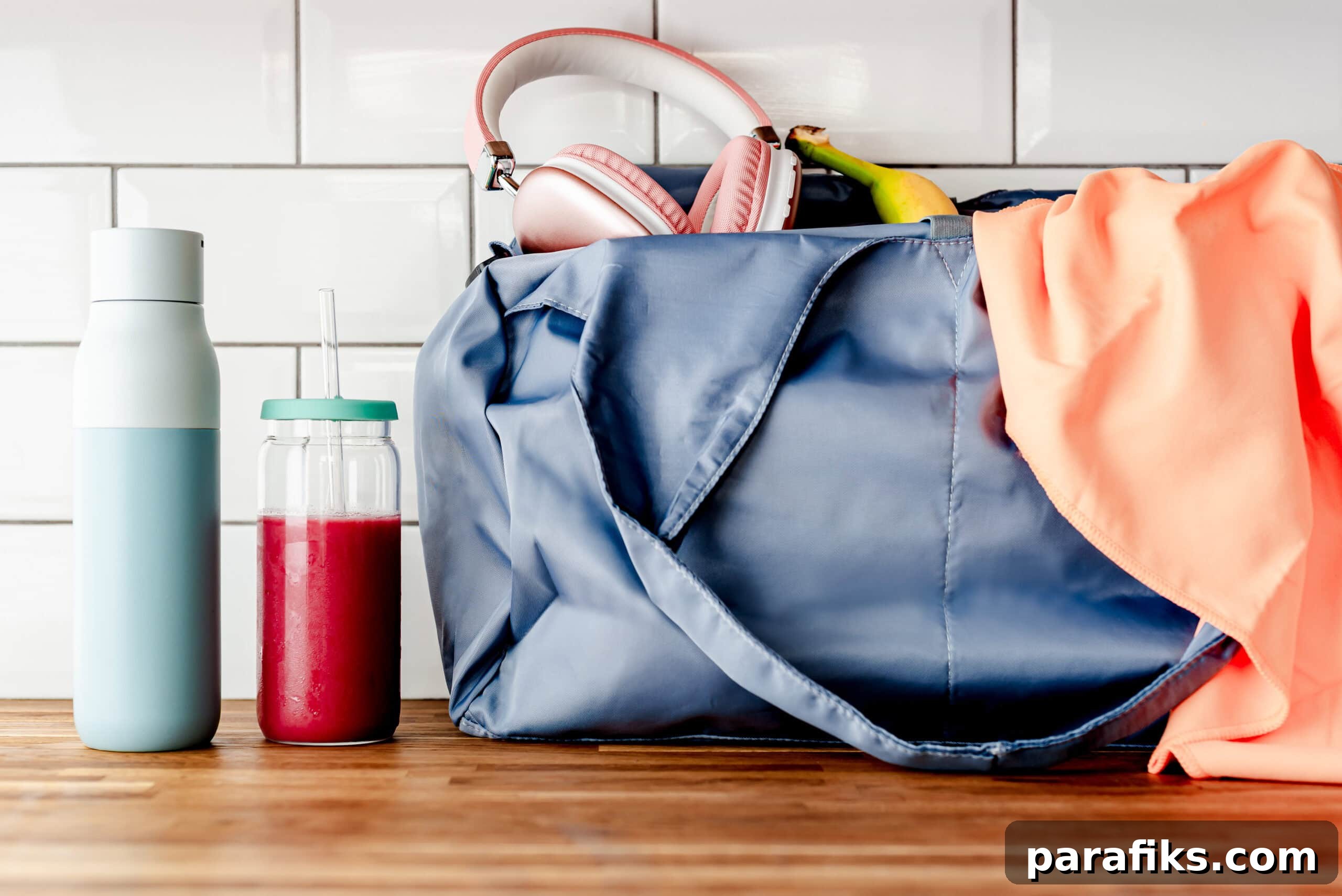
You don’t need to belong to a gym to learn how to be healthy, and you don’t have to spend a lot of money to lead a healthier life.
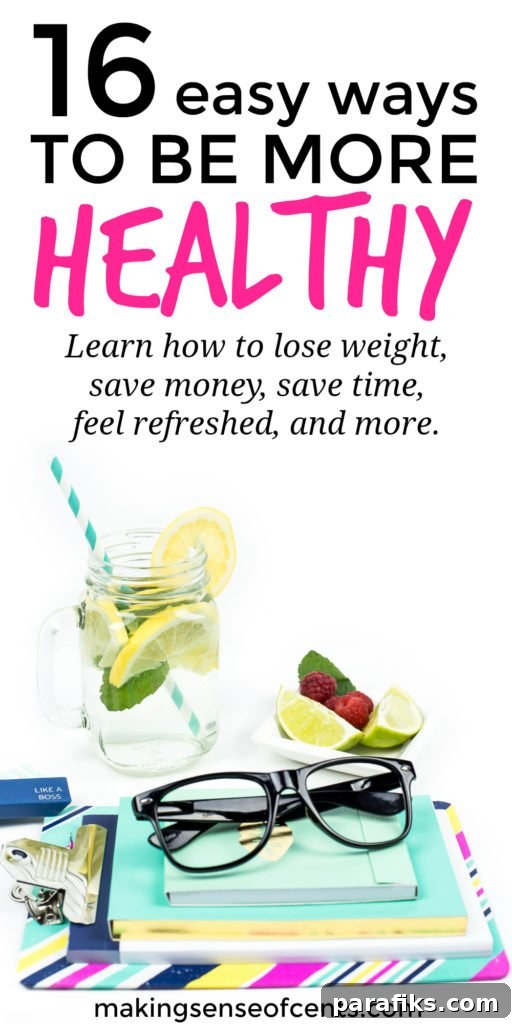 There’s a persistent myth that only people who go to a gym or have a huge home workout space can be healthy. Some even assume that living in an RV makes it impossible to stay fit. That’s simply not true — the outdoors and everyday opportunities keep us active.
While many people associate health with gyms, the reality is that healthy living is more about changing your mindset and adjusting daily habits than following temporary diets or expensive routines. According to one source, 58 million Americans use a gym annually, yet widespread gym membership doesn’t automatically translate to a healthier population.
I’ve never been a fan of crash diets or forcing myself into temporary habits. Instead, I focus on sustainable lifestyle changes that last, especially useful if your schedule is busy. Another misconception is that healthy living must be expensive. Outside of initial gear like shoes or a bike, we spend virtually nothing to stay active and healthy — and we do it while living in a small RV.
I’m not a medical professional and I don’t claim to have a perfect body, but improving my daily habits has made a noticeable difference. I feel more refreshed, maintain better stamina, and have more motivation. Small, consistent improvements add up to meaningful results.
Note: I am not a doctor or health professional. The following reflects my personal experience and what’s working for me.
After adopting these habits, I’ve been feeling generally better — more energy, clearer focus, and a greater ability to stay active. If you’re trying to learn how to be healthy, you may find some of these approaches helpful, whether you’re starting out or looking to refine an existing routine.
Related topics you might find useful:
- 45+ Ways To Live An Amazing Life
- 18 Ways To Simplify Your Life
- Be More Confident And Get What You Want In Life
Practical tips for how to be healthy
Quick, manageable habits add up
Life gets busy, and it’s easy to tell yourself you don’t have time for healthy habits. The good news: you don’t need large chunks of time. Small changes you do consistently will improve your health and can fit into even the busiest days.
Simple ways to weave healthy habits into a tight schedule:
- Meal prep for the week so healthy meals are ready when time is short.
- Fit short bursts of exercise into idle moments — e.g., do jumping jacks or crunches while waiting on a call or cooking.
- Combine TV time with movement, like stretching or light cardio.
- Turn simple daily motions into mini-exercises, for example lunge while walking indoors or take the stairs instead of elevators.
- Park further away to add walking into errands, and add short sprints outside occasionally to boost cardiovascular fitness.
- Make it easier to start exercising: sleep in workout clothes so you can get moving first thing.
I make activity fun
I don’t enjoy conventional gym sessions, so I choose activities I like: hikes, bike rides, runs, and exploring outdoors. These combine adventure with exercise and often last for hours without feeling like a chore. Living on the road or near trails makes it simple and free to be active in beautiful places.
Whenever I feel stressed or low-energy, squeezing even a small workout into my day helps. Regular exercise improves confidence, mental clarity, stress management, and overall health. If exercising feels difficult, focus on making it enjoyable rather than a punishment.
Using a tracker helped me change
A fitness tracker revealed how little I actually moved some days and showed me when my heart rate wasn’t high enough. Seeing data motivated me to increase daily steps and add more consistent movement. Now I usually exceed 10,000 steps daily and use personal goals to stay accountable.
Some of my daily tracker goals:
- Reach 10,000 steps each day.
- Walk at least 250 steps every hour.
- Accumulate roughly 5 miles daily.
- Hit a peak heart-rate zone at least once a day.
Hydration — I actually enjoy water
Drinking enough water is essential. It supports performance, mood, skin health, weight control, and helps prevent headaches. The general recommendation is often around 9–13 cups daily for an average person, with more needed during exercise or hot weather.
Tips to drink more water:
- Add natural flavor: lemon, cucumber, or fruit make water more appealing.
- Add ice to make it more refreshing.
- Track water intake with an app or device to stay accountable.
- Fill reusable bottles with your daily target so you can monitor how much remains to drink.
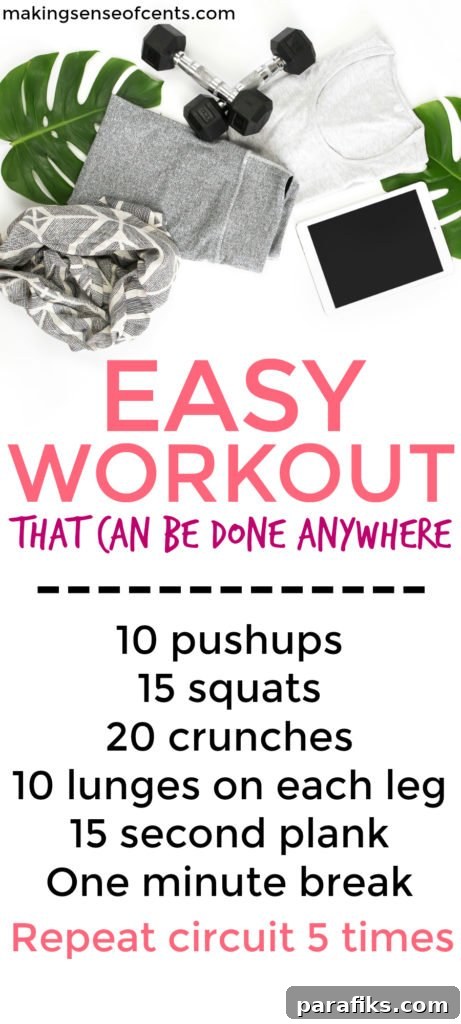
A short, equipment-free workout
I use a simple circuit I can do anywhere — inside an RV, at home, or in a hotel room. The routine takes only a few minutes and removes the excuse of “no time”:
- 10 push-ups
- 15 squats
- 20 crunches
- 10 lunges per leg
- 15-second plank
I repeat the circuit several times. Even one round improves strength and mobility; repeating it adds endurance. The key is consistency and eliminating excuses by choosing a routine that fits into any space.
Limit TV and reclaim time
Television can consume hours each week — on average many people watch around 35 hours. Reducing passive TV time frees up hours for healthier activities: cooking nutritious meals, exercising, reading, or socializing. We canceled TV subscriptions and use that time for more productive and restorative pursuits.
Meal planning keeps eating on track
Meal planning removes last-minute decisions that lead to unhealthy takeout or junk food. Plan meals for the week, shop with a list, and you’ll be less likely to grab whatever is convenient and less nutritious. A little weekly planning goes a long way toward healthier eating.
Prioritize sleep
Quality sleep is a cornerstone of health. Aim for 7–8 hours most nights. Tracking sleep can reveal patterns — frequent awakenings, inconsistent bedtimes, and insufficient duration — that you can improve. Chronic sleep shortfall can impair cognition, memory, mood, immunity, and even increase risks for conditions like type 2 diabetes, weight gain, and heart disease.
Cut back on sweets and make healthier food choices
Sweets and junk foods are tempting — I still crave donuts and candy — but moderating them makes a big difference. When I do indulge, I often follow it with extra activity, which makes me think more critically about whether the treat is worth the effort afterward. Moderation, mindful eating, and planning healthier meals help reduce impulsive snacking.
These are practical, low-cost approaches that helped me learn how to be healthier. What steps have worked for you? Share tips and strategies that help you stay active, eat well, and rest enough — small, sustainable changes are what produce lasting results.