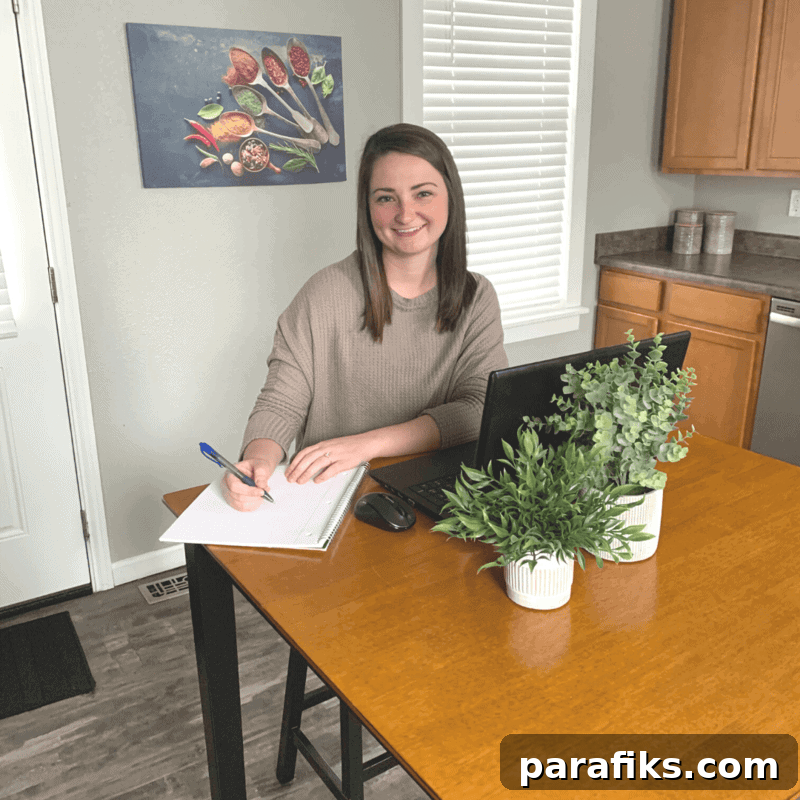
Hello! Today I have a guest article from a reader, Katelyn of Hey You Finance. She bought her first rental property at 19 and paid it off by 23. Enjoy!
I bought my first investment property when I was 19 years old.
Less than a year after finishing high school, I became a landlord. Even better, I paid off that first rental property in just over 3.5 years.
How did I do it? Let’s back up a little.
Allow me to introduce myself: I’m Katelyn.
I’m an ordinary middle-class person from Southern Indiana. I grew up with supportive parents and two younger siblings. In high school I wasn’t sure what career I wanted, which I think is common for many people.
During my senior year I took a general accounting class and discovered I loved finance. I’d always liked numbers, but finance showed me how numbers apply to real life and real decisions.
I started working for a Certified Public Accountant (CPA) in November of my senior year after a friend recommended me for the position. That hands-on experience proved invaluable. I learned financial topics that school didn’t teach, and when graduation came I didn’t feel called to attend a four-year college right away.
Instead, I began working for the CPA full time. I also enrolled in night and online classes at a local community college to earn an Associate Degree in Accounting. This route was affordable since I was paying for my own schooling, and my employer reimbursed about $6,000 in tuition as part of compensation.
Even while taking classes, I learned far more by working in the accounting field. My responsibilities included processing weekly payroll and quarterly payroll returns, bookkeeping, and filing individual and partnership tax returns. These tasks gave me insight into my own finances. I learned to read pay stubs, track where money went, and understand how income flowed to my tax return. Personal finance applies to everyone, and I genuinely enjoy it.
About a year after high school I’d saved a fair amount. Living at home with low expenses made it easy—I only paid for gas and occasional personal items. I lived well below my means. My parents always encouraged diversifying income, and I decided it was time to put my savings to work.
I was ready to invest.
My parents had a long history of investing in rental real estate. Growing up around that taught me organically how rentals work. They took us to property showings and trusted us to help with yard maintenance. That exposure taught me how to interact with tenants and handle property issues.
The best thing about rental real estate is that rental income can become passive income. Passive income is money earned with minimum ongoing effort, as opposed to active income where you trade time for money. Rentals require tasks—repairs, lawn maintenance, financial management, and tenant screening—and you can hire these out, but management costs reduce profits. Once those tasks are handled, rental income can provide consistent monthly cash flow.
I wanted passive income because I only had so many hours in the day to trade for money.
I bought my first rental property.
My parents learned a property was coming up for sale and asked if I was interested. I had been saving aggressively without a specific target, and this opportunity made sense.
The sellers listed a side-by-side duplex around $148,000–$149,000. We negotiated to a purchase price of $141,000. With my savings I put down $21,000—about 15%—leaving a 20-year loan of $120,000 at 4.25% interest. The monthly payment was $746.87.
At first I made only the minimum loan payments until my dad suggested making extra principal payments. I remembered amortization schedules from my CPA work, so I downloaded one and ran numbers to see how extra principal payments would shorten my loan and reduce interest paid. I became obsessed with the math.
I wanted to pay off my first rental property as soon as possible.
Both sides of the duplex already had long-term tenants—over 20 years—which is rare and very helpful. My gross monthly rental income was $1,100, which more than covered the mortgage. After property taxes, insurance, and utilities that I was responsible for, cash flow was roughly breakeven. I didn’t mind because the tenants were essentially covering my mortgage while I built equity.
Because rental income covered the core property expenses, I could apply nearly all my additional earnings toward the mortgage principal. I made it my mission to pay off the loan.
As I finished my Associate Degree, I had more free evenings and took on side hustles to accelerate debt payoff. I started waitressing on Friday and Saturday nights. As a server, tips largely determine pay, so working busy nights boosted my earnings and motivated me to work harder. My take-home per hour waiting tables often exceeded my accountant hourly wage.
Another side income came from tutoring math. A neighbor contacted my sister looking for a tutor, but my sister passed the job to me. My roster grew from one student to three, and I tutored Monday through Thursday evenings. Between full-time accounting, waitressing, and tutoring, I earned and funneled extra money toward the mortgage. Any spare checking account cash went to the loan; I intentionally depleted cash knowing my income streams and low living costs would replenish it.
After 44 months, I paid off my first rental property.
I tracked progress with my amortization schedule to see how extra payments shortened the term and reduced interest. I was fortunate to have reliable renters, no major repairs, and supportive parents who encouraged investing while I lived at home. Those advantages, combined with aggressive repayment, gave me a long-term financial benefit.
I had hoped to finish before turning 23 but missed it by two months for a good reason: I used some extra savings to put a down payment on my personal residence. Even so, paying off the rental freed up $746.87 in monthly cash flow. Property expenses—insurance, taxes, utilities—still exist, but the mortgage payment was gone. That freed-up cash could now be reallocated or reinvested.
Paying the mortgage early also demonstrated to lenders my ability to make timely payments and manage debt responsibly. The property’s equity became collateral, and eight months later I used that collateral to buy a second rental with no down payment.
So, what am I doing today?
Approaching my 26th birthday, I recently married a partner who shares my financial mindset. We just purchased our third rental property and aim to have a substantial real estate portfolio paid off. Everything began with that first rental bought when I was a teenager. Paying off the loan increased cash flow and allowed us to snowball debt repayment on additional properties.
Supplemental income from side hustles and rentals gives us financial security by reducing reliance on a single income source. My long-term goal is to replace my full-time job income with income from our investments and businesses.
The takeaway: you can choose your financial path. The old model—four-year college, one long career, retire at 65—is not the only route. Opportunities abound, and with information at our fingertips, you can find ways to earn extra income, grow investments, or accelerate debt repayment. Personal finance is personal; set goals and pursue them. You don’t need inherited wealth to build wealth, but you do need persistence, disciplined saving, aggressive investing, and careful planning.
This story of paying off my first rental at 23 is meant to inspire. What will your next financial step be?
Author bio: Hey, I’m Katelyn! A numbers nerd turned personal finance blogger. I enjoy detailed budgeting, balancing a checkbook, and investing in real estate. At Hey You Finance we help you maximize your financial potential by encouraging diversified income, budgeting, investing, and smart debt management. Financial success starts with knowing where your money comes from and where it goes.
What’s the next step on your financial path?